By Chaden Moataz | Projects Manager
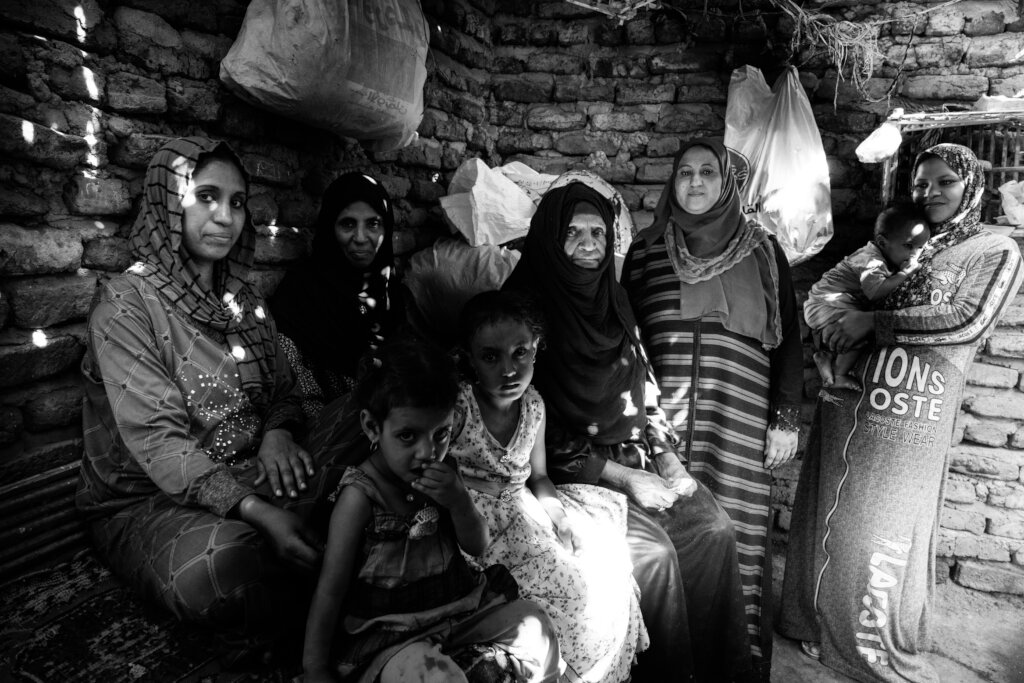
In many marginalized communities across Egypt, accessing healthcare is not only about distance to a clinic—it is about information, confidence, and the ability to navigate complex systems. For many women, especially those with limited mobility or financial resources, the lack of digital access has become a silent barrier to their right to health.
Over the past months, Shamseya has expanded its advocacy work to focus on digital inclusion as a powerful tool for empowering women. Building on our project supported by GIZ—which strengthened gender-responsive healthcare services—we recognized that improving services alone is not enough. Women must also have the tools and knowledge to access those services safely and confidently.
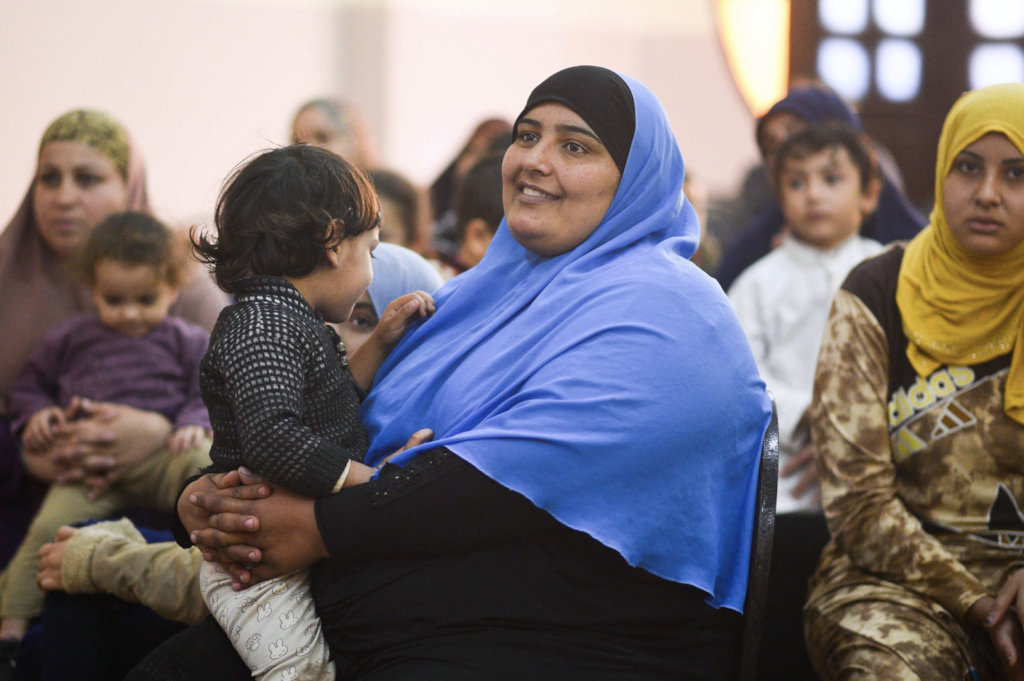
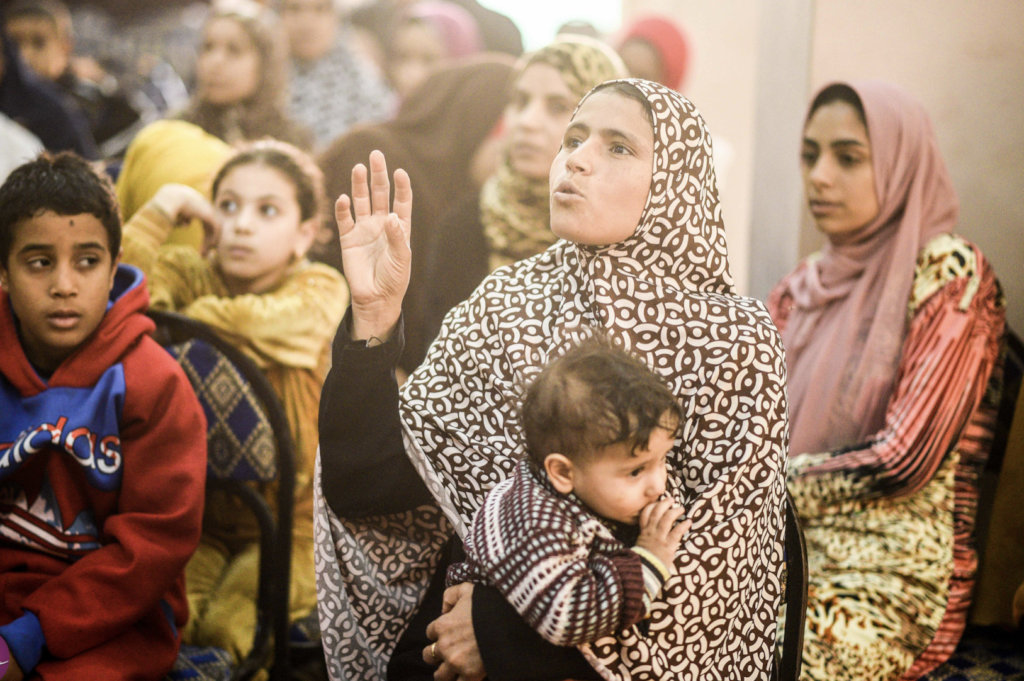
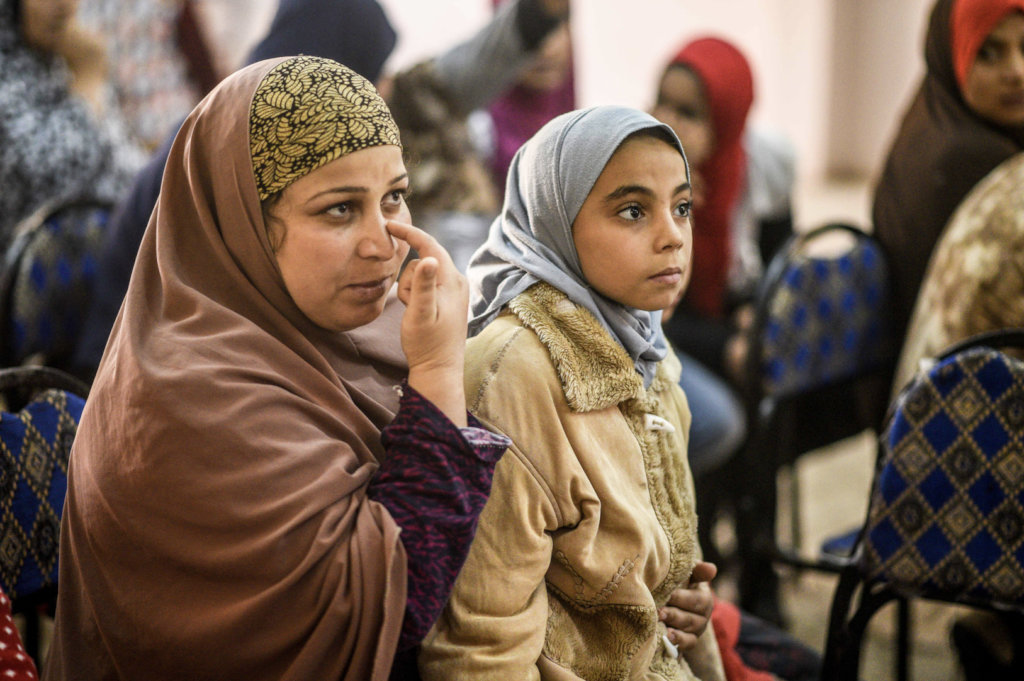
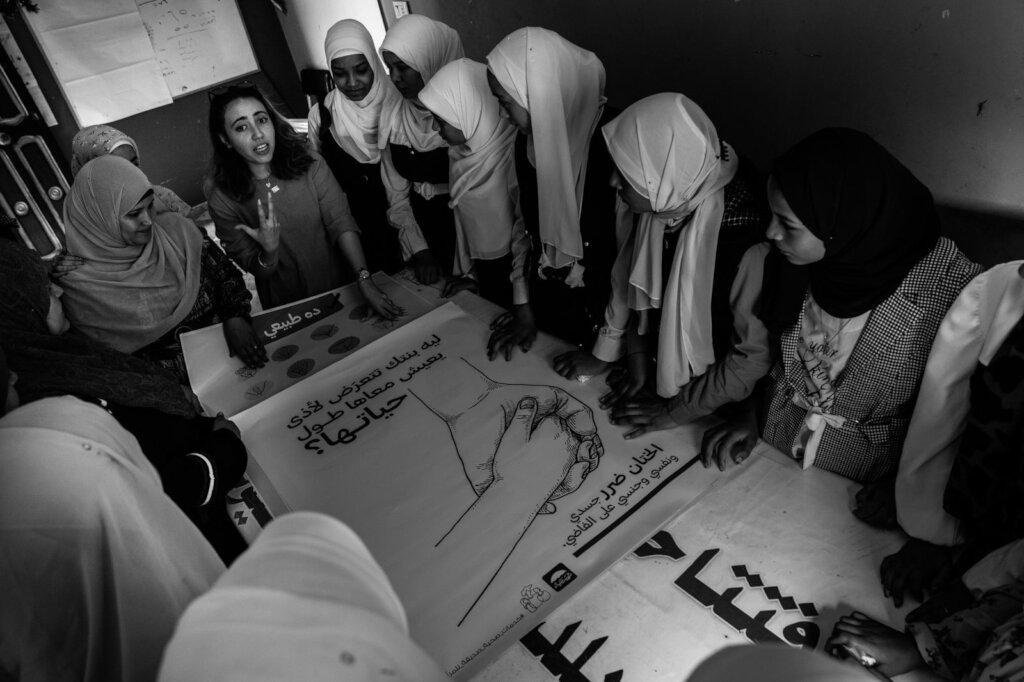
During our community sessions, women shared that they often rely on word-of-mouth for health information, which can be inaccurate or incomplete. Some were unaware that certain services were available to them free of charge. Others did not know how to find reliable health information online or feared using digital platforms altogether.
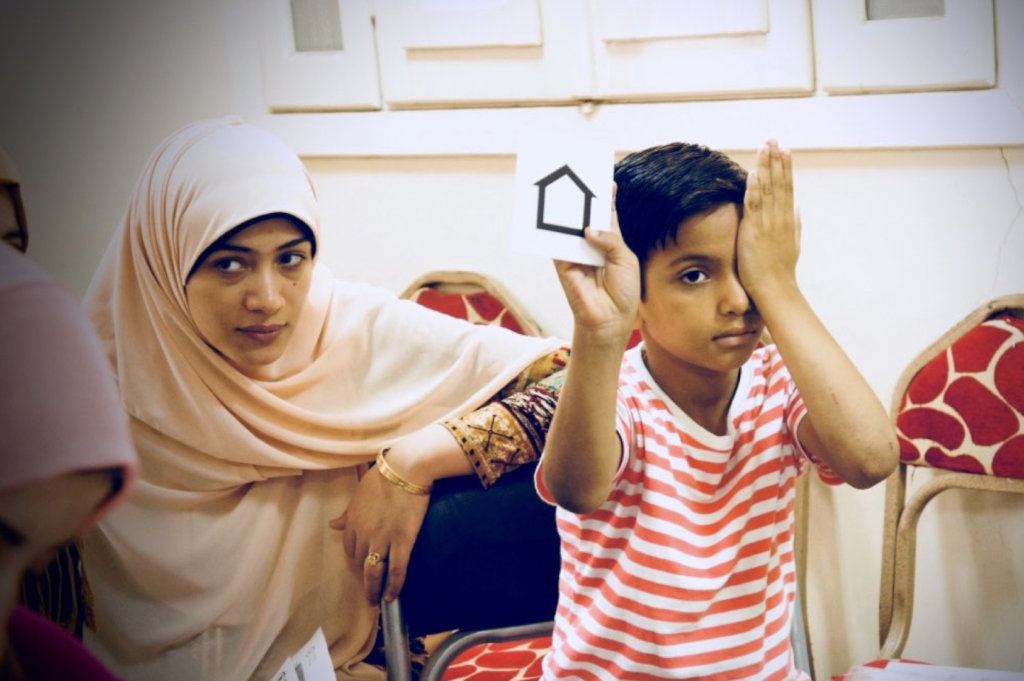
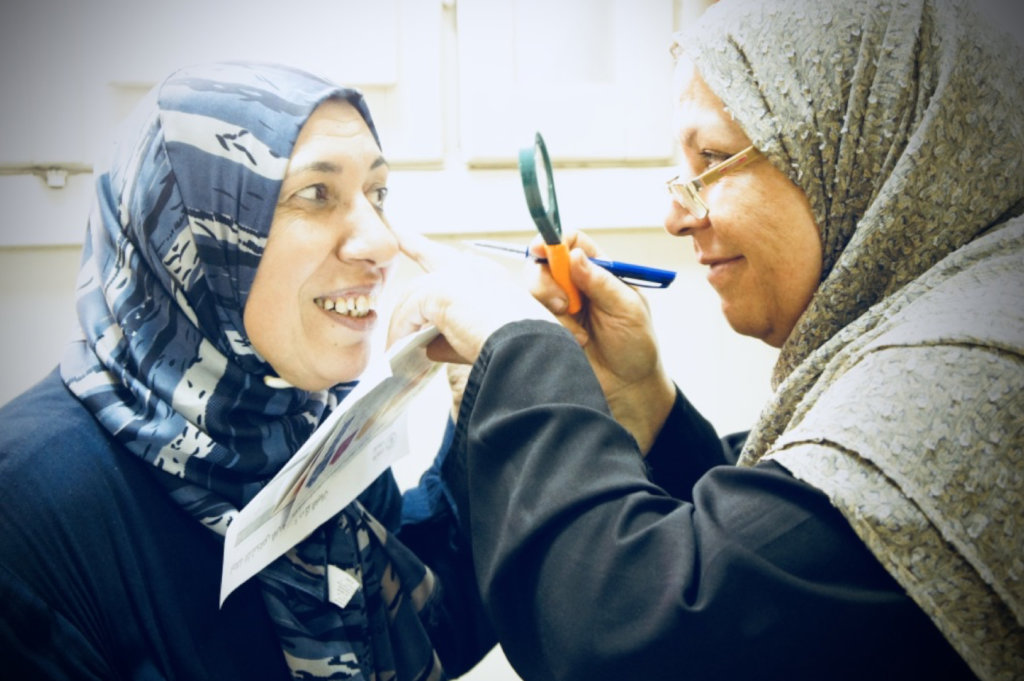
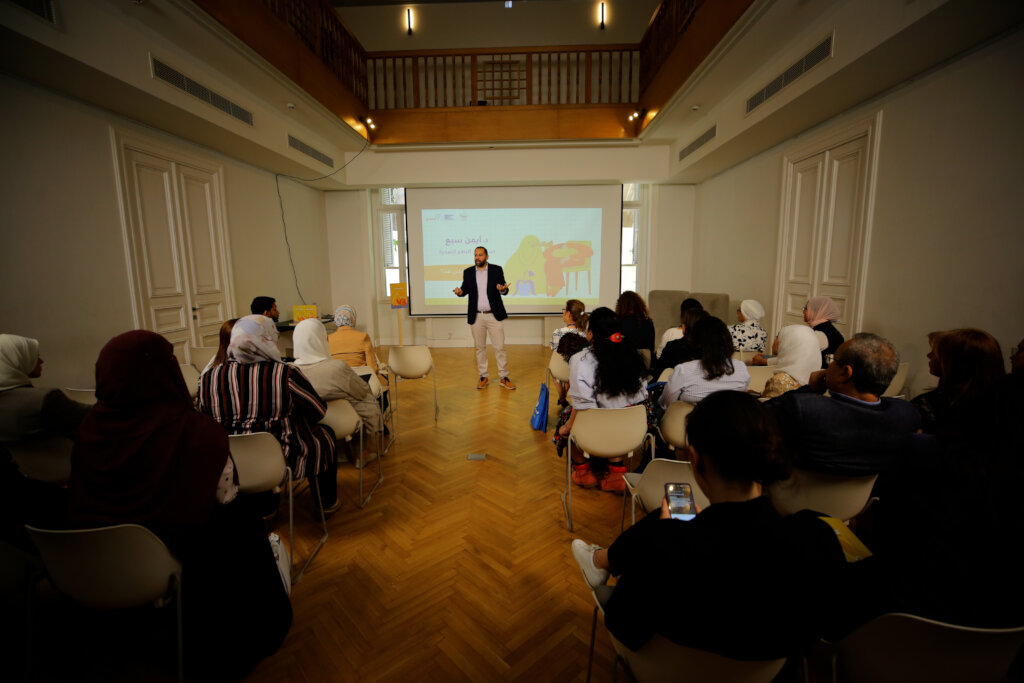
Through this new initiative, we began integrating digital literacy into our right-to-health awareness sessions. Women learned how to:
Search for trusted health information online
Identify misinformation
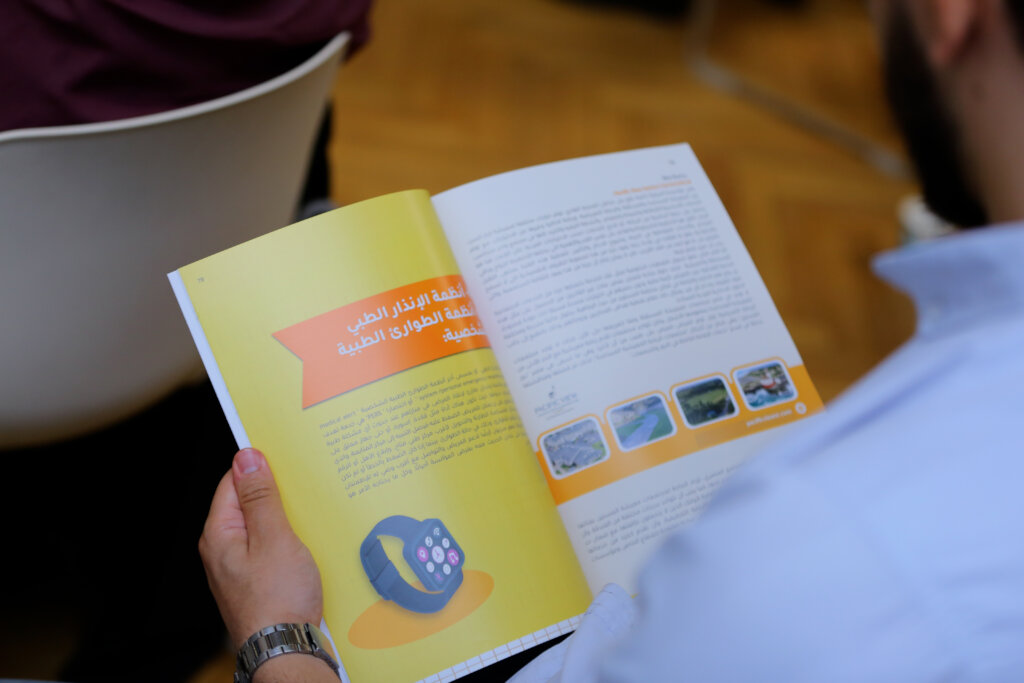
Navigate digital health resources
Understand their entitlements within the public healthcare system
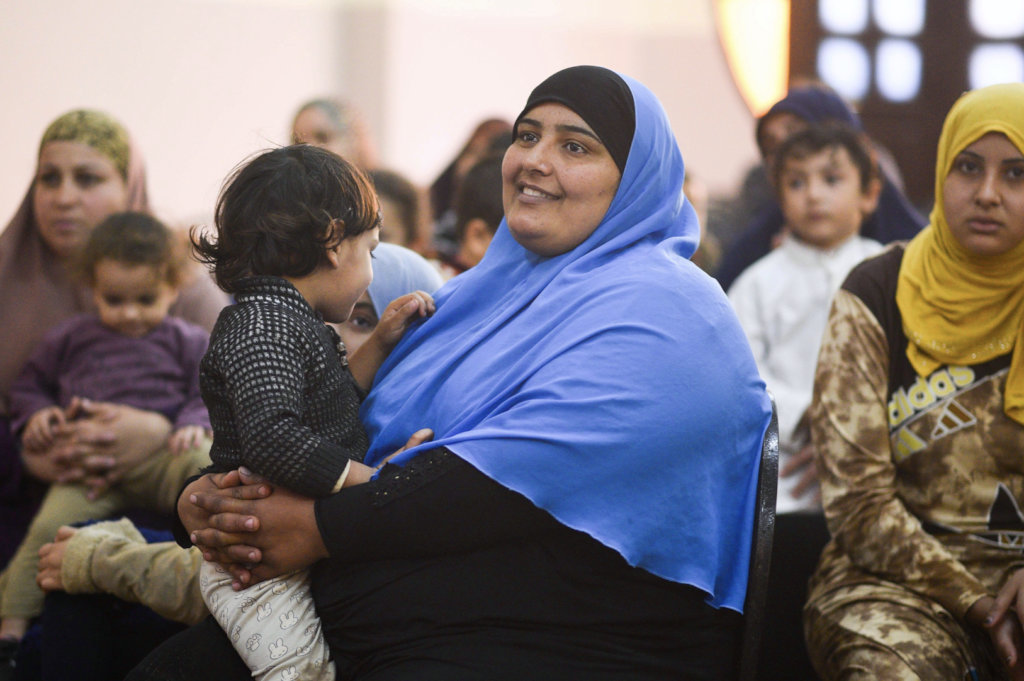
For many participants, this was their first time using digital tools for health-related purposes. What began as basic guidance quickly became something deeper—women expressed increased confidence in asking questions, seeking second opinions, and advocating for respectful treatment.
One participant shared that after learning how to verify health information online, she felt more prepared to discuss treatment options with her healthcare provider. Another explained that understanding her rights helped her overcome fear and stigma when seeking care.
Beyond individual empowerment, this initiative has strengthened local NGOs that now serve as safe spaces where women can access digital tools and continue learning. By equipping community partners with practical resources and training, we are ensuring that this impact continues beyond the life of the project.
Digital inclusion is not only about technology—it is about dignity, autonomy, and informed choice. By bridging the digital gap, we are helping women move from passive recipients of care to active rights-holders who can claim, navigate, and shape the healthcare services they deserve.
Your support makes this transformation possible.
Together, we are building a future where every woman—regardless of her background—can confidently exercise her right to health.
By Chaden Moataz | Projects Manager
By Chaden Moataz | Projects Manager
Project reports on GlobalGiving are posted directly to globalgiving.org by Project Leaders as they are completed, generally every 3-4 months. To protect the integrity of these documents, GlobalGiving does not alter them; therefore you may find some language or formatting issues.
If you donate to this project or have donated to this project, you can receive an email when this project posts a report. You can also subscribe for reports without donating.



Support this important cause by creating a personalized fundraising page.
Start a Fundraiser