By Dr Corinne Taylor-Smith | Project Leader
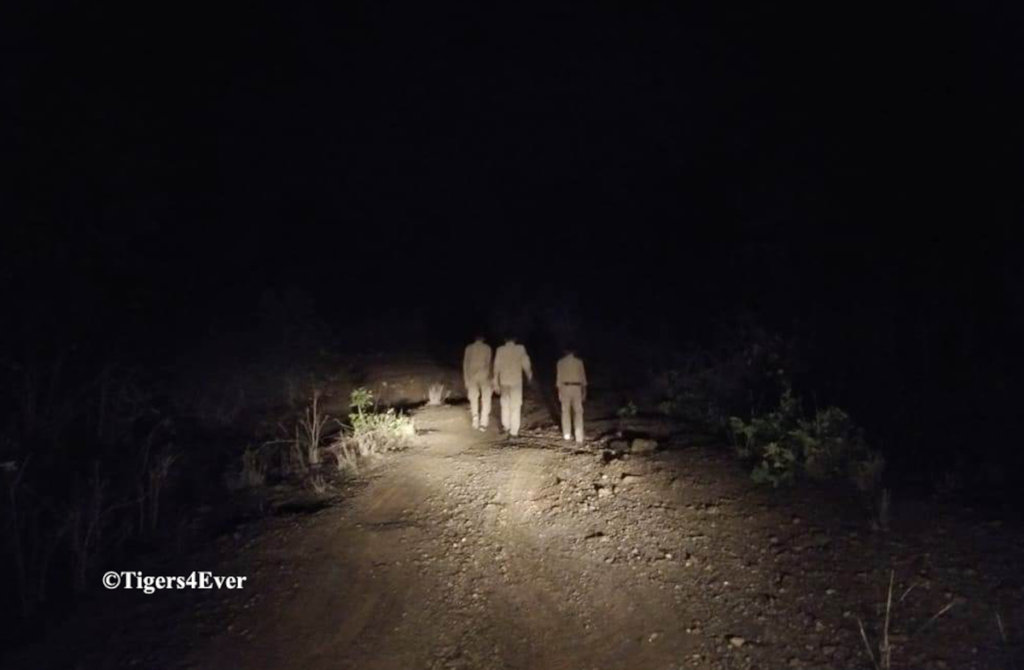
Imagine a monsoon season which starts in May instead of July and continues into October when it should end in September! With heavy rainfall and thunderstorms galore, that is the monsoon season which our patrollers have faced this year! It is a surprise to us all after almost 15 years of poor rainfall and intense heat in the drought season. Who knows what winter will bring this time around? Maybe snow! Whatever it is we need to ensure that our anti-poaching patrols are both equipped and prepared for the challenges they will face.
Without your loyal and continued support, facing these challenges would be almost impossible, so thank you for everything you are doing to help, it is very much appreciated.
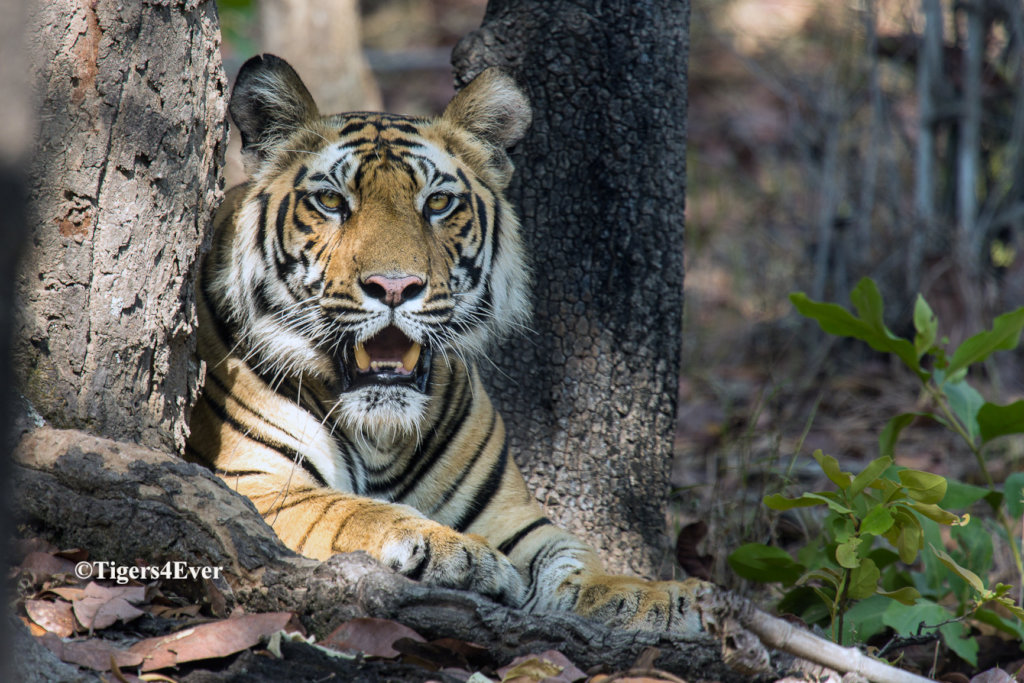
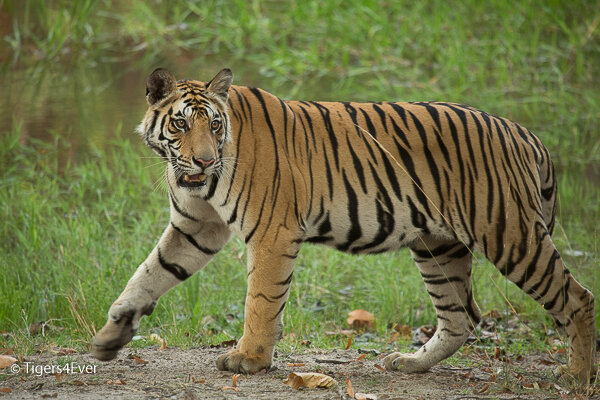
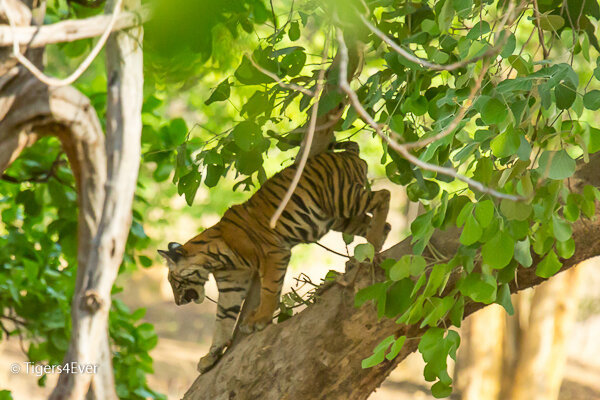
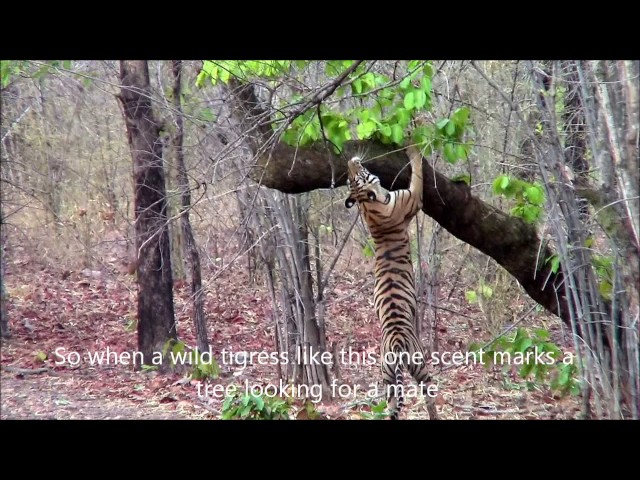
As I write this report at the end of November. I have a heavy heart as I just received news that the anti-poaching patrols found a dead sub-adult tiger yesterday morning. This two-year-old male had everything to live for as he readied himself to leave the safety of his mother’s side, what he hadn’t anticipated was the presence of a much larger stronger adult male in the forest where he tried to make his new home. Sadly, he was no match for the dominant male and paid for his intrusion with his life! Our patrols can protect wild tigers from snares and traps, from would be poisoners and other retaliatory attacks, but we can’t prevent tiger-tiger conflict without creating more habitat into which young tigers can disperse. This Giving Tuesday we need your help as we try to raise more than £15000 ($19650) to restore lost tiger habitat with grasslands and trees so tigers and their prey can thrive. If you can help on Giving Tuesday, our friends at GlobalGiving will add bonus funds to each unique online donation on Giving Tuesday 02 December 2025 and for the first 12 hours of Wednesday 03 December 2025 too. Please donate whatever you can at https://goto.gg/70006 and help us to ensure that wild tigers will have new trees this year too.
Equipping the Anti-Poaching Patrols in Time for Winter too
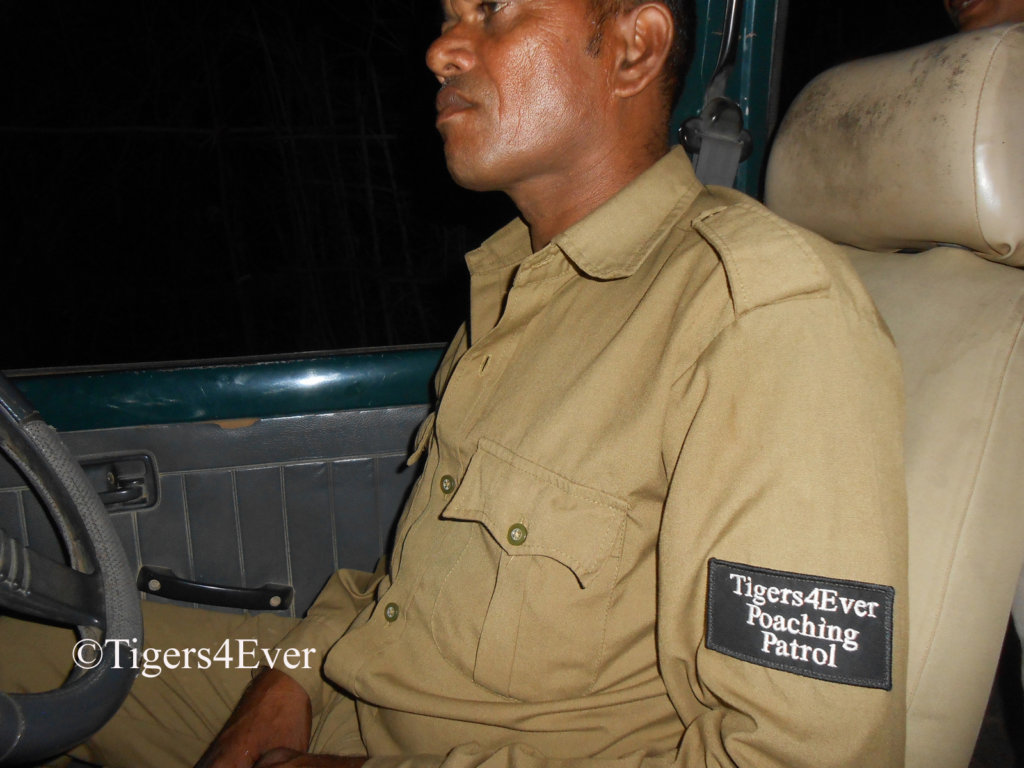
As the thunderstorms and heavy monsoon rains have given way to clearer skies, the temperatures are falling too. The forecast for Bandhavgarh is for a very cold winter this year so warm jackets and sturdy boots with warm socks will be a must for every early morning and night patrol. Thanks to your generosity we have managed to provide warm winter jackets to the for the 200 remaining patrollers who weren’t lucky enough to get one last year. Thank you, with your continued support every patroller in Bandhavgarh now has a Tigers4Ever warm winter jacket to wear whist they keep wild tigers safe in freezing conditions.
The unusual weather patterns in 2025 have stretched our anti-poaching patrols to the limit, so we’re really grateful for your loyal and continued support, without which it would be impossible to maintain the highest level of patrolling in these challenging times. Thank you for helping us to keep wild tigers safe during peak poaching season and beyond. It is good news that we have managed to keep the poachers at bay and that we didn’t lose any tigers to poachers or poisoning during the monsoon. Something which would have been impossible without your generosity, so thank you again.
If you have been following Tigers4Ever and our project newsletters for some time you will know already how the different seasons bring different challenges for our anti-poaching patrols, whilst if you are a new follower, you may need more time to familiarise yourself with our changing efforts to keep wild tigers safe. To help those of you who are new followers, I’m using this report to once again highlight the importance of our anti-poaching patrols and the work which they do to ensure that Bandhavgarh’s wild tigers can have the wild futures which they deserve.
The Essential Role of Anti-Poaching Patrols in Wild Tiger Conservation
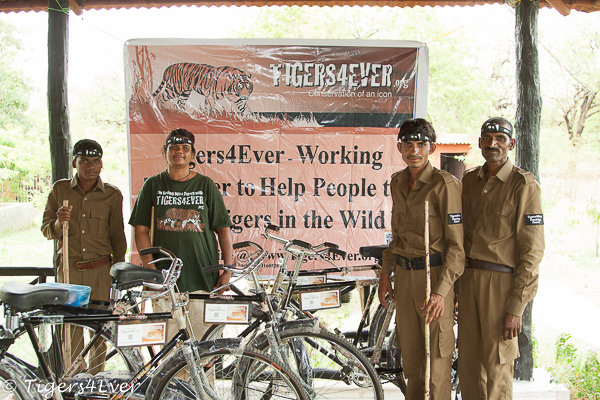
Without your support the survival of wild tigers in Madhya Pradesh, India’s “Tiger State.” Bandhavgarh, would be in doubt. This is where our Anti-poaching patrols work, in the heart of Madhya Pradesh and is where more than five times the number of wild tigers now live compared to the 37 which lived there when our work began! Our Anti-poaching patrols are not only the first line of defence against wildlife crime, but they’re also the heart of effective wild tiger conservation. Their work extends far beyond patrolling, by delivering lasting benefits for wildlife, habitats, and local communities. Despite conservation successes, wild tigers remain critically endangered due to persistent threats: most notably poaching, retaliatory poisoning and the illegal wildlife trade. Below we outline why your investment in our anti-poaching patrols is essential and the impact your donation achieves.
Why Anti-Poaching Patrols Are Essential
1. Direct Protection for Wild Tigers Against Poaching
2. Monitoring Wildlife and Habitat Health
3. Community Engagement and Conflict Mitigation
4. Supporting Law Enforcement and Prosecution
5. Conservation Awareness and Education
Why Their Role is More Than Just Patrolling
Case Study: Impact in Bandhavgarh
Anti-poaching patrols are the backbone of tiger conservation in Bandhavgarh. Their work is multifaceted—protecting tigers, supporting communities, gathering vital data, and responding to emergencies. Investing in and supporting Tigers4Ever’s anti-poaching patrols is essential for the long-term survival of wild tigers and the health of Bandhavgarh’s forests. Which is why our anti-poaching patrols are a keystone project for Tigers4Ever and why we give them our utmost priority every year.
Our Accountability and Transparency
Your donation is used always efficiently and effectively:
Your donations are vital to ensure we can continue this life-saving work, safeguarding wild tigers now and for the future generations to come. (https://goto.gg/28767).
Can we do more?
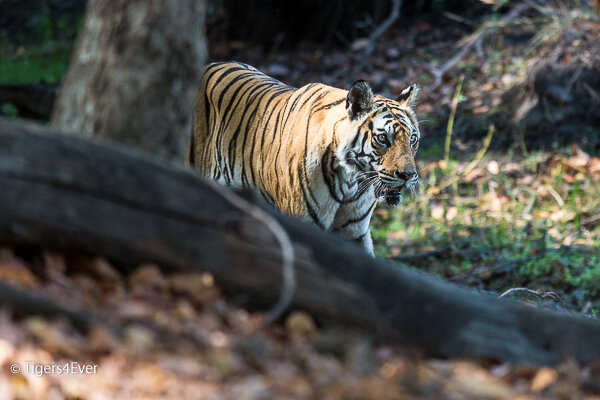
Our anti-poaching patrollers work tirelessly in some of the planet’s most extreme and dangerous environments, performing one of the toughest jobs in the world. Three-quarters of the global wild tiger population is in India, with 3,167 wild tigers, 785 of which are found in Madhya Pradesh, and 226 of these are found in Bandhavgarh, where our anti=poaching patrollers work.
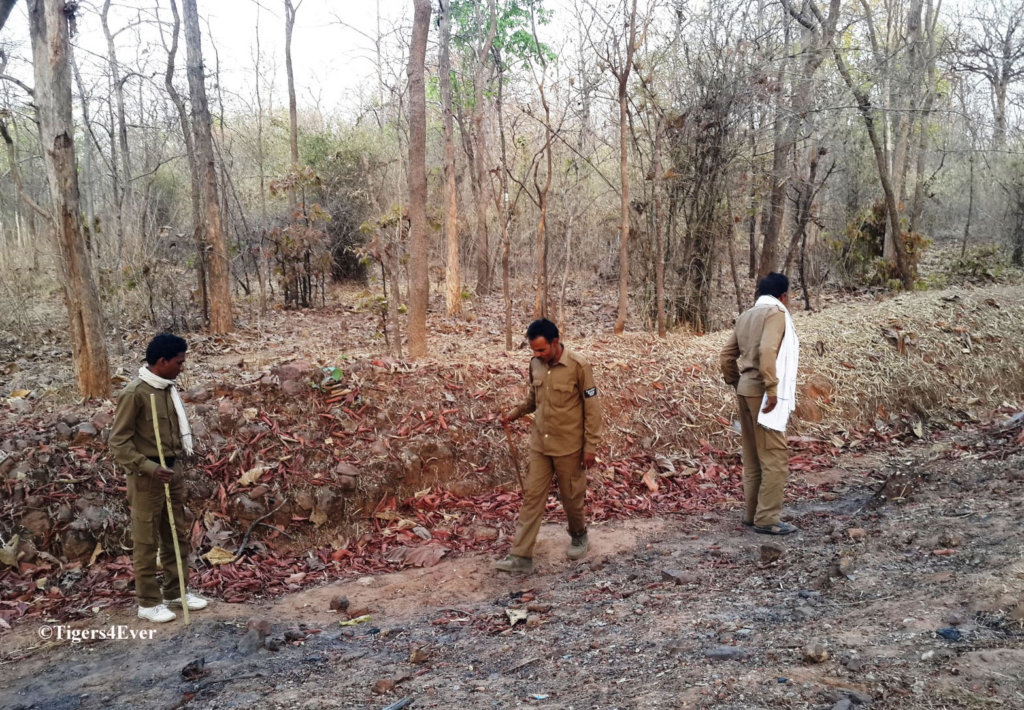
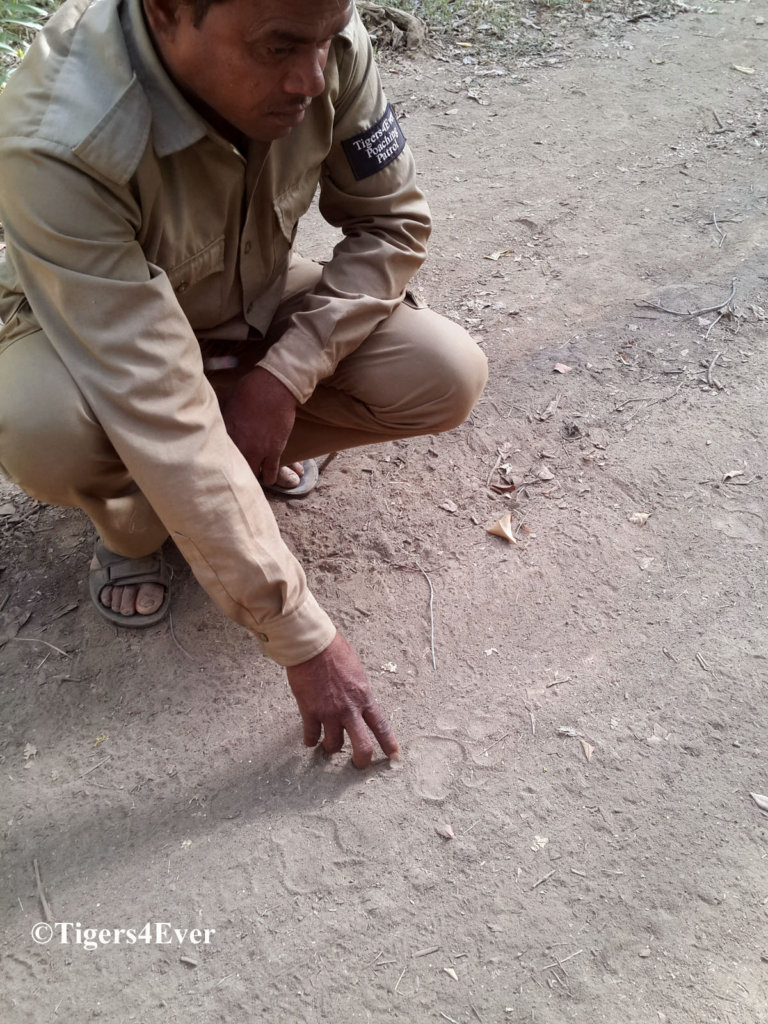
Worryingly the number of snare wires and signs of anchored traps are increasing again. Farmers frequently tie wire snares around the boundary of their crops and villages to prevent crop raiding, but these wire snares are indiscriminate and can kill tigers and leopards too, if they remain undetected. Our patrollers systematically remove these wires and fill the anchor points with sand or soil to prevent hidden tethered snares along the trails where tigers walk. Our patrollers always need to be extra vigilant against snares as they can be easily concealed and can snare a patroller’s foot too. Increasing tiger numbers inevitably leads to an increase in poaching, as well as increased tiger-tiger and human-tiger conflict, so we can’t afford to reduce our patrolling now. Wild tigers need more habitat and protection, so we are in the process of restoring lost forest habitat in Salkhania and creating a new wild tiger corridor at Sarmania (https://goto.gg/70006) to help accommodate the increased tiger numbers. We have also extended our patrolling range this year to include areas where some of the sub-adult tigers from Bandhavgarh have migrated.
In Summer 2025, half of the Tigers4Ever Trustees collectively walked just over 8 marathons to raise funds for our Forest Rehabilitation (Tree Planting) Project and raised almost enough to purchase 5000 tree saplings, which was amazing, find out more here: https://www.globalgiving.org/fundraisers/teamtigers/
Every day, we confront these challenges head-on. In 2023, wild tiger deaths in India reached a 15-year high with 181 reported deaths, which was a 150% increase from 2022. The 2024 death toll reached 126, including 15 due to tiger-tiger conflict in Bandhavgarh. The news for 2025 is bleak too with 150 wild tiger deaths across India already including the cubs of Chhota Bheem, the sub-adult male above and the male tiger killed by the poachers, detailed in our previous reports. So, it is vital that we continue maximum patrolling to protect wild tigers during and after the monsoon as tens of young cubs would not survive if their mother or father was killed by a poacher’s snare. Our work to enhance the existing wild tiger habitat and to reduce conflict through our wildlife waterholes project continues as post monsoon repairs are necessary at least 7 waterholes to ensure that they will function fully when needed: https://www.globalgiving.org/projects/water-for-bandhavgarhs-tigers/.
Protecting wild tigers and their habitat means more cubs survive but with that success comes greater responsibility. As tiger numbers grow and exceed the carrying capacity of their current habitat, urgent action is needed to prevent rising conflict. We’re already facing a critical tipping point in both human-wildlife and tiger-tiger encounters.
Thanks to your generous support, our patrols have helped to reduce unnatural tiger deaths in Bandhavgarh. But we cannot let our guard down as poachers are always watching, waiting for a chance to strike. Your donations have made it possible to extend increased patrols into January 2026. With your continued help, we can keep wild tigers safe through the coming months and beyond the monsoon season. If you’re able to give, now is the time. Every donation truly makes a difference. (https://goto.gg/28767).
We are proud of our patrollers and their amazing efforts to keep wild tigers safe. During the last 4 years their workload has increased 3-fold, and our patrollers have responded with outstanding effort and hard work whilst poaching activity around India has reached a 15-year high. It is a miracle that we continue to keep so many wild tigers safe!
When conflict incidents are coupled with the increased risk of poaching activities, it means that our patrollers need to always be on high alert. We must ensure that we can maintain a minimum of tripled patrolling now, especially as poaching activity is on the increase. https://goto.gg/28767.
Making a Difference
Your continued support means that we can cover an extra 1800 km (1135 miles) of wild tiger territory per month with our tripled patrols. During patrolling, it is essential to ensure sufficient time to search for snares; traps and signs of poisoners around forest areas where human encroachment is widespread as poachers are more active. We need to maintain our patrols around the periphery of villages where crop raiding and livestock killing is rife. Our increased patrolling helps us to curb human encroachment into wild tigers’ territories and allows us to provide safety advice for those trying to protect their crops and livestock from wandering elephants and tigers respectively.
With over 226 wild tigers, including cubs, to keep safe, your help is crucial. In the last quarter, we’ve received news of 16 more precious tiny cubs which need our help. Your gift, however large or small can make a huge difference as to whether Bandhavgarh’s wild tigers and cubs can survive the unprecedented threats they face:
Without our help, we know that wild tigers will die; and more humans will be mauled or killed due to encroachment or human-tiger conflict. Sadly, with every human life lost comes another threat to the wild tiger’s survival in the form of retaliation; thus, we must protect both if we are to ensure that wild tigers can have a wild future.
Please don’t hesitate if you can help, your donation can be the difference between life and death for a wild tiger, as it helps to increase our patrolling when it is most needed. Every tiger and every tiger cub counts. Thank you for making our fight against poachers, the changing climate and human-animal conflict possible. (https://goto.gg/28767).
Links:
By Dr. Corinne Taylor-Smith | Project Leader
By Dr. Corinne Taylor-Smith | Project Leader
Project reports on GlobalGiving are posted directly to globalgiving.org by Project Leaders as they are completed, generally every 3-4 months. To protect the integrity of these documents, GlobalGiving does not alter them; therefore you may find some language or formatting issues.
If you donate to this project or have donated to this project, you can receive an email when this project posts a report. You can also subscribe for reports without donating.



Support this important cause by creating a personalized fundraising page.
Start a Fundraiser