![]()
SENSITIZATION REPORT FOR LOCAL LEADERS ON CEREBRAL PALSY FAMILY-DIRECTED REHABILITATION
1. Introduction
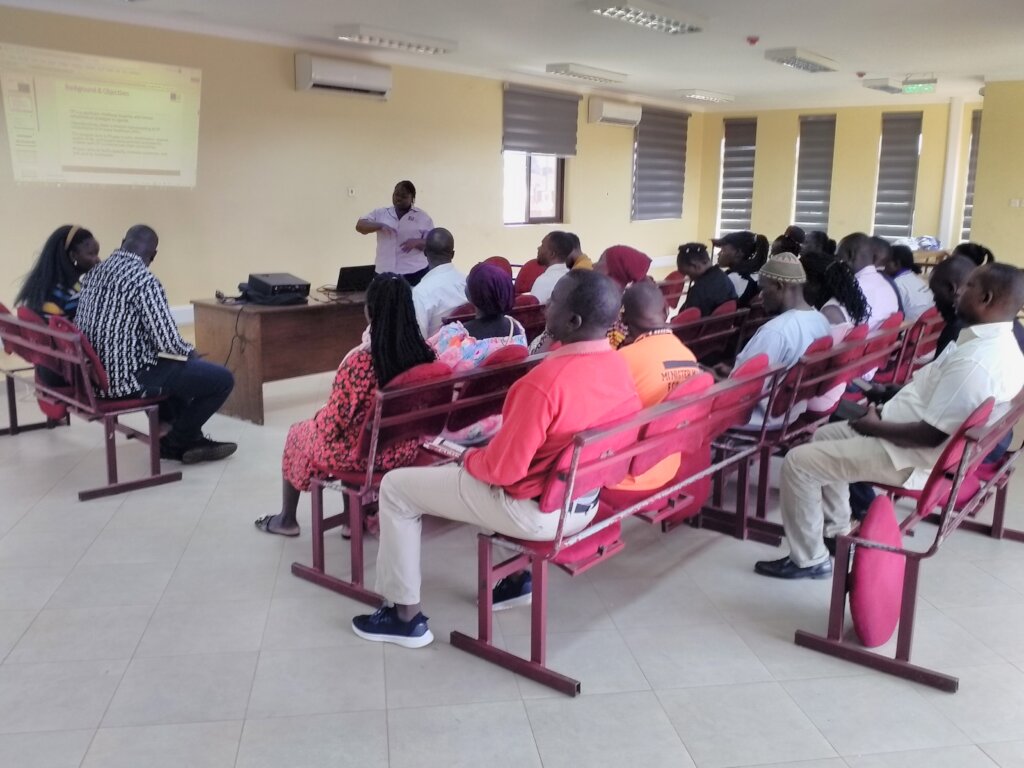
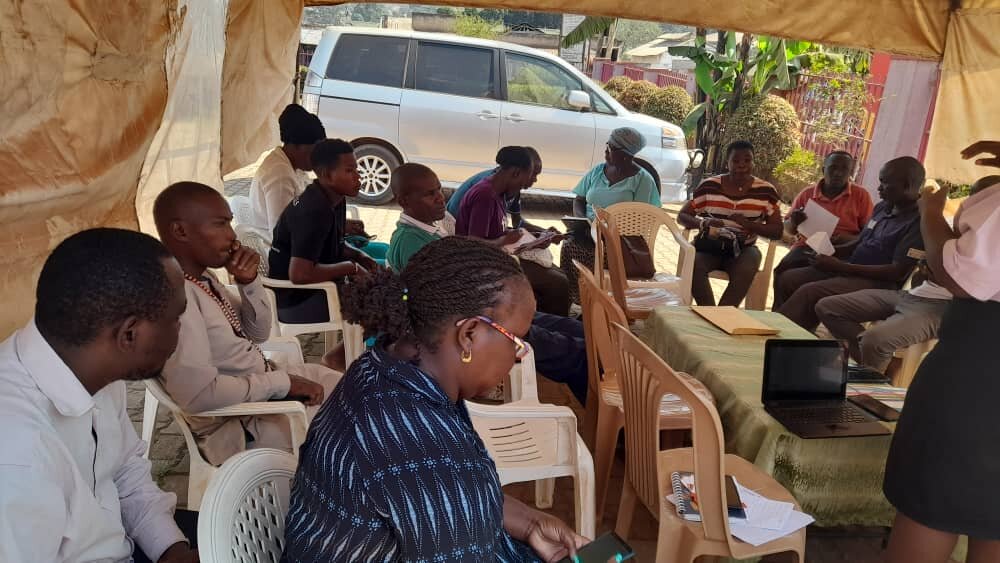
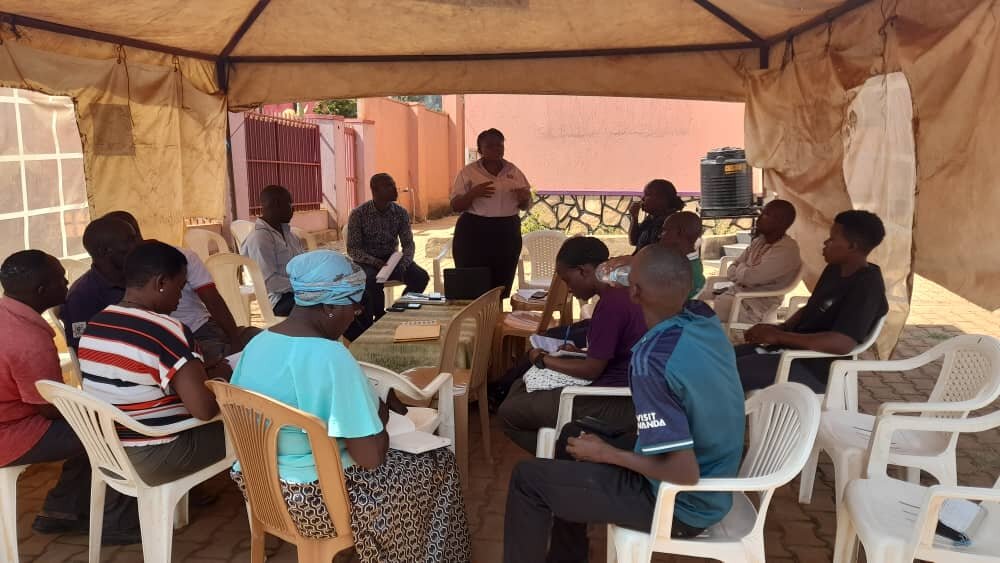
In this quarter we conducted sensitization meeting for local leaders to raise awareness about Cerebral Palsy (CP) rehabilitation services and their role in supporting affected families.
Attendance
A total of 30 participants attended the meeting, including:LC1 and LC2 Chairpersons, Vice Chairpersons, Secretaries for Women Affairs, VHT Coordinators, Youth Leaders,Village Health Teams (VHTs) and Religious Leaders
Participants were drawn from the 10 parishes with in Kawempe
Key Topics Covered
Understanding Cerebral Palsy (CP)
• CP is a lifelong condition caused by brain damage that affects movement, muscle tone, and coordination.
• Causes: Brain injury before, during, or shortly after birth due to birth complications, infections, or lack of oxygen.
• Types of CP: Spastic (stiff muscles), Dyskinetic (uncontrolled movements), Ataxic (balance issues), and Mixed.
• Prevalence: Globally, CP affects 2-3 per 1,000 live births, but numbers may be higher in Uganda due to limited healthcare access.
• Misconceptions: CP is not a disease, not contagious, and not caused by witchcraft.
Rehabilitation Services for Children with CP
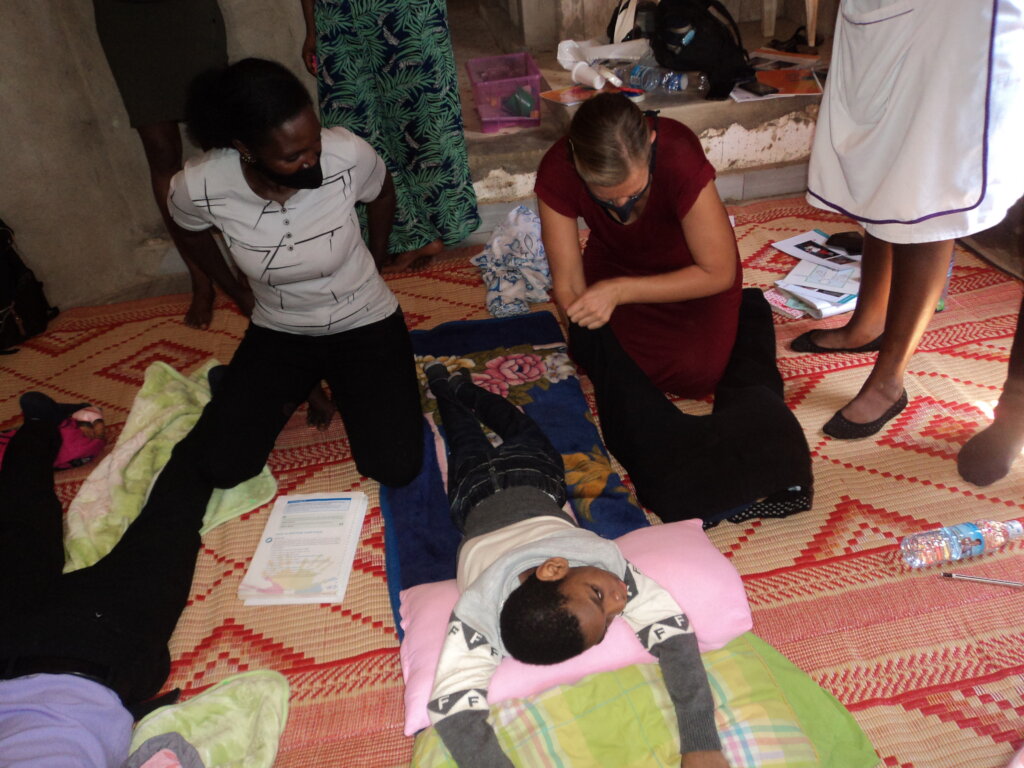
• Physiotherapy: Helps improve movement and muscle control.
• Occupational Therapy: Assists children in developing daily living skills.
• Speech Therapy: Supports children with communication difficulties.
• Assistive Devices: Wheelchairs, braces, and walkers aid mobility.
• Community-Based Rehabilitation (CBR): Ensures services are accessible at the grassroots level
Challenges Faced by Children with CP and Their Families
• Physical Challenges: Difficulty in walking, talking, eating, and performing daily tasks.
• Social and Emotional Impact: Families face stigma, discrimination, and isolation.
• Financial constraints: Therapy, assistive devices, and transport to rehabilitation centers are costly.
• Caregiver Burnout: Many caregivers experience stress, exhaustion, and financial strain.
• Lack of Awareness: Many families do not know about available services.
• Geographical Barriers: Limited access to rehabilitation centers in underserved areas.
• Limited Trained Professionals: Few specialists in CP care and rehabilitation.
Challenges Identified by Local Leaders
• Limited Awareness & Misinformation: Many families still hide their children due to stigma.
• High Expectations from Caregivers:
o Some caregivers expect financial support, school fees, or material aid from organizations.
o They often feel disappointed when organizations focus on training and awareness instead of direct financial assistance.
• Frustration & Loss of Hope:
o Some caregivers gave up on seeking help because they felt organizations only took photos of their children without offering tangible support.
o As a result, some caregivers no longer want to engage with CP-related programs.
Addressing Stigma & Misconceptions
Common Misconceptions:
CP is a curse → It is a medical condition.
CP is contagious → It is not a disease.
Children with CP cannot learn → Many can go to school and be productive.
Effects of Stigma:
o Families isolate their children, preventing them from getting help.
o Children with CP face discrimination at school and in social spaces.
o Caregivers experience emotional and financial stress.
How Leaders Can Address Stigma:
Educate communities through awareness campaigns.
Promote disability rights and inclusion.
Engage cultural and religious leaders to spread positive messages.
Lead by example—visit affected families and offer community support.
The Role of Local Leaders in Supporting CP Rehabilitation
• Mobilizing Community Support: Raising awareness about CP and available services.
• Linking Families to Services: Ensuring caregivers are linked to rehabilitation centers.
• Addressing Stigma: Educating communities to accept and support children with disabilities.
• Advocating for Inclusive Policies: Encouraging schools and local government to support CP-friendly programs.
• Economic Empowerment: Support income-generating activities for caregivers
Referral System
• A Chairperson from Makerere requested referral books to assist a child in his community in accessing CP assessment services.
• Some VHTs were provided with referral books to help link children with CP to appropriate healthcare services.
Lessons Learned
1. Caregivers have high expectations from organizations, leading to disappointment and disengagement when support is limited to training.
2. Frustration and loss of hope among caregivers hinder the uptake of CP rehabilitation services.
3. Local leaders are willing to help, but they need better information and resources to link caregivers with services.
4. VHTs play a key role in supporting caregivers and identifying children with CP.
5. Continuous engagement is necessary to rebuild caregivers’ trust in available services.
Recommendations from Local Leaders
1. Improve caregiver engagement and support to manage expectations and ensure long-term involvement.
2. Enhance communication from organizations about the type of support available.
3. Distribute referral books to more local leaders and VHTs to facilitate CP assessments.
4. Introduce counselling services for caregivers to address frustrations and prevent disengagement.
5. Strengthen partnerships between community leaders, health workers, and rehabilitation centers for better service delivery.
General Recommendations
Increase community awareness campaigns to reduce stigma.
Train more local leaders and VHTs on CP rehabilitation services.
Introduce income-generating projects to ease caregivers’ financial burden.
Advocate for CP services in local health centers to improve accessibility.
Develop caregiver support groups to sustain engagement and motivation.
Conclusion & Call to Action
The meeting successfully raised awareness among local leaders about CP and highlighted the need for realistic caregiver expectations, better communication, and continued engagement.
Call to Action:
Local leaders should actively refer caregivers to CP services using the referral books provided.
Organizations should improve transparency on available support to prevent false expectations.
Continuous engagement with caregivers is essential to rebuild trust and encourage participation.
![]()
![Share on Twitter]()
![Share on Facebook]()