By KENCHO TSHERING | Programme/Communications Officer
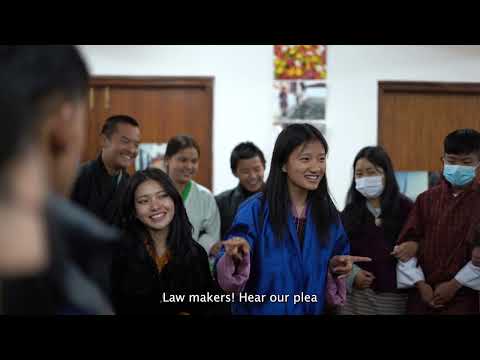
When club coordinators and students from the Media and Democracy Clubs in Samtse attended the workshop on “ Promoting young people’s participation in community development,” they were invited to reflect on a rarely asked question: why do young people remain largely absent from local governance processes that shape their lives? Through carefully designed participatory exercises, students examined barriers including their self constructed fears such as fear of authority, uncertainty about their right to participate, and the lack of safe spaces for young people to participate in and express their views without judgement.
The workshop organised from 05 to 07 February 2026, was informed by extensive pre-planning and contextual analysis to ensure that the programme was relevant, practical, and responsible to local realities and the participants' profiles. Grounded in Bhutan’s democratic and decentralisation framework, the initiative positioned youth not as passive beneficiaries, but as informed citizens, analysts of their lived realities, and critical partners and collaborators in the governance processes that influence, define and shape development in their communities. While there are robust institutional mechanisms established to promote citizen participation in policy and decision-making processes, meaningful engagement, particularly by young people, remains limited or worse, almost absent in practice. The participants, specifically the youth, described their experiences, and reflected on the reality of adult-dominated community spaces, lack of awareness of their own role in the decision making processes as well as the governance structures and high power distance in social dynamics that the youth find intimidating. Cultural norms that largely honour age and hierarchy, limited awareness of participation platforms, low confidence, and poor communication channels were some of the issues that the participants identified and acknowledged as factors continuing to marginalise youth voices. Many had never been informed of their right to attend community meetings, raise concerns, or contribute to discussions, reinforcing a deeply internalised belief that civic life was reserved for adults and those elected to positions of power and authority.
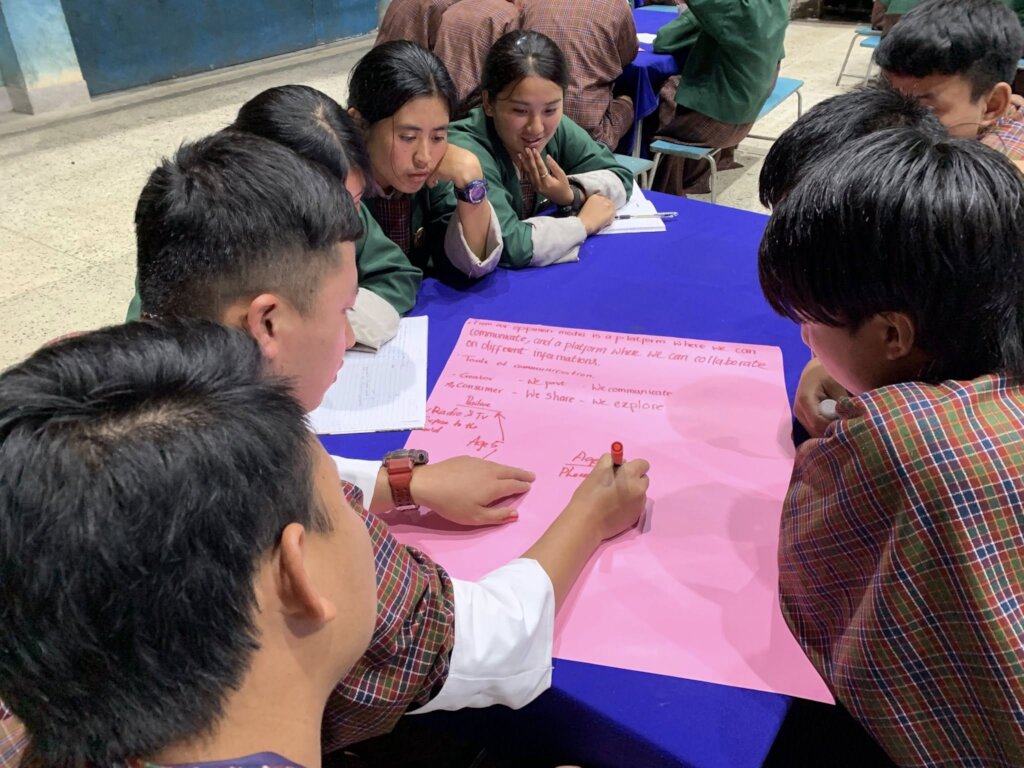
Hands-on activities such as community safety mapping and public service assessments, enabled youth to analyse risks, access and inclusiveness within their communities, while also proposing realistic, context-specific solutions. Reflective group exercises further helped participants recognised their limited influence in decision-,aking across home, school and community settings, while identifying pathways for change through dialogue, skills building, and shared responsibility. The young in the group exhibited their awareness about their surroundings as they went on to identify issues, from unsafe public spaces such as shops selling alcohol near schools, poorly lit pathways, and inadequately maintained infrastructure that posed risks to children and young people. Furthermore, they also proposed practical and context specific solutions such as installing street lights, clearer regulation and monitoring to ensure safe community spaces, community awareness initiatives, and collaboration with local authorities to redesign unsafe spaces.
Building on this, participants also assessed public service delivery, examining access to health facilities, recreational spaces, libraries, footpaths, and sports facilities. While some services were perceived as accessible, participants identified systemic gaps related to quality, safety, inclusiveness, and lack of regular maintenance. Barriers faced by young people, particularly those with disabilities and from remote or economically disadvantaged backgrounds were evident. Youth recommendations emphasised equitable access, inclusive design, improved maintenance, and strengthened accountability mechanisms.
Alongside their outward analyses, young people were guided to reflect on their own experiences of participation within homes, schools, and communities. Using a cobweb analysis exercise, participants highlighted persistently low levels of influence in decision making, driven by fear of authority, limited opportunities/ platforms for engagement and participation, and adult perceptions of youth as inexperienced. Many shared feeling unheard in classrooms, excluded from household decisions, and absent from community forums. At the same time, the exercise helped youth identify pathways for change, such as creating safe spaces for dialogue, strengthening communication skills, and gradual expansion of roles and shared responsibility. This reflective process deepened self-awareness and collective motivation, reinforcing the understanding that participation is a skill that can be learned, practised, and progressively strengthened.
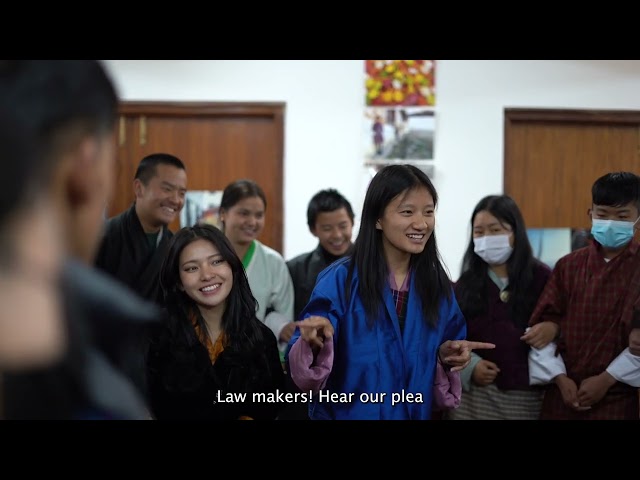
As the initiative progressed, a visible shift in confidence emerged among participants. Young people who were initially reluctant to speak began articulating their views with clarity and conviction, recognising that participation was not a privilege granted by adults, but a right exercised through knowledge and collective action. This transformational shift underscored the importance of institutional and adult support in sustaining youth engagement beyond individual confidence building.
Investing in youth participation is not only a democratic responsibility, but a strategic investment in building child-friendly governance systems at both local and national levels that are more responsive, inclusive, and sustainable. This is the first step of the initiative to promote child participation in governance processes, and the next phase of the initiative will involve training local government leaders on the importance of actively engaging young people and incorporating their perspectives into local development planning, ensuring that plans are truly inclusive. Following this, local leaders and youth will come together in a collaborative and consultative process to deliberate, shape, and agree on local plans that are responsive to the needs of children and young people.
By Kencho Tshering | Programme/Communications Officer
By Kencho Tshering | Programme/Communications Officer
Project reports on GlobalGiving are posted directly to globalgiving.org by Project Leaders as they are completed, generally every 3-4 months. To protect the integrity of these documents, GlobalGiving does not alter them; therefore you may find some language or formatting issues.
If you donate to this project or have donated to this project, you can receive an email when this project posts a report. You can also subscribe for reports without donating.



Support this important cause by creating a personalized fundraising page.
Start a Fundraiser