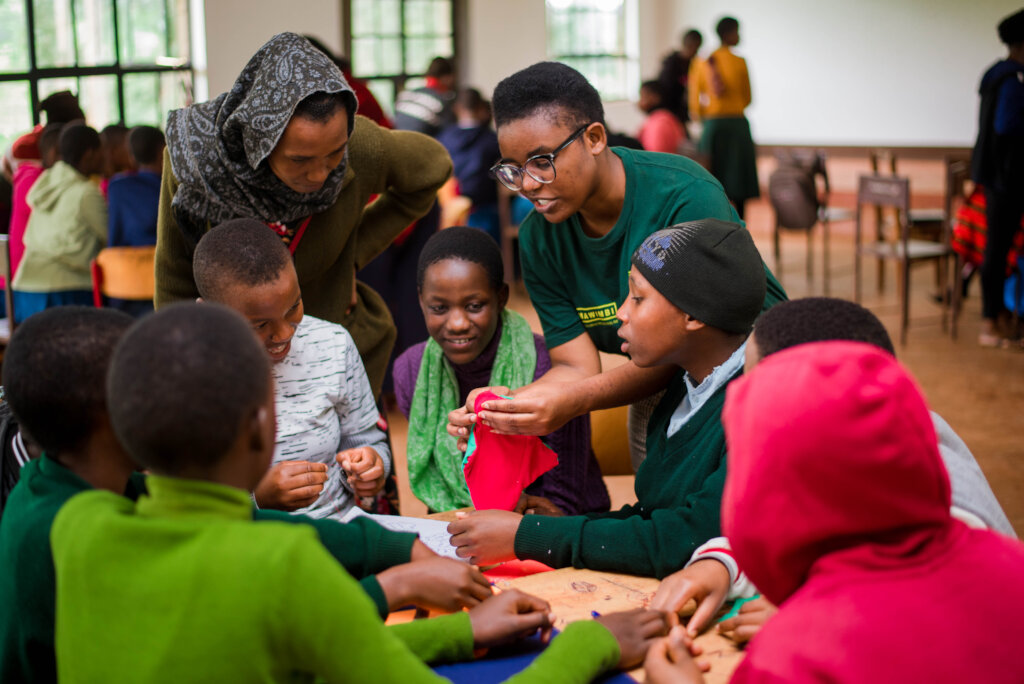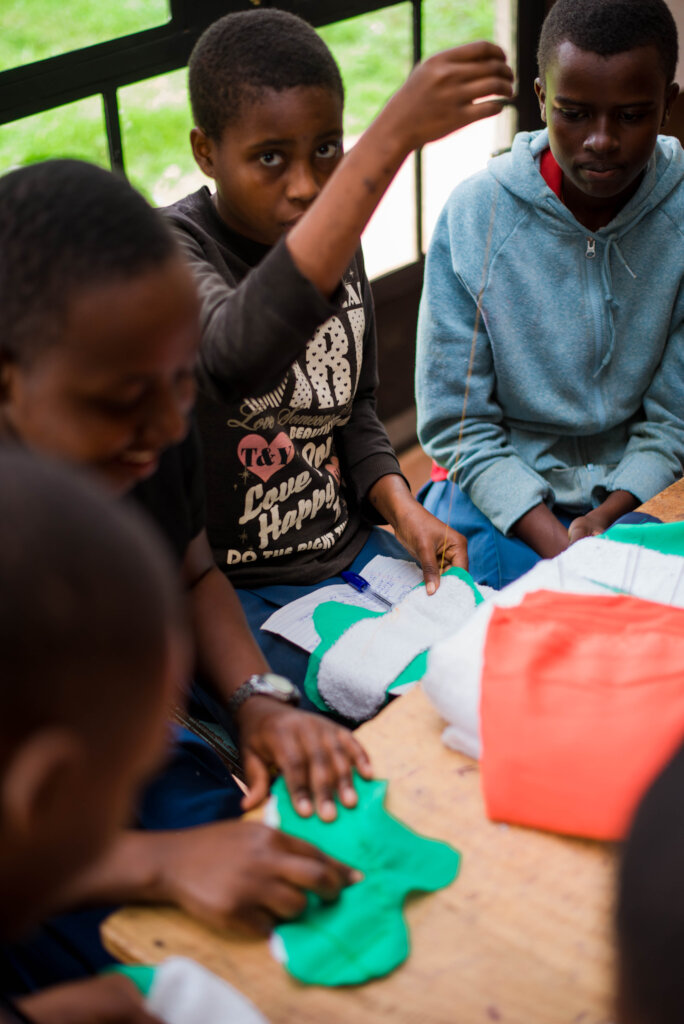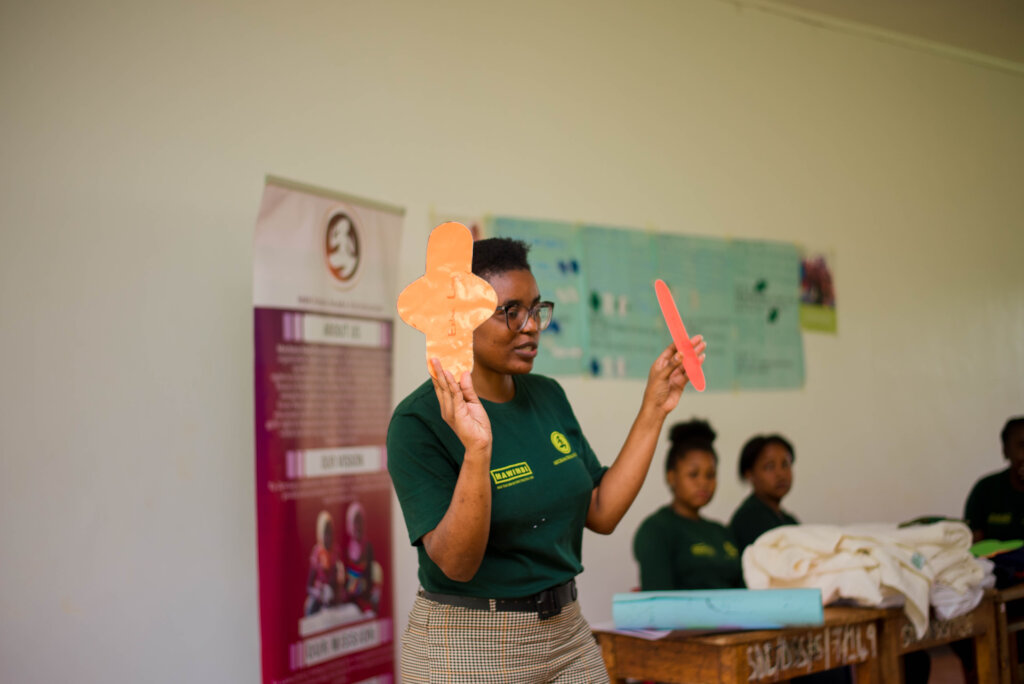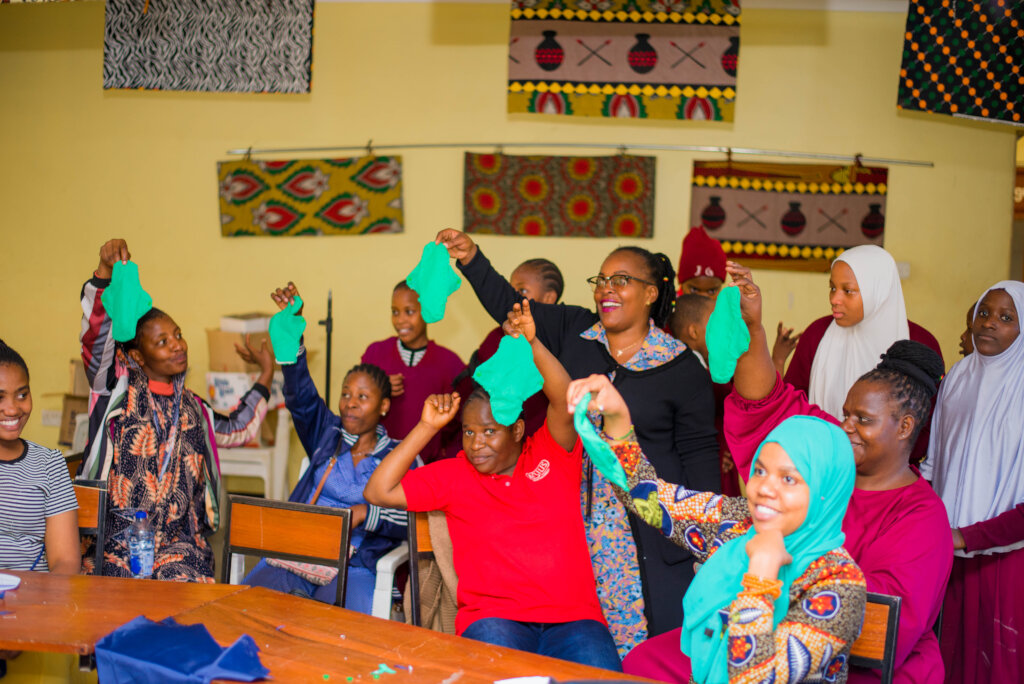
By Eliwilimina Buberwa | Project Leader
Behind every dignity kit distributed and every menstrual health session delivered is a simple truth: this work depends on consistent funding. In 2025, financial cuts and reduced donor support have increasingly affected our ability to reach girls who need us most.
As funding declined, difficult decisions had to be made.
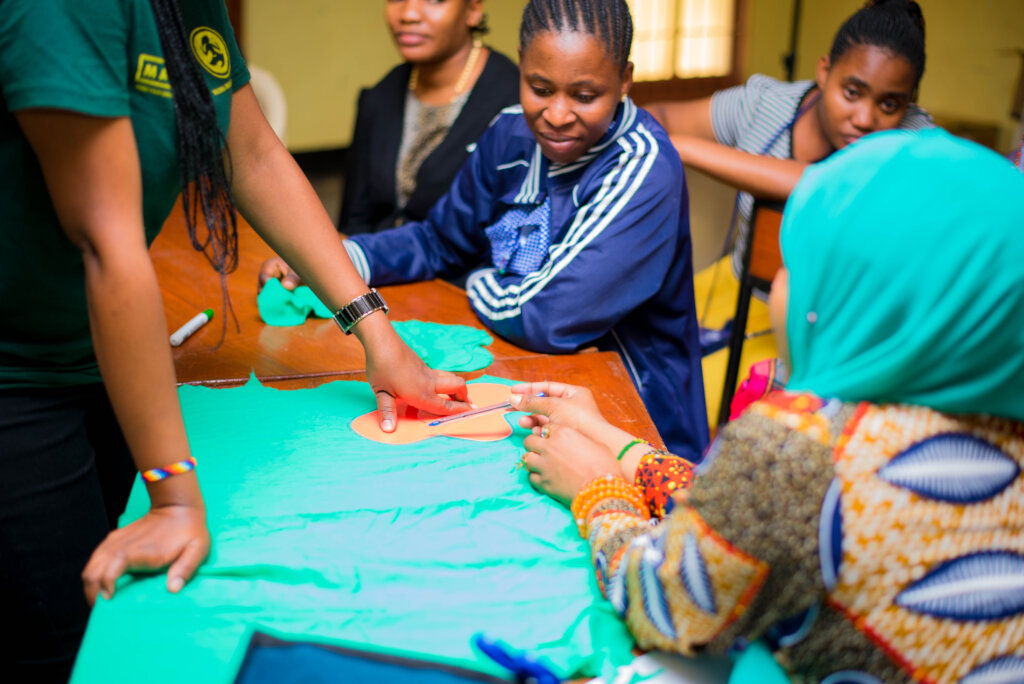
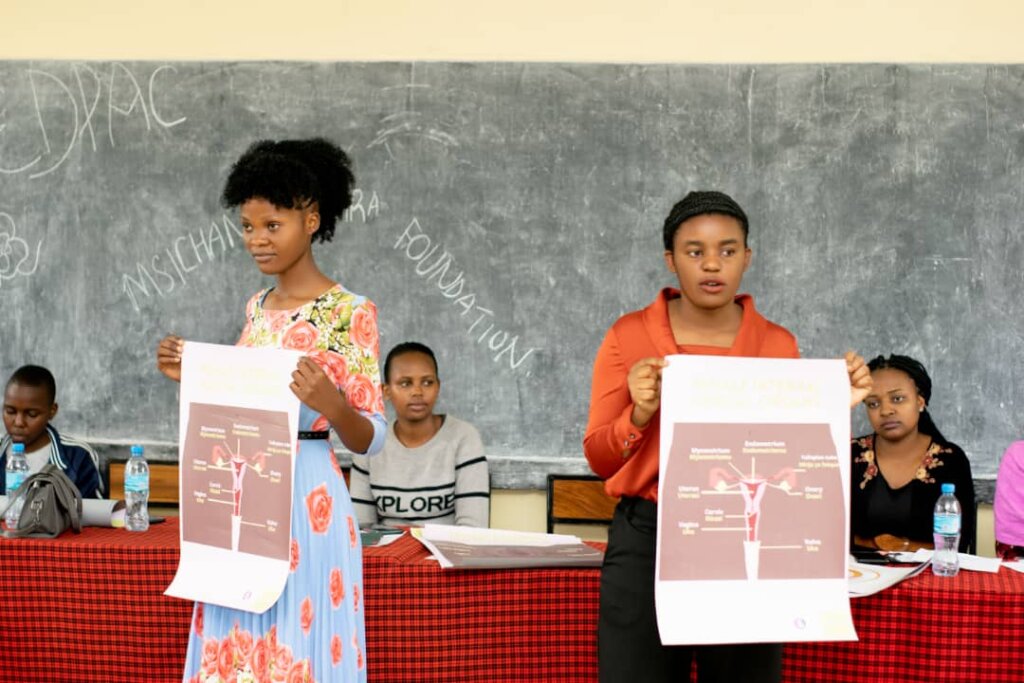
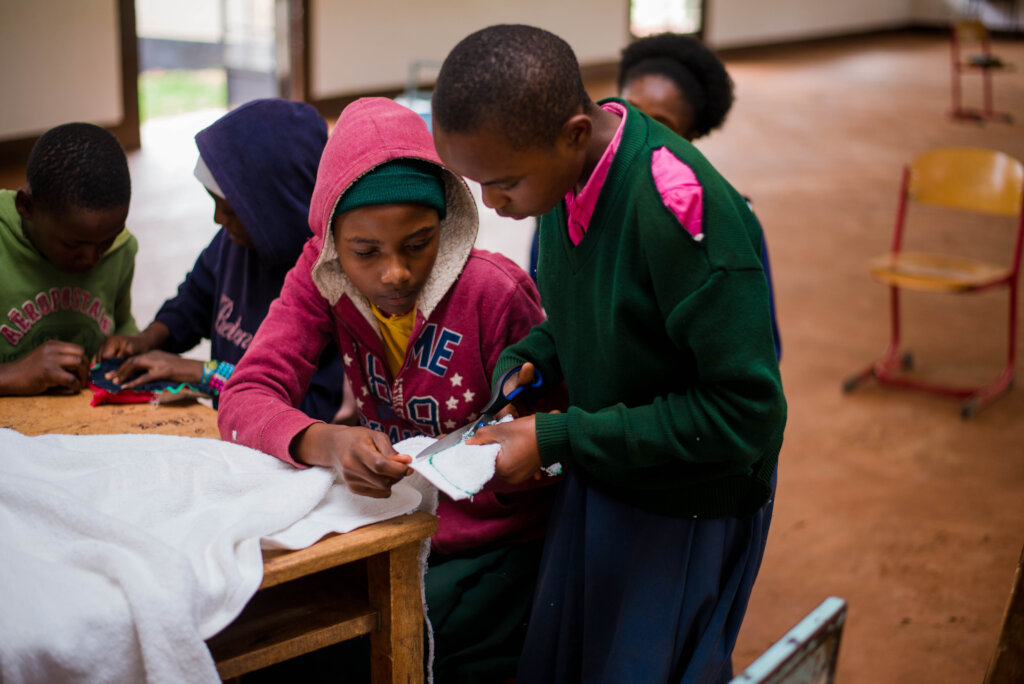
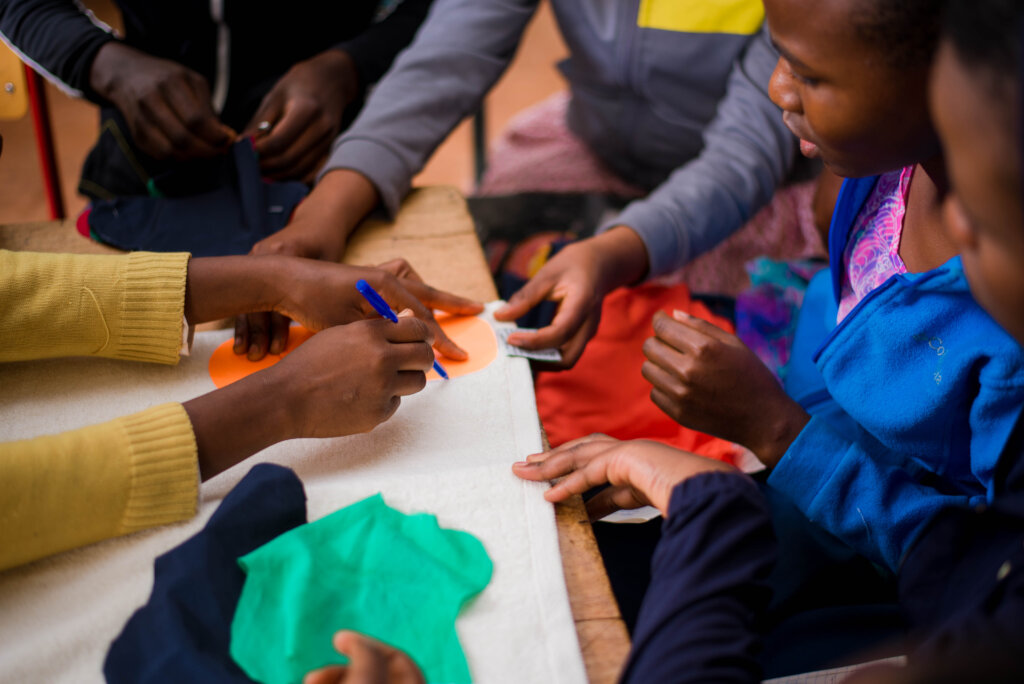
We were forced to reduce the number of students reached, scale down community sessions, and limit the distribution of menstrual products. Programs that once covered entire 100 girls per session were narrowed to only a 50 girls per session. Planned expansions were postponed.
These were not just budget adjustments.
They were decisions that directly affected girls’ lives.
How Funding Cuts Has Affected Our Beneficiaries
For girls, the impact is immediate and personal.
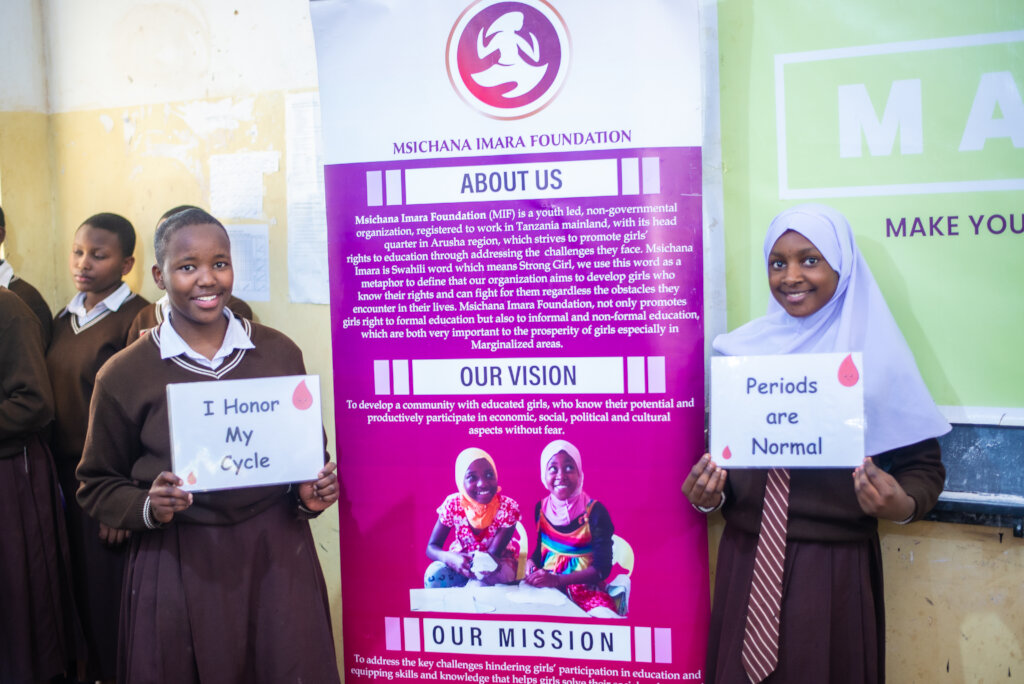
When menstrual products are unavailable, school attendance drops. Girls miss exams, fall behind in class, and lose confidence. Some begin to see absenteeism as normal. Over time, temporary absence becomes permanent dropout.
One teacher shared:
“When support stops, girls disappear from class during their periods. You can see it on the attendance register.”
Funding cuts also deepen inequality. Girls from families that can afford sanitary products continue attending school, while girls from low-income households fall further behind simply because of biology.
The Hidden Cost of Underfunding Menstrual Health
Menstrual health is often seen as a “soft” issue, yet the cost of ignoring it is high:
Increased school dropout rates
Lower academic performance
Reduced self-esteem and leadership potential
Reinforced gender inequality
When menstrual health programs are underfunded, girls pay with their education, their confidence, and their future opportunities.
Our Commitment Despite the Challenges
Even in the face of financial cuts, we remain committed. We innovate, prioritize the most vulnerable, and stretch resources wherever possible.
To truly change the story for girls, menstrual health must be funded as essential, not optional.
Because when funding stops, girls stop attending school.
And when girls stop attending school, dreams are put at risk.
By ELIWILIMINA BUBERWA | PROJECT LEADER
By Eliwilimina Buberwa | Project lead
Project reports on GlobalGiving are posted directly to globalgiving.org by Project Leaders as they are completed, generally every 3-4 months. To protect the integrity of these documents, GlobalGiving does not alter them; therefore you may find some language or formatting issues.
If you donate to this project or have donated to this project, you can receive an email when this project posts a report. You can also subscribe for reports without donating.



Support this important cause by creating a personalized fundraising page.
Start a Fundraiser