By Akshay Gawade | Project Leader
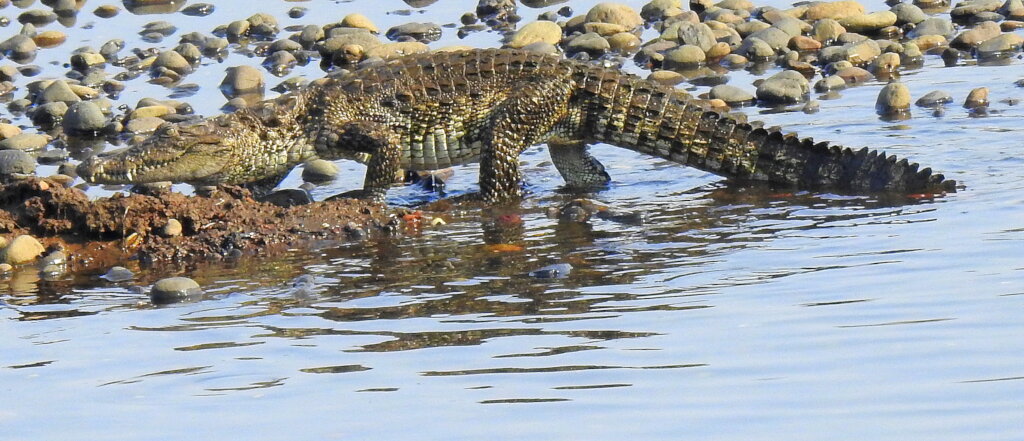
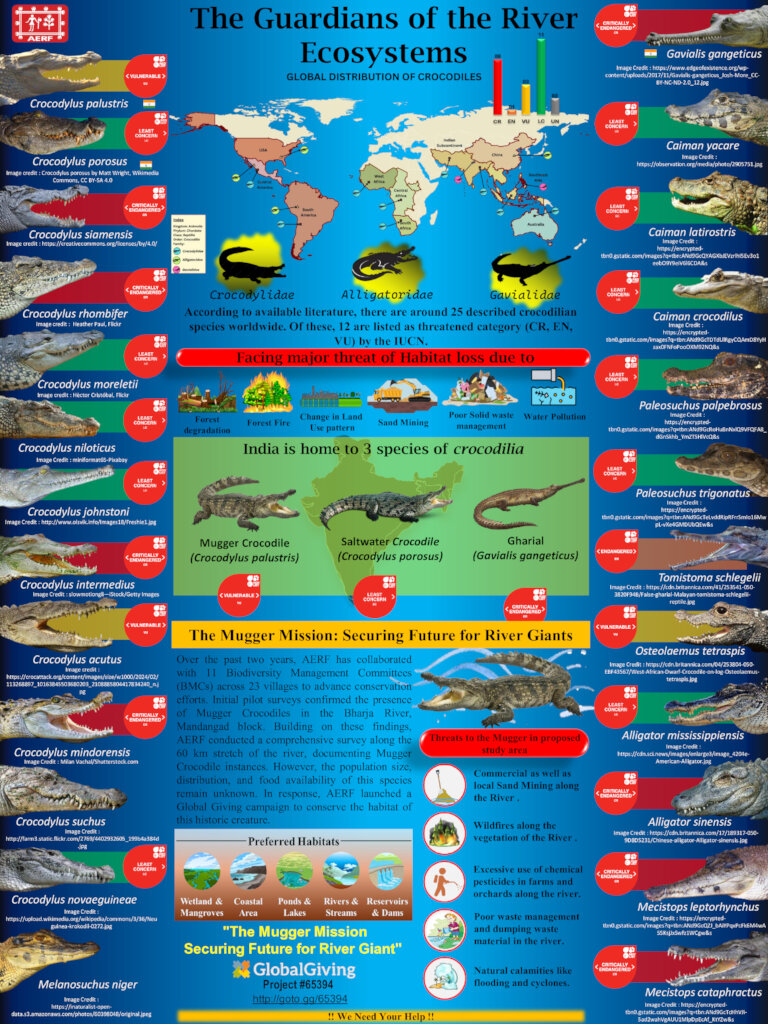
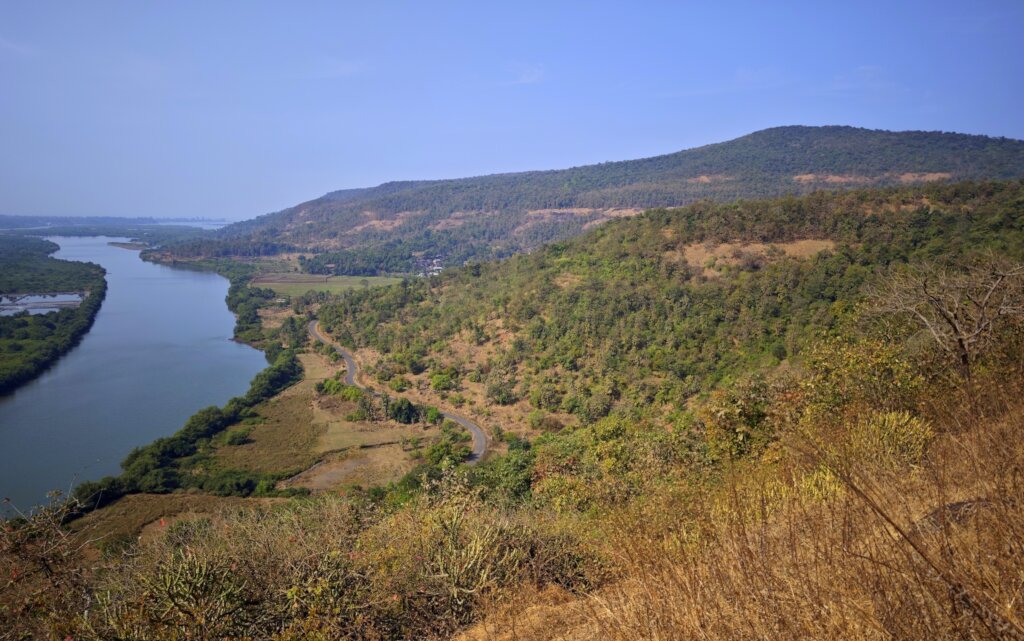
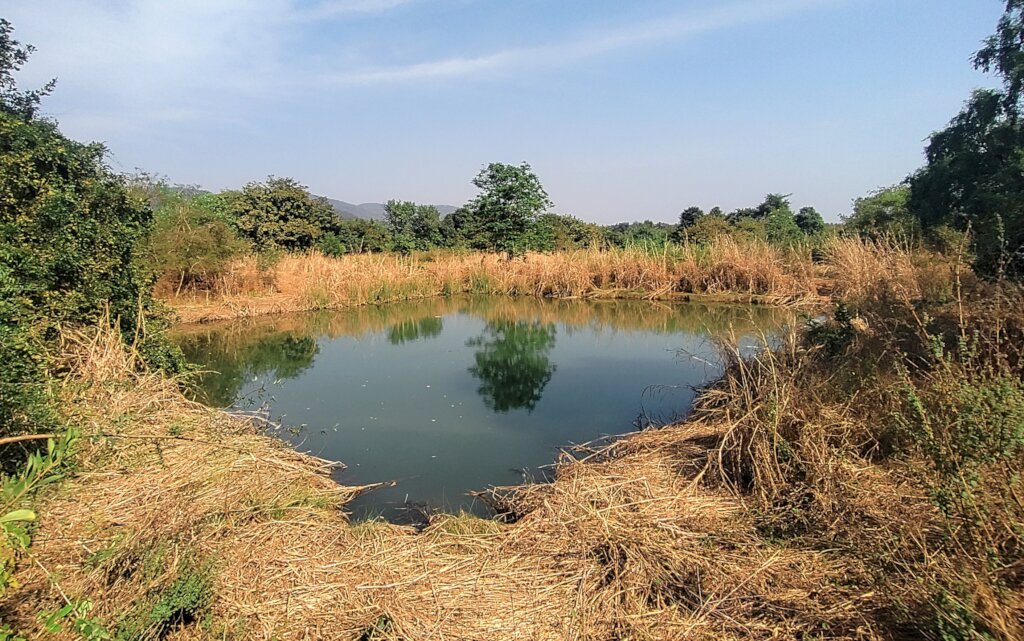
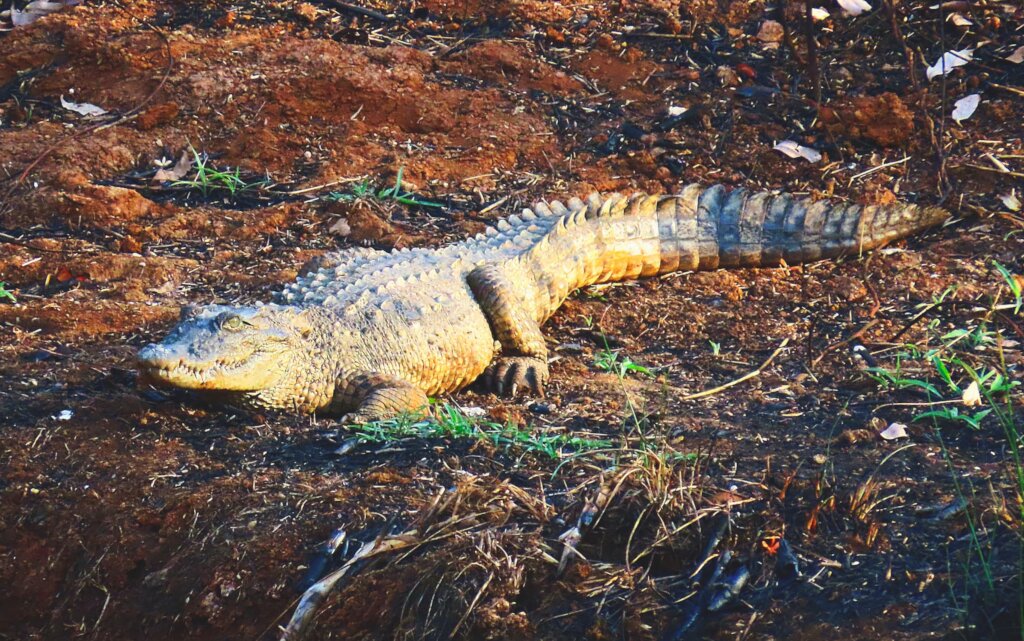
For generations, the Bharja River has flowed quietly through the Mandangad landscape of Ratnagiri district in Maharashtra, passing through mountain forests, farms, and mangrove creeks before meeting the sea. Along its banks lives one of India’s most ancient reptiles — the Mugger crocodile. Despite their size and power, these crocodiles have coexisted peacefully with local communities for decades. Livestock drink from the river, people work in nearby fields, and also fishing in the same river. Yet conflicts are rare. This raised an important question during our work under The Mugger Mission over the past three years: what sustains these large predators without pushing them toward livestock or people?
The answer lies beneath the water — fish diversity.
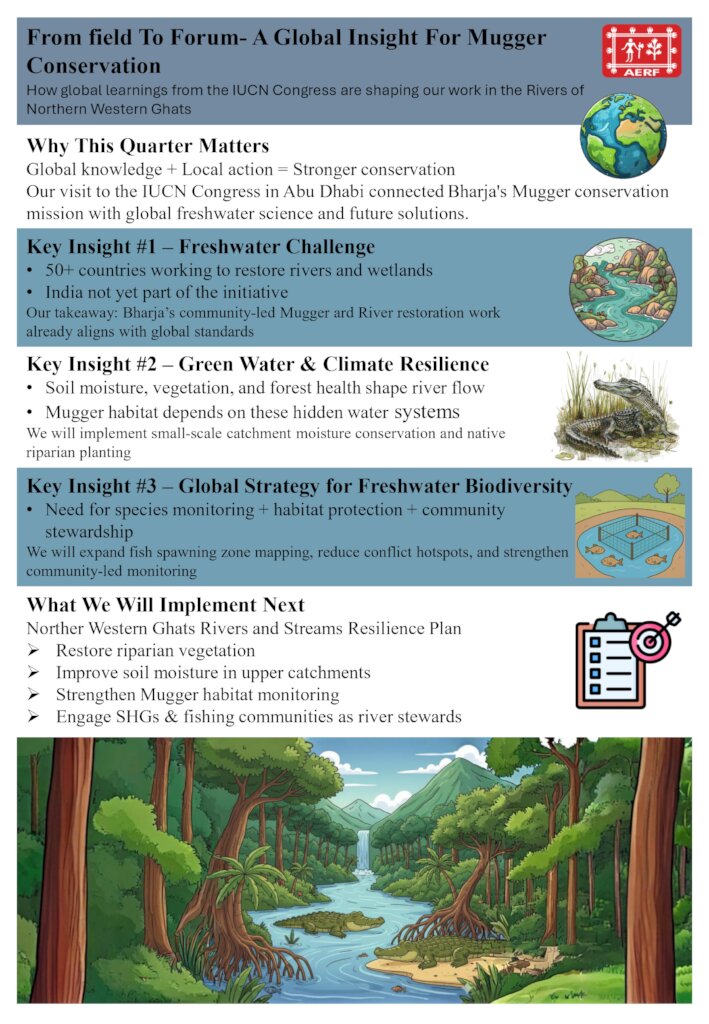
As our fieldwork progressed, it became clear that the survival of Mugger crocodiles is deeply connected to the richness of fish populations in the Bharja River. This realization has aligned our work with the global SHOAL initiative, which aims to conserve 1,000 threatened freshwater fish species worldwide. Protecting the Mugger ultimately means protecting the entire river ecosystem that supports the fish forming the base of its food web.
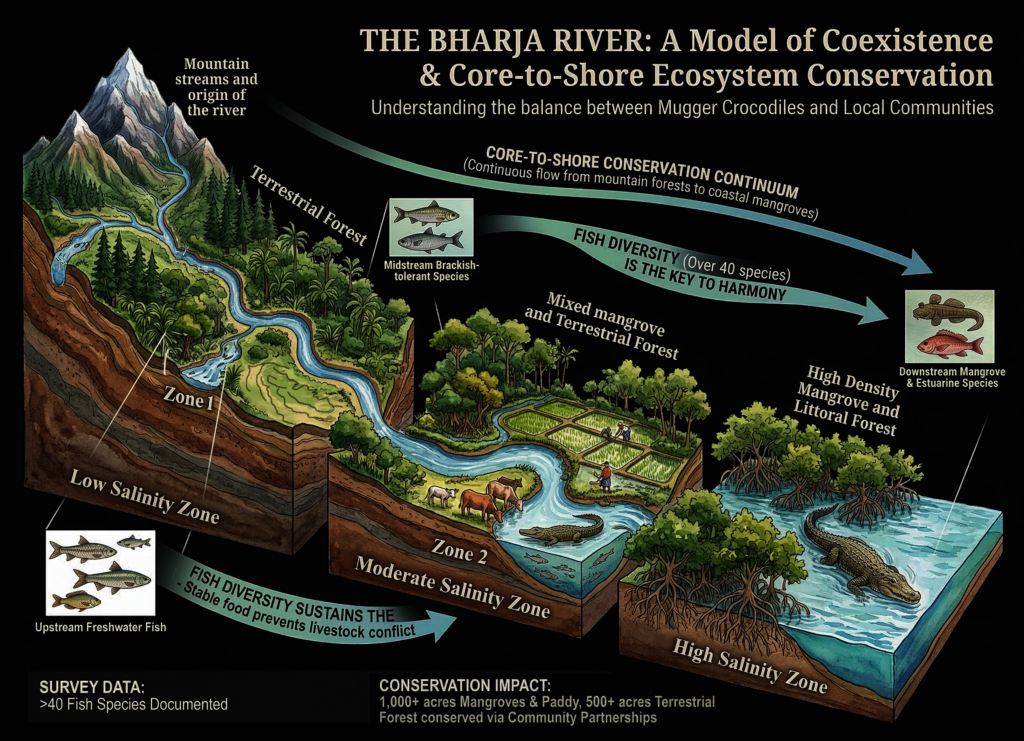
Our conservation work follows a Core-to-Shore approach, recognizing that ecosystems from mountain forests to coastal mangroves are interconnected. Healthy forests regulate water flow and nourish streams that feed rivers, which eventually merge with mangrove ecosystems near the coast. Protecting this entire ecological continuum is essential. Through community partnerships and voluntary conservation efforts, we have already helped conserve over 1,000 acres of mangrove forests and salt-ingressed paddy fields, along with about 500 acres of terrestrial and mountain forests.
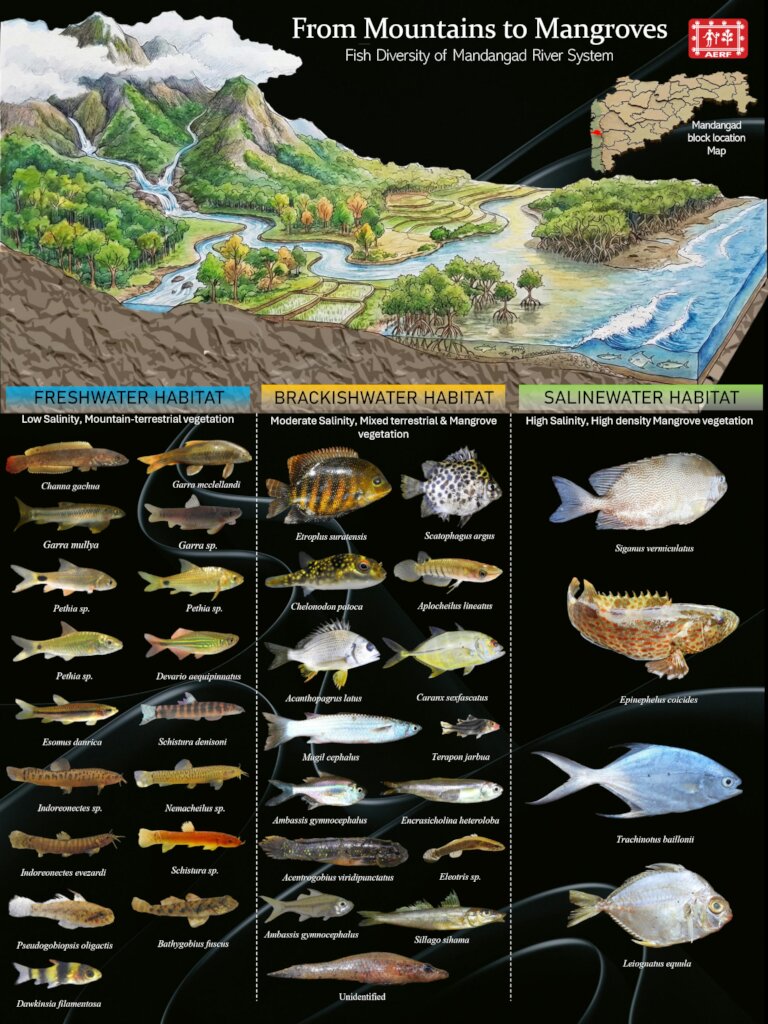
During our surveys in the Bharja River, we documented more than 40 species of fish. The river forms a natural ecological gradient with three zones — freshwater upstream, moderately saline brackish stretches in the middle, and highly saline mangrove zones near the coast. As the salinity changes, so does the fish community. Some species are restricted to specific habitats, while others move across multiple zones, showing remarkable adaptability.
This diversity of fish provides a stable and natural food source for Mugger crocodiles, helping maintain the peaceful coexistence between wildlife and local communities. Our work documenting fish diversity therefore plays an important role in understanding and strengthening the ecological foundation that supports these crocodiles.
In the coming months, we plan to expand our documentation of fish diversity and map how species are distributed across the freshwater, brackish, and saline zones of the Bharja River. Through the Mugger Mission and our Core-to-Shore conservation strategy, we aim to protect not just a single species, but the entire river system that connects forests, rivers, mangroves, fish, and crocodiles into one functioning ecosystem.
With your continued support, we can protect this river ecosystem and bring many more fascinating discoveries from the field to you.
Thank you once again.
By Akshay Gawade | Project Leader
By Akshay Gawade | Project Leader
Project reports on GlobalGiving are posted directly to globalgiving.org by Project Leaders as they are completed, generally every 3-4 months. To protect the integrity of these documents, GlobalGiving does not alter them; therefore you may find some language or formatting issues.
If you donate to this project or have donated to this project, you can receive an email when this project posts a report. You can also subscribe for reports without donating.



Support this important cause by creating a personalized fundraising page.
Start a Fundraiser