![HoneyAID Cooperative]()
HoneyAID Cooperative
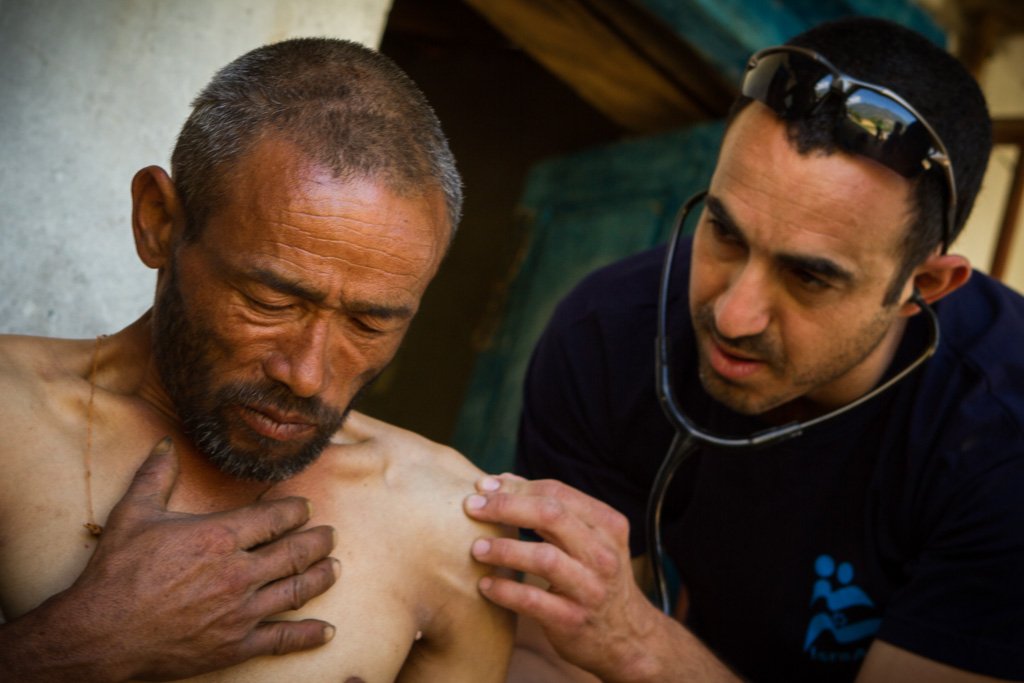
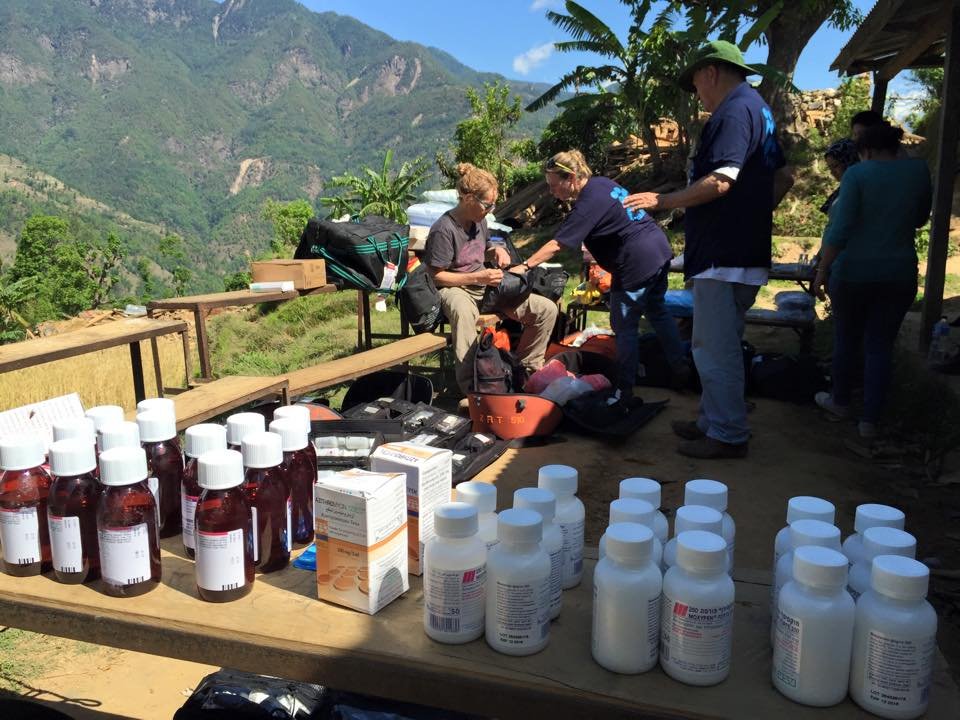
On Saturday 25th of April, 2015, at 11:56 am local time, a 7.8 magnitude earthquake devastated Nepal, and its capital Kathmandu. Two weeks later, as the situation began to stabilize somewhat, another large 7.3 magnitude earthquake hit the country, causing extensive damage and creating severe mental anguish and fears of further instability. Over 8,200 dead, over 15,000 injured, 600,000 houses damaged, and over 8.1 million were in need of life-saving assistance and protection.
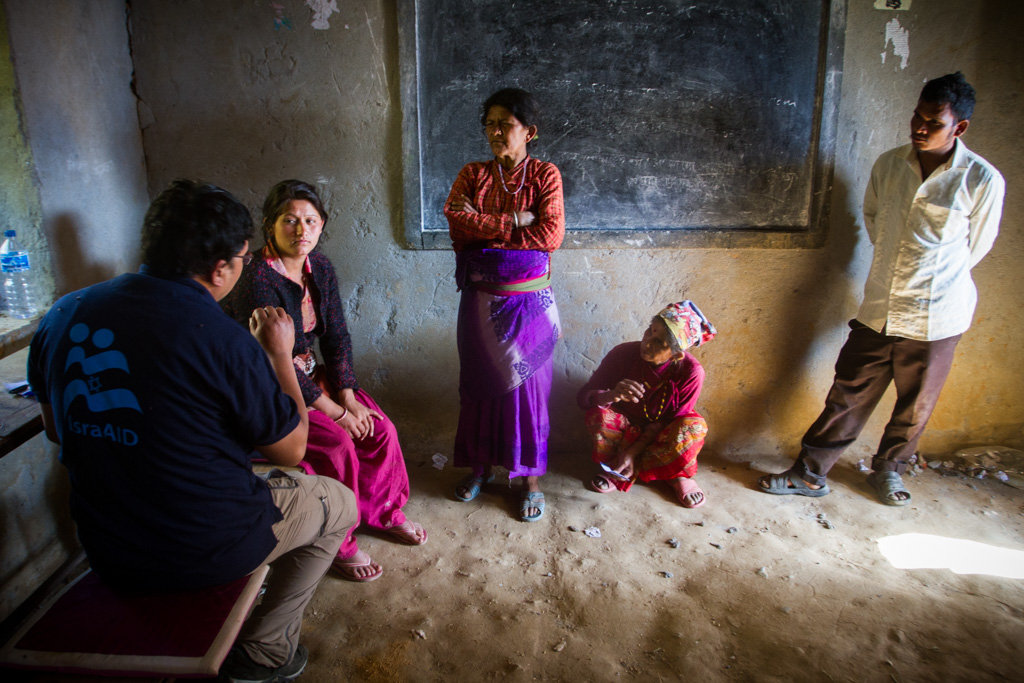
The affected people are often in a state of distress, facing significant life changes, having lost members of their families, caregivers, relatives and friends to the earthquake. This is compounded by loss of livelihoods and fractured social networks in an environment already characterized by high levels of poverty and food insecurity.
Livelihood Recovery: The majority of Nepali households rely on income from farming activities as their primary livelihood. Agricultural losses therefore have a significant impact on the rural population in the affected districts, and the WFP has reported that supporting household in restoring their livelihoods during the next agriculture cycle will be essential. Additionally, with over half of Nepali households owning livestock and depending on it as a source of food and income, loss of livestock and poultry can have a detrimental impact on food security.
According to the UNOCHA Humanitarian Partners Flash Appeal, an “estimated 3.2 million women and children were among those affected by protection concerns."
The Main needs IsraAID response to with HoneyAID project are:
- Income generating activity for home based workers to recover from the loss of livelihood.
- Empower women and inspire them to grow again and become more self-reliance and self-confident by building their capacity and strengthen the resilience of the community
- To improve Agricultural productivity and increase food security
- To enrich the environment by increasing pollination and strengthening the endogenous species
- rebuild their lives.
IsraAID began its operation in Nepal in April 2015. HoneyAID project was initiated from September 2015.
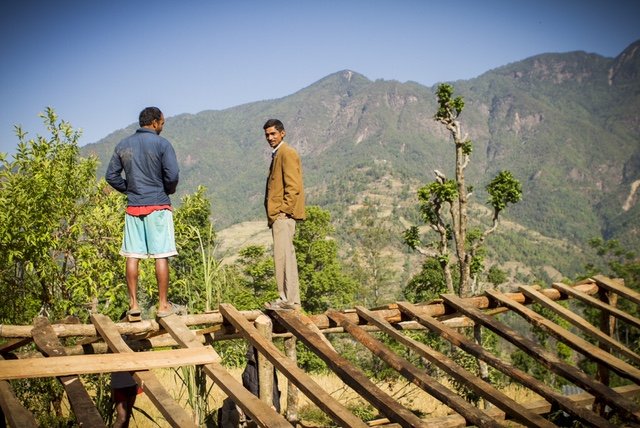
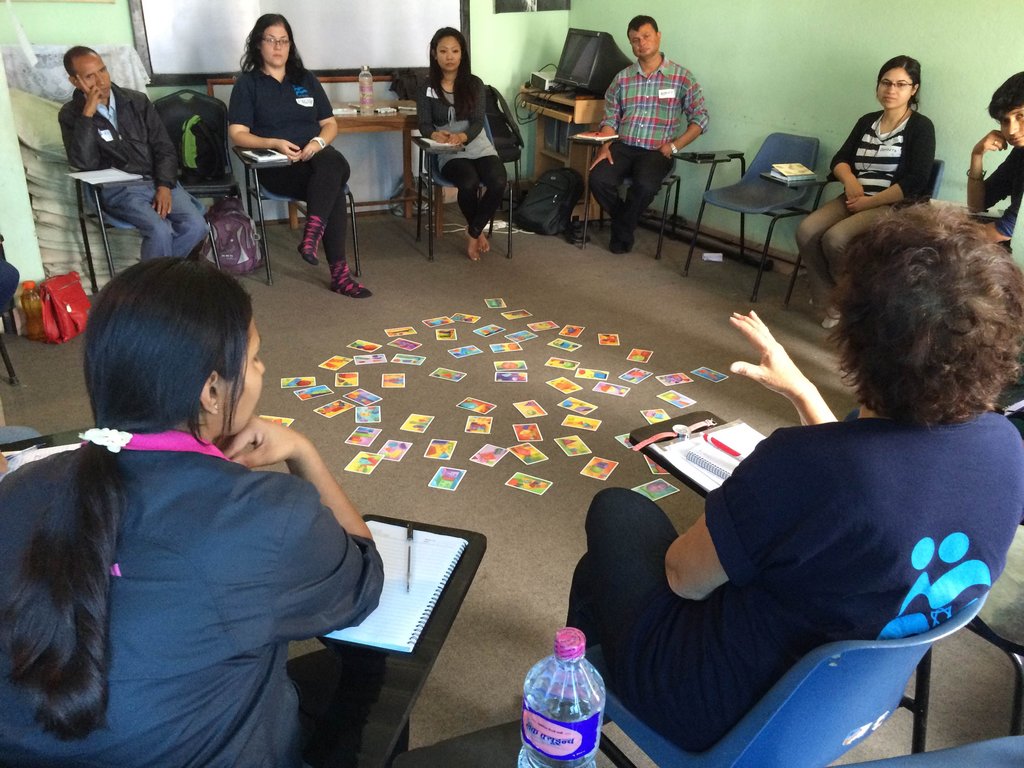
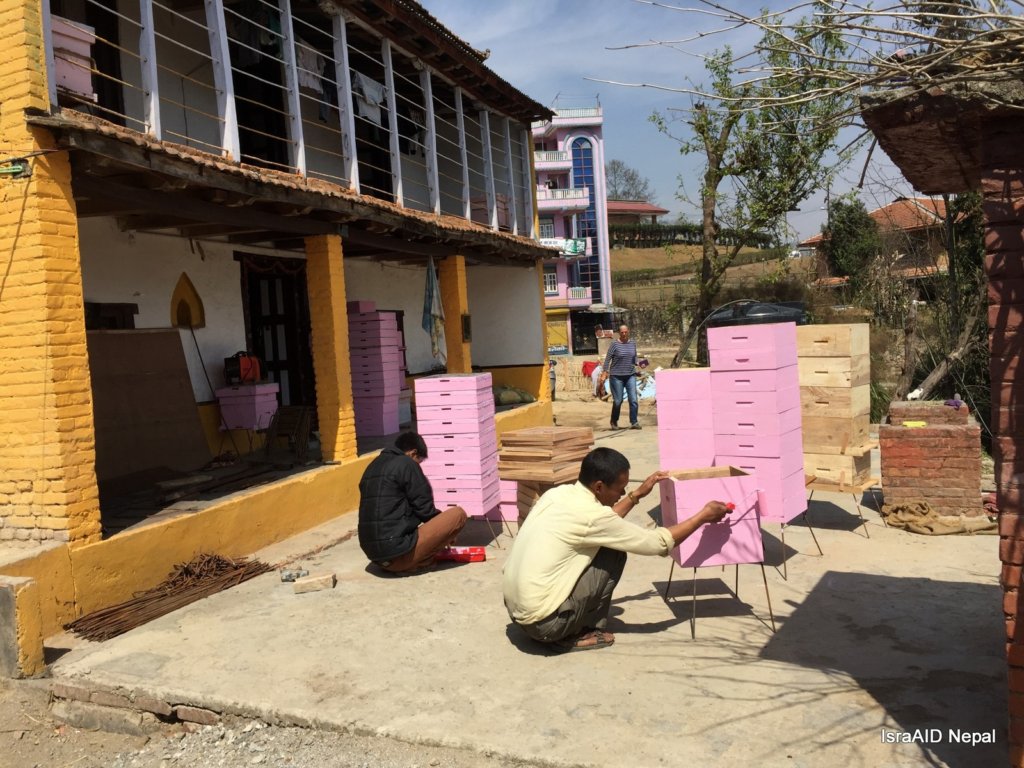
IsraAID work with a local Entity, registered for this project under the name “Maha Shayog” (HoneyAid in Nepali). The Local entity hired a Farm and land and is building itself as a sustainable service center with multipurpose. The center construct and colonialize the Beehives which will be distributed to the women, they will assist in Supervision of the women, training and refreshment sessions, disease management, packaging, Marketing, Developing side products etc.
At the End of the Project, The Service farm will keep operating independently with remote support by IsraAID’s TA. Its income generating activity will include: selling beehives, providing training and TA for third party org and entities, producing honey, visiting center and education activities. The farm will continue its support, supervision, packaging and marketing free services to the women.
The Women cooperative will be following the articles of association strictly and a board of trustee will be established and will include IsraAID representative. In addition, aAudit Committeewith IsraAID Representative will be formed to inspect the cooperatives.
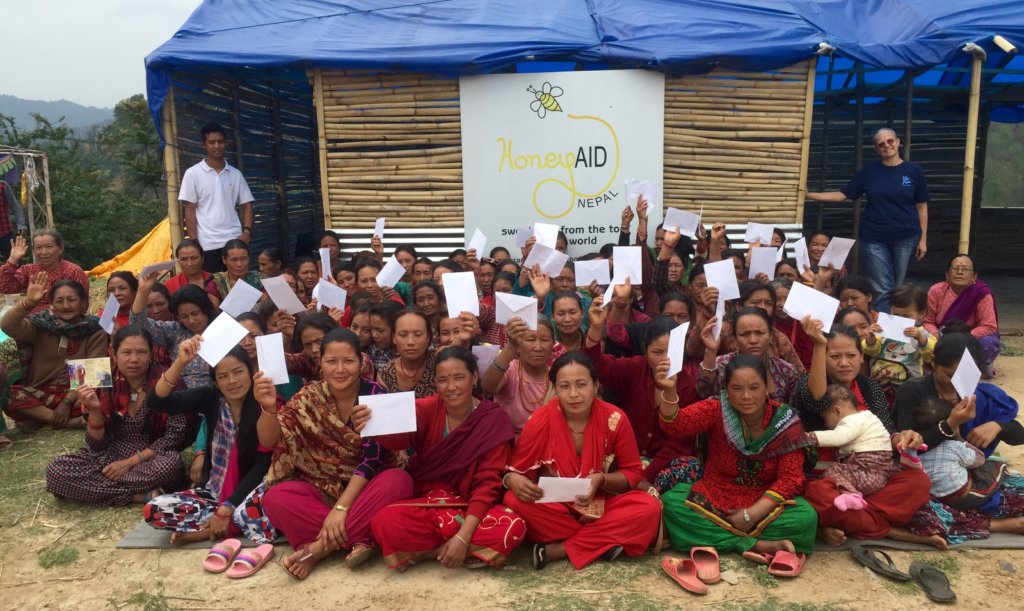
215 women - 124 in Chaturey village and 91 in Salmitar village are the direct beneficaries of this project.The women are from rural villages badly affected by the earthquake, most of them are from the Tamang marginalized and some are Hindu. The age of the women is 16-60 and they all are married and have children. The indirect beneficaries are 1,075 family members.
The main achievements of the program are as follows:
It has uplifted and empowered the women participants, according to interviews and stakeholder meetings conducted with them. The majority testify that they have been feeling better and stronger and proud since they started their beekeeping venture.
First Honey in the market: Creating income (initiating) for the first group of women.
First sale of beehives to 3rd party
First training and beehives manufacturing and distribution to be made entirely by local partners.
Establishing a proper and well-functioning professional manufacturing site.
The main beneficiaries will have source of income and better food security for many years to come.
Organizations and private companies showed interest in hiring HoneyAID trainer and buy Beehives. 2 of them are in discussion on terms and conditions. The Farm members have acquired a unique and needed profession.
MOU is drafted with the largest most important Agriculture University in Nepal for cooperation in research and improvement of the project and beekeeping in Nepal in general.
Starting to develop new products from the Wax (byproduct) – Namely Candles
Future income of the cooperative will be partially used to empower young women in the community – for scholarships and other causes.
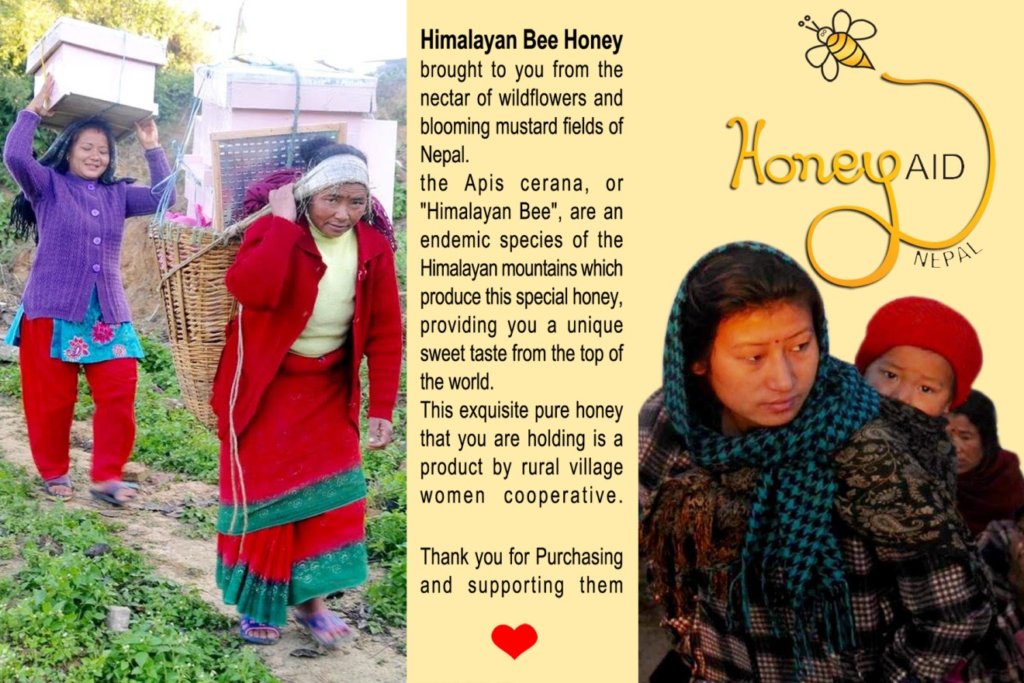
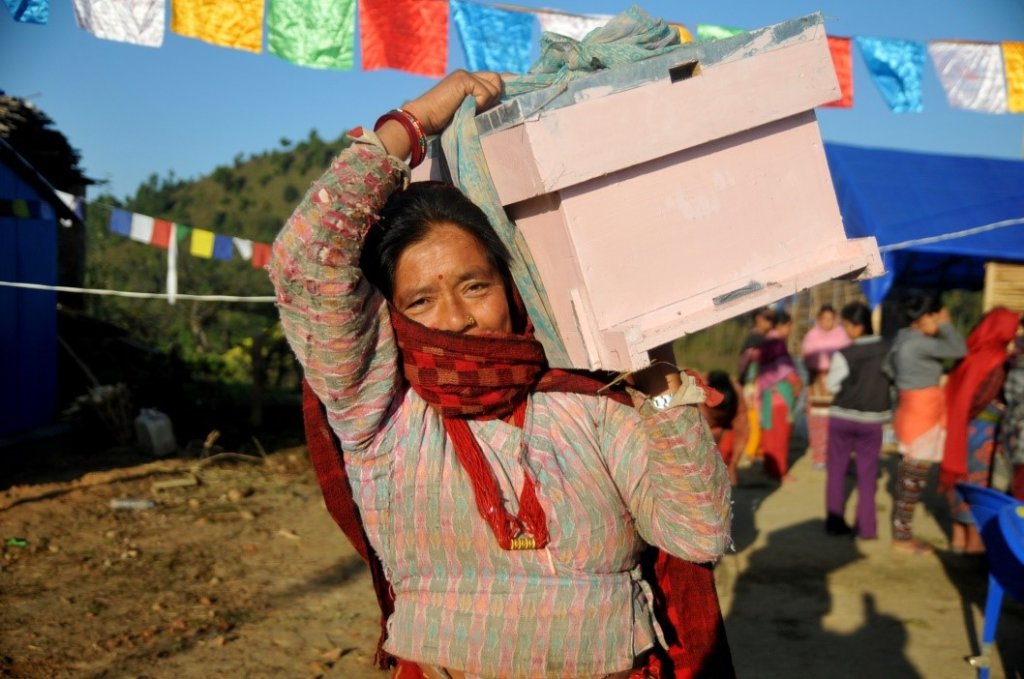
Sonu is a HoneyAID beekeeper, part of the growing group of women who have been empowered by IsraAID with a new role in their communities.
After the devastating earthquake, Sonu felt she was living in the shadows of death and destruction. Stuck in a grueling routine of long hours of household work, she felt there was no hope, no future. All that began to change when Sonu discovered HoneyAID, IsraAID’s beekeeping program.
“When this project entered into our village”, Sonu told us, “women are becoming so active and get involved in the activities of the society.”
HoneyAID equipped Sonu (name changed) with the tools and support needed to care for her family and fully participate in the growing honey industry. She learned how to tend to bees, gather honey, and market the finished product in the city. For the first time, Sonu has something of her own. She is feeling more hopeful and less afraid, ready to take part in the village’s efforts to rebuild.
For next quarter IsraAID intends to do the following:
- Focus on Duplicating beehives and resetting 100 active beehives in the service farm
- Distribute Beehives to the new 3 groups – total 90 women.
- Locate the next locations
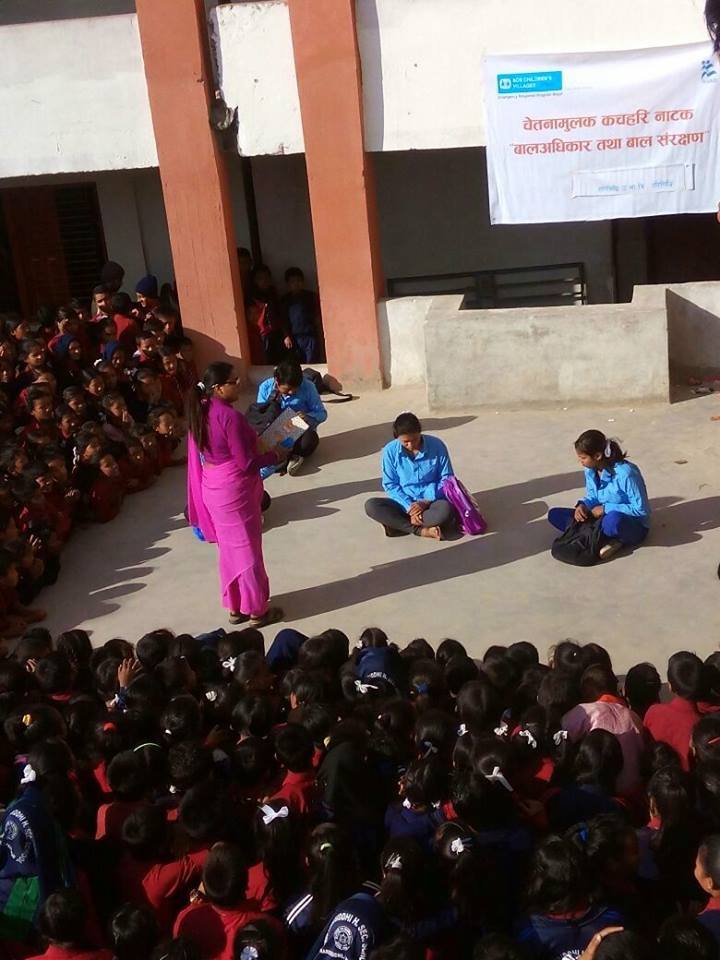
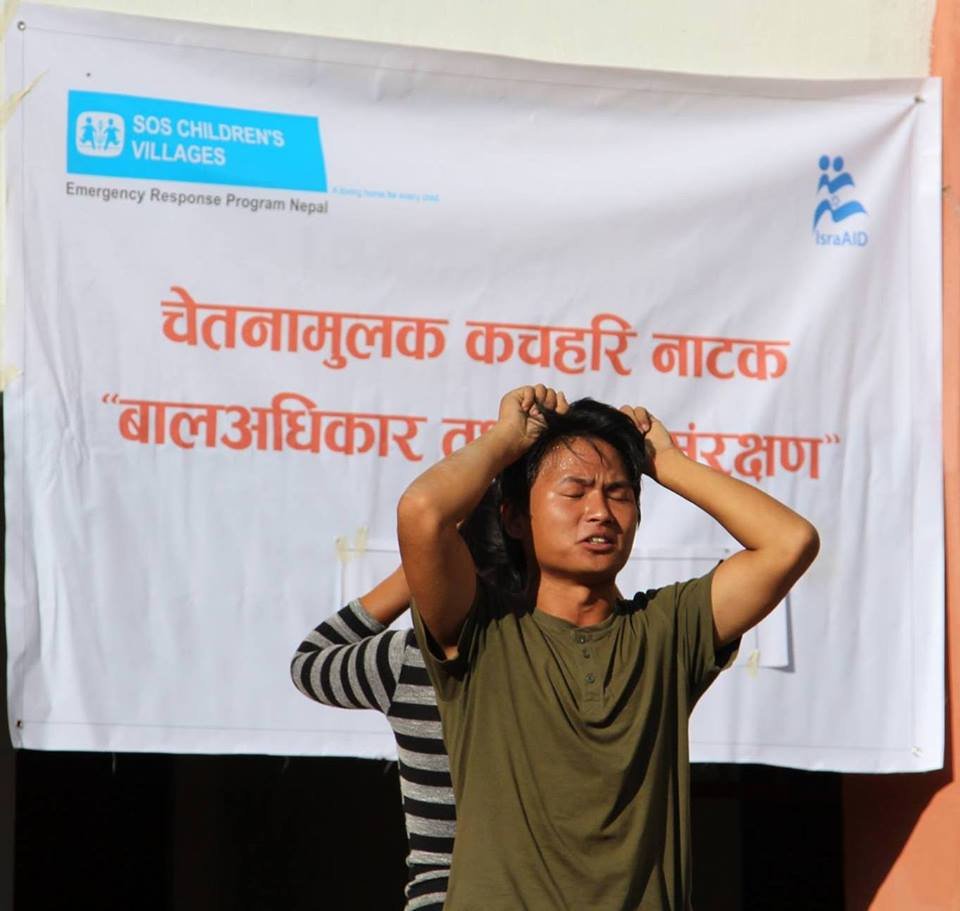
- Sign agreement with new leads and development – University, Spinal injury center, Sos children village
- Improve packaging technique.
- Prepare women and beehives for winter
HoneyAID is one of our flagship projects in Nepal for its innovation and sustainable approach. The project takes a multilayered approach and combines social, economic and environmental components to give enhanced results.
![HoneyAID Hard at Work]()
HoneyAID Hard at Work
![HoneyAID Participants]()
HoneyAID Participants
![HoneyAID]()
HoneyAID
![Share on Twitter]()
![Share on Facebook]()