By Katie Woodroffe | GVI Phang Nga, Conservation Coordinator
Dear Supporters,
As each day passes, the oceans feel more and more pressure from our ever-growing and ever-wasteful population and because of this, across the world, the diversity and health of ecosystems continues to hang in the balance. Thailands coastlines still, in a few areas, hold a rich amount of biodiversity especially around the coral reefs and the Andaman sea, in particular, is home to the most diverse collection of marine life in the world.
Today we want to tell you a bit about some of the amazing shark species that we are working to protect.
These coral reefs are ancient ecosystems, forming over 240 million years ago and providing a home to over 4,000 species of fish. The coral reefs and their inhabitants attract divers from all over the world, however, they are not just visiting for the stunning reefs and colourful fish, the big draw is the chance of diving with sharks; these incredible creatures that have been around for more than 400 million years.
Whale Sharks
Whale sharks are the largest fish in the world and will grow up to 12 metres (40 feet) in length. As with all sharks, their nature is harmless to humans, with Whale sharks feeding on plankton and small fish they filter as they swim. These gentle giants are rare, so sightings are extremely special and often mesmerise divers as they approach out of the blue.
We have been working tirelessly on distributing Whale Shark Code of Conduct posters to all of the local dive shops and making sure that all the dive boats have the code of conduct on board. This is in an effort to educate people on the best practices for interacting with these magnificent creatures so that we don't cause them harm or unnecessary stress.
Leopard Sharks
Leopard sharks spend most of their day resting on the sandy bottom at the edge of a reef, feeding on the bottom feeders like crabs and shrimp and hunting at night. Unlike other species of shark, Leopard sharks do not need to swim to be able to breath; they have a unique skill which allows them to pump water over their gills.
Tawny Sharks
Tawny nurse sharks are found across the coastlines of the indo-pacific and prefer reefs, sandy flats and sea grass beds. They are thought to be specialist feeders, preying on octopus but may also include other food items like corals, sea urchins, crustaceans and squid. It sleeps in a favourite crevice during the day and awakens at night to hunt. Unfortunately, the Tawny nurse shark resides in inshore waters which are heavily fished leading to a high number of incidents of accidental capture and entanglement in trawls, gill nets and baited hook and line.
It is not just the Tawny nurse shark which is suffering from human pressures.
All species found in the oceans surrounding Thailand are implicated by many human activities such as overfishing (and bycatch). Sharks are apex predators, controlling the population dynamics of species within the food chain below them. The health of the reefs relies on a healthy population and variety of shark species.
What we've been doing
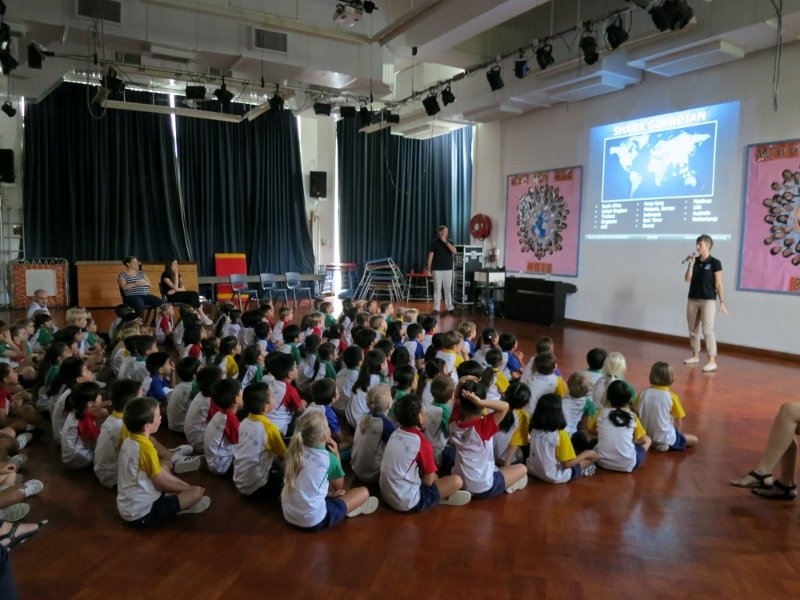
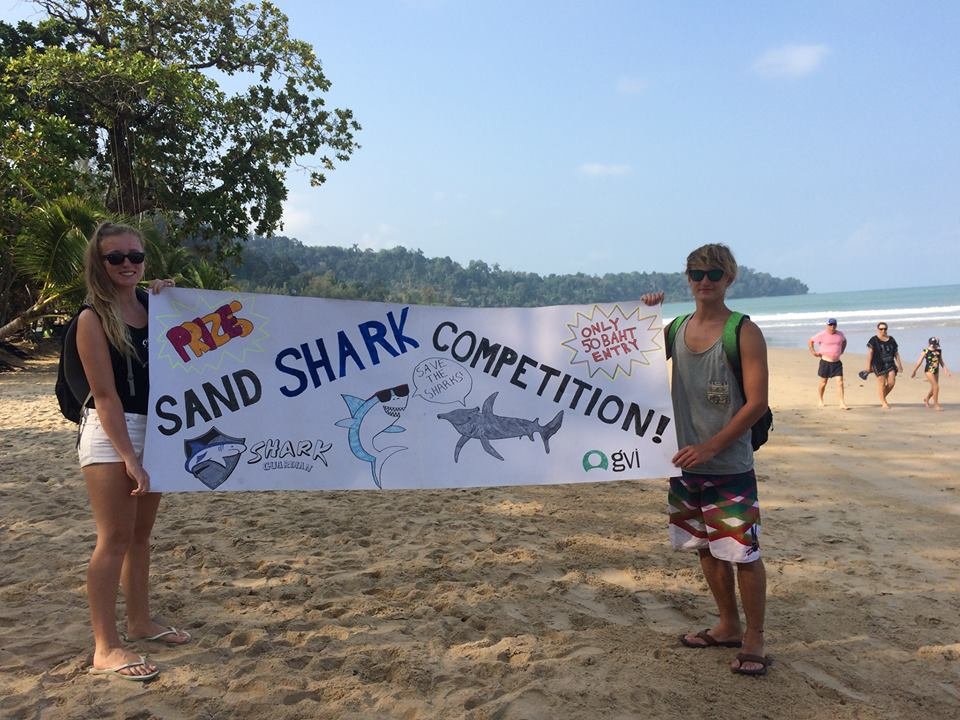
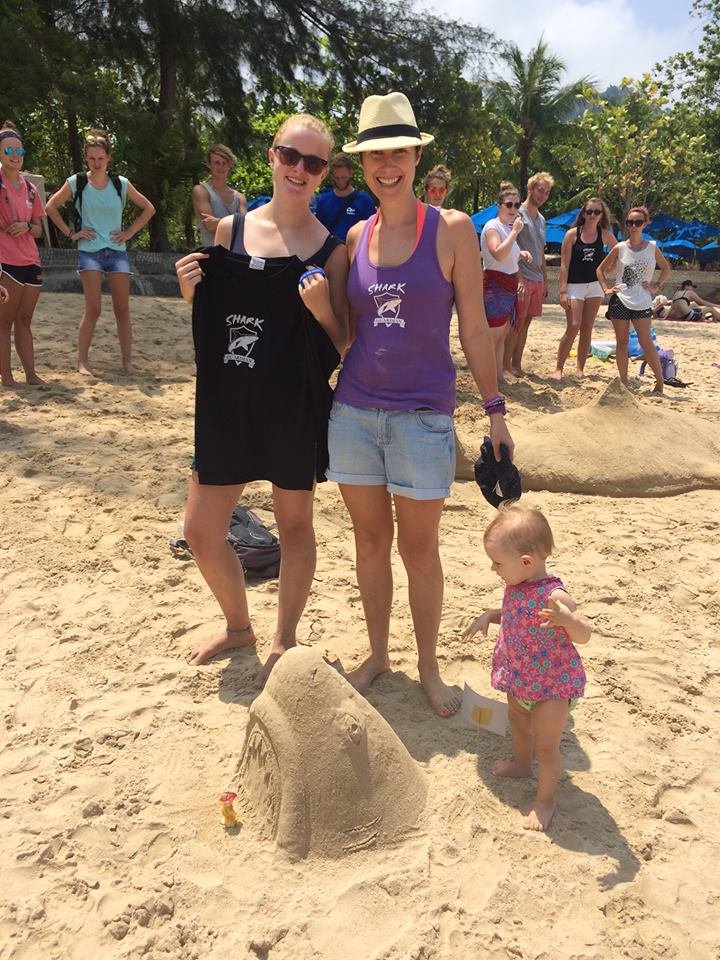
We can all do our bit to help protect these kings of the oceans and we are grateful for your donations which have been helping us create awareness locally about sharks and shark conservation. We have distributed our Whale Shark Codes of Conduct, visited numerous schools to talk about the importance of sharks in the oceans, started a campaign to create awareness of the implications of shark fin soup and we are currently having a book on shark conservation translated into Thai, printed and distributed to local schools and communities.
What you can do
Do not buy or consume products which contain shark meat, oppose restaurants that sell shark meat, educate yourself and others about the ecological importance of these impressive creatures and support organisations and charities like Shark Guardian who are working unbelievably hard to give sharks a fighting chance.
Thanks for your generous support!
With Gratitude,
GVI Thailand
Links:
By Katie Woodroffe | GVI Phang Nga Project Coordinator
By Kate Robey | Charitable Trust Operations Manager
Project reports on GlobalGiving are posted directly to globalgiving.org by Project Leaders as they are completed, generally every 3-4 months. To protect the integrity of these documents, GlobalGiving does not alter them; therefore you may find some language or formatting issues.
If you donate to this project or have donated to this project, you can receive an email when this project posts a report. You can also subscribe for reports without donating.



Support this important cause by creating a personalized fundraising page.
Start a Fundraiser