By Isabel Chandoqui | Project Leader
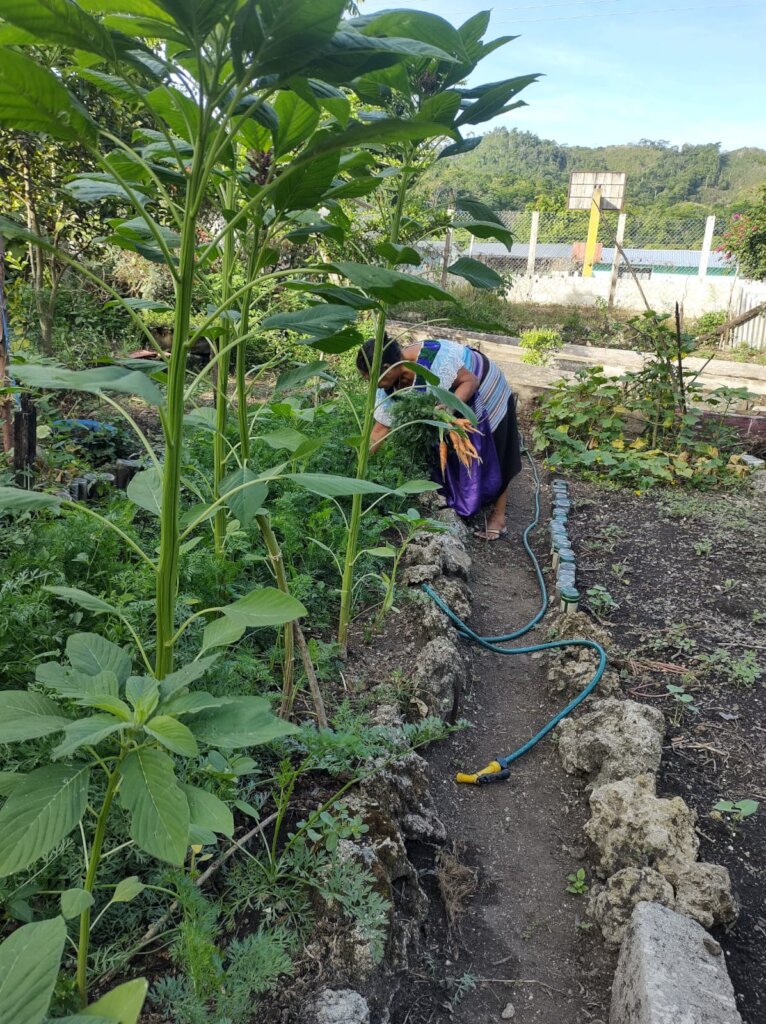
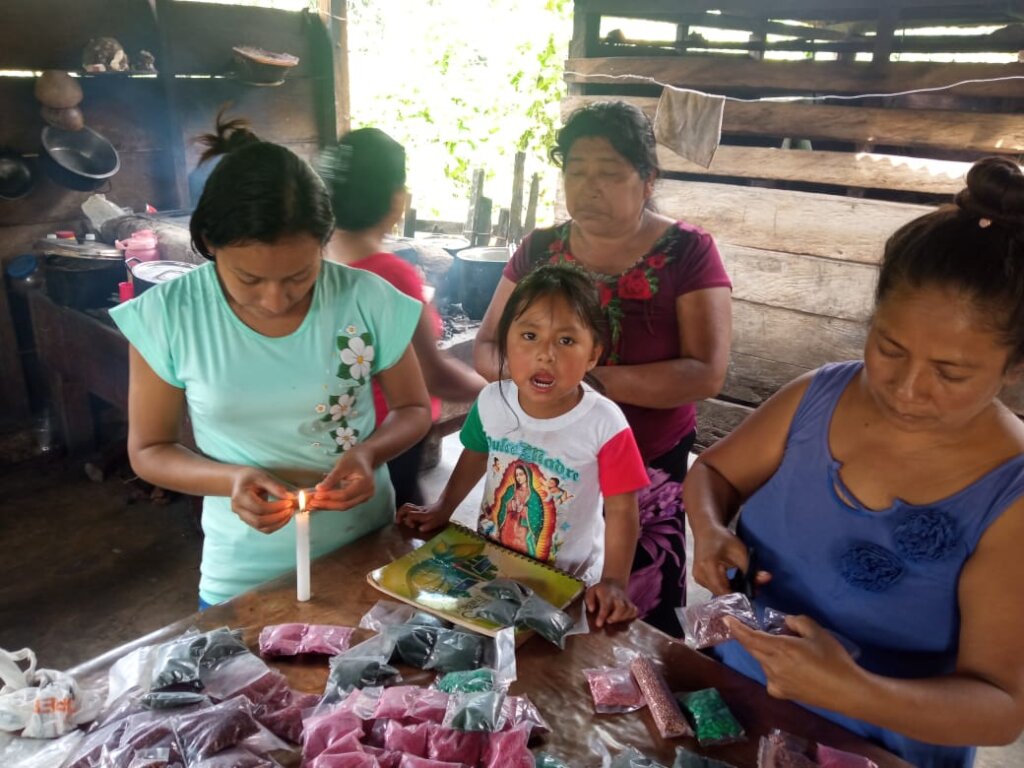
Durante estos meses se llevaron a cabo acciones de seguimiento, capacitación y acompañamiento orientado a mejorar la salud infantil, fortalecer el uso adecuado de ecotecnologías y consolidar procesos de autogestión en los hogares.
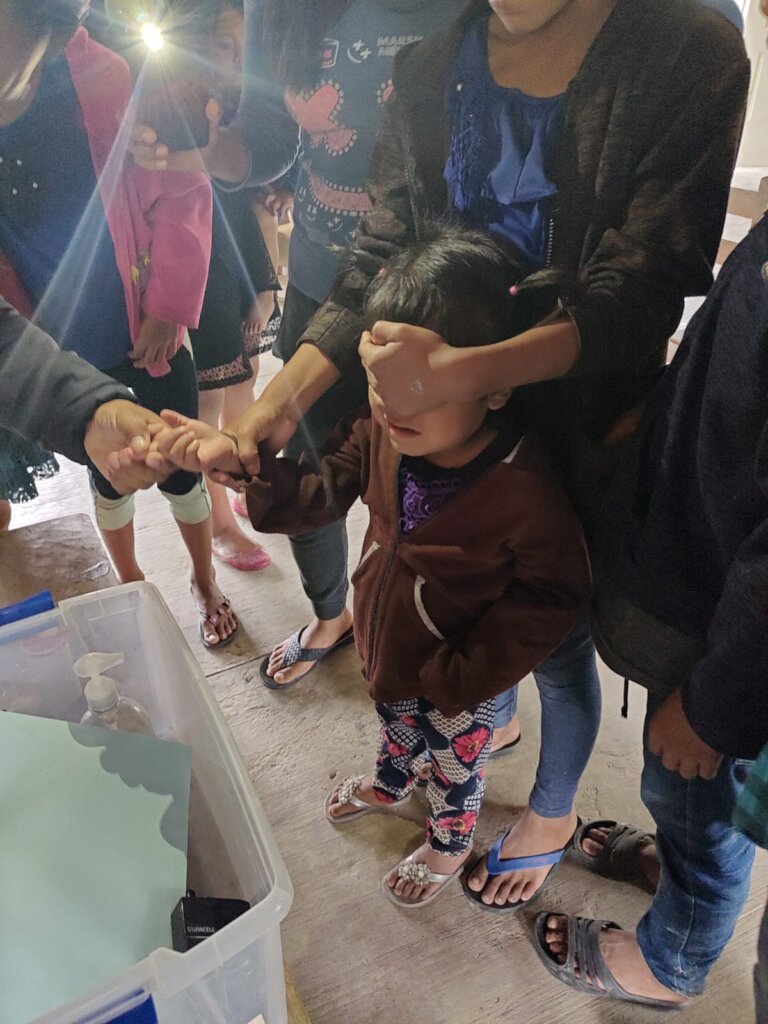
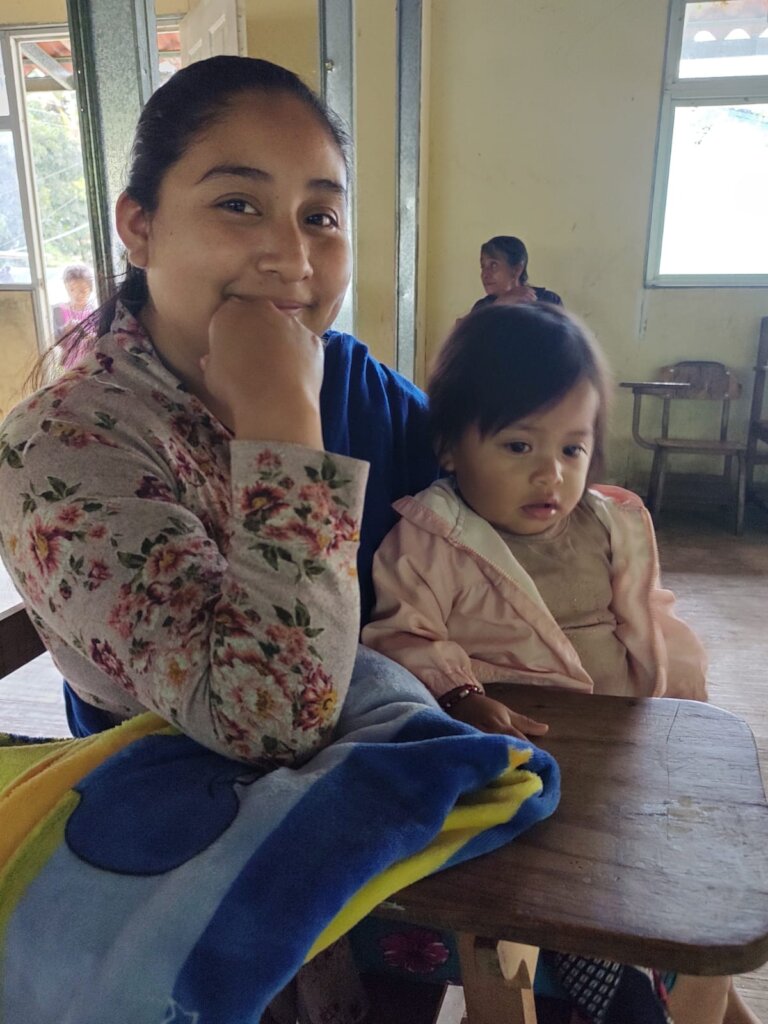
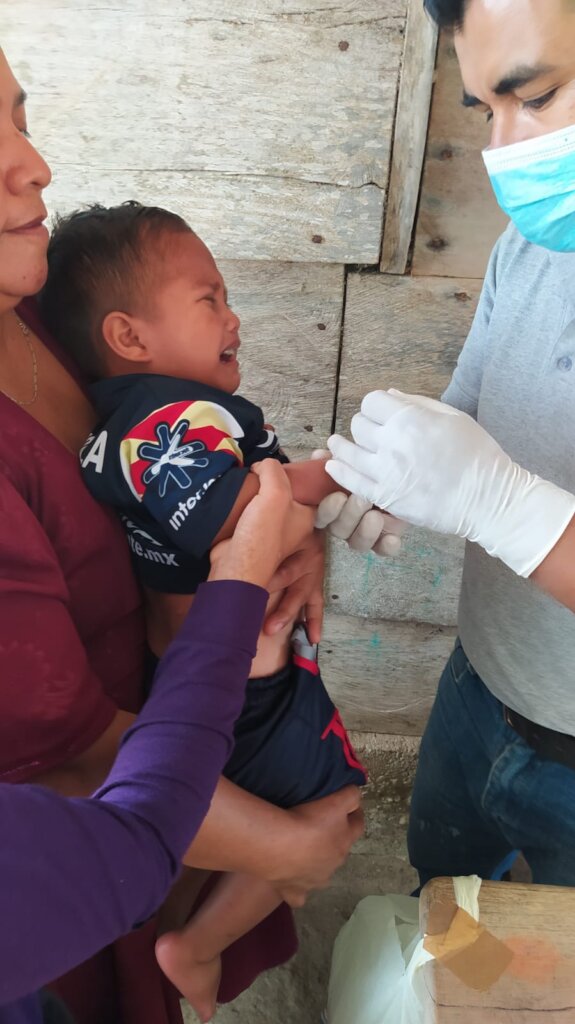
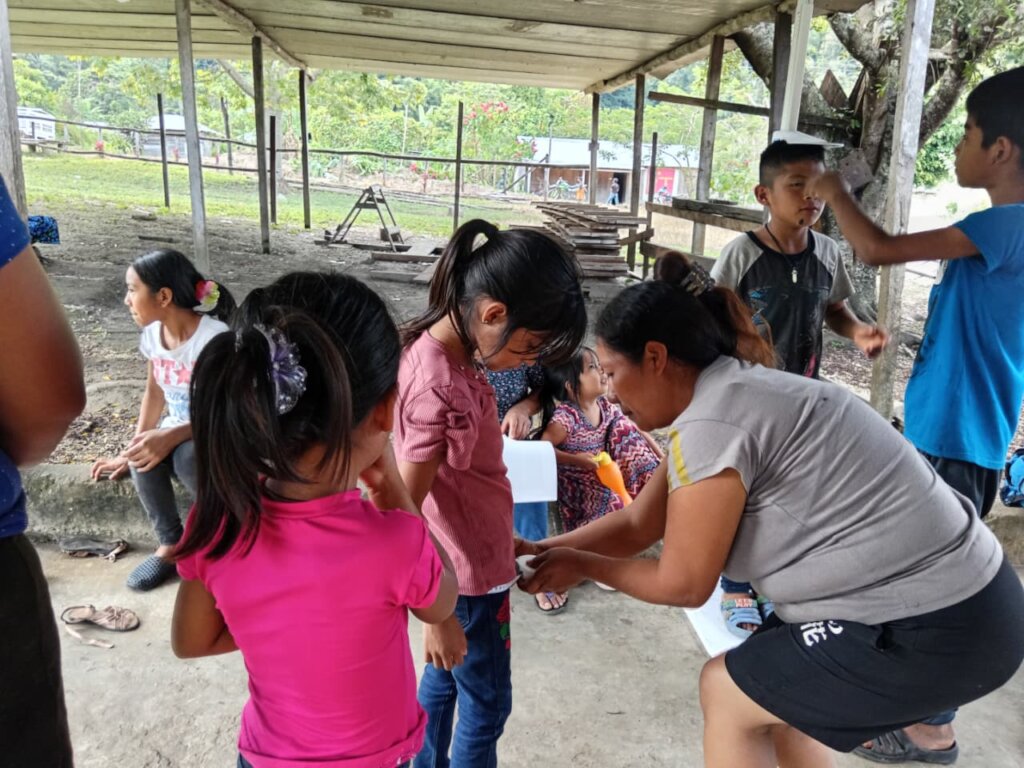
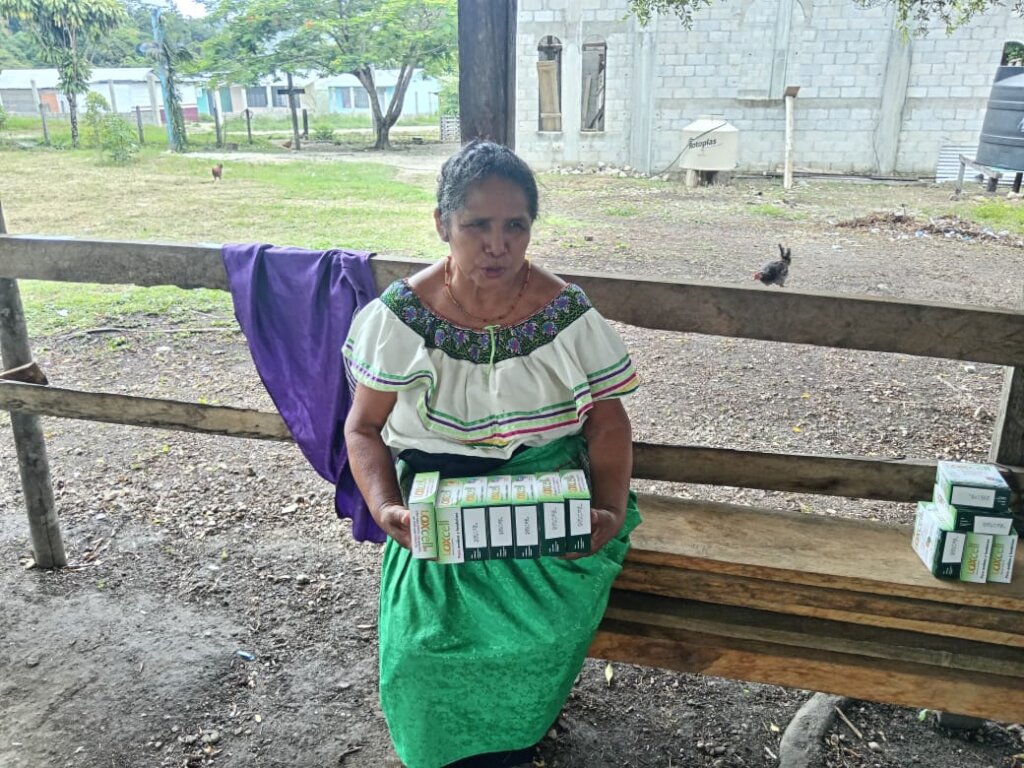
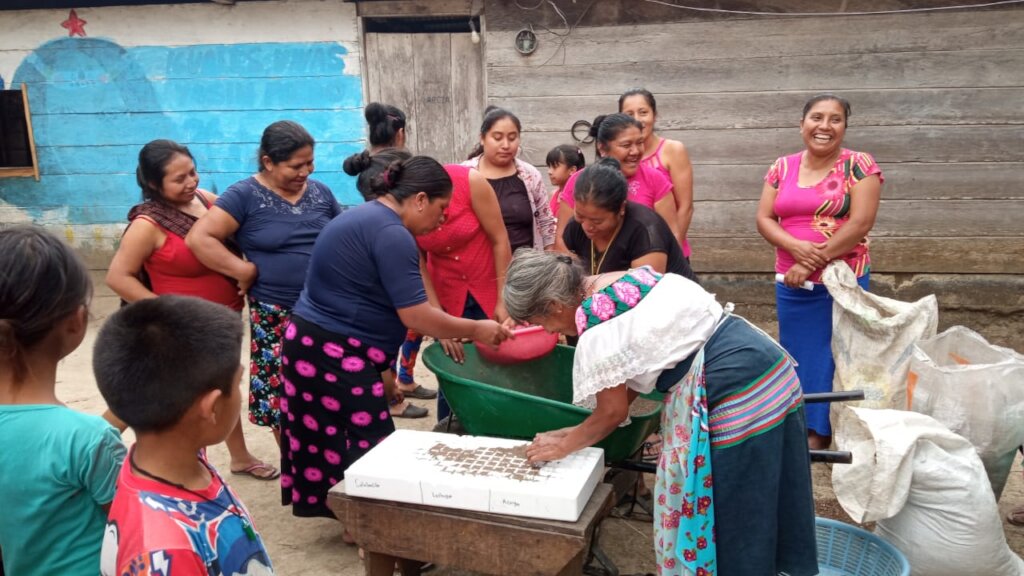
Se dio seguimiento a niñas y niños previamente detectados con anemia, con el objetivo de verificar la correcta toma del fumarato ferroso y reforzar la importancia de una alimentación adecuada. Para ello, se revisó el apartado de “consumo frecuente de alimentos” de la cartilla, como una herramienta para que las madres reflexionaran sobre la dieta de sus hijas e hijos y realizaran ajustes positivos.
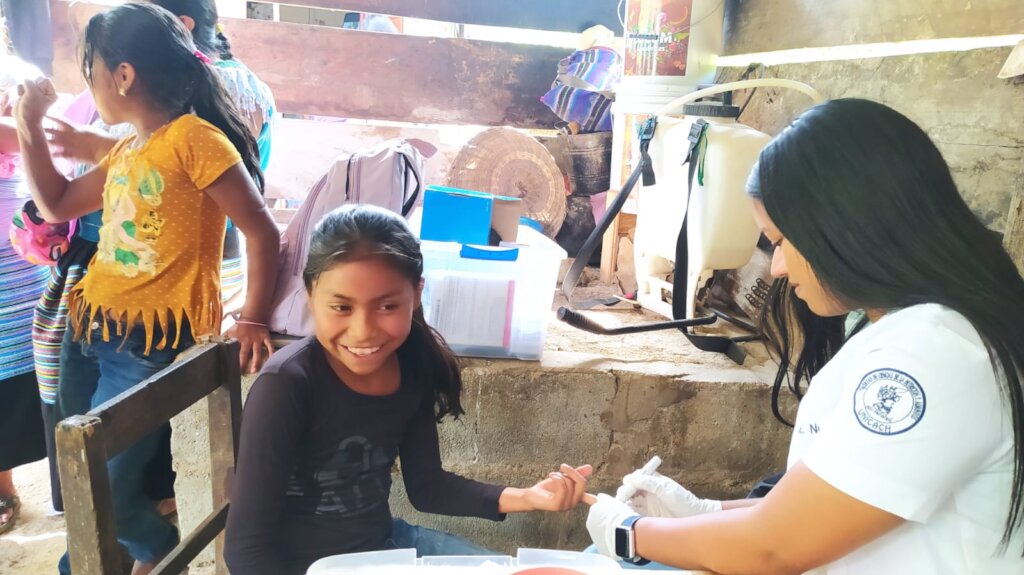
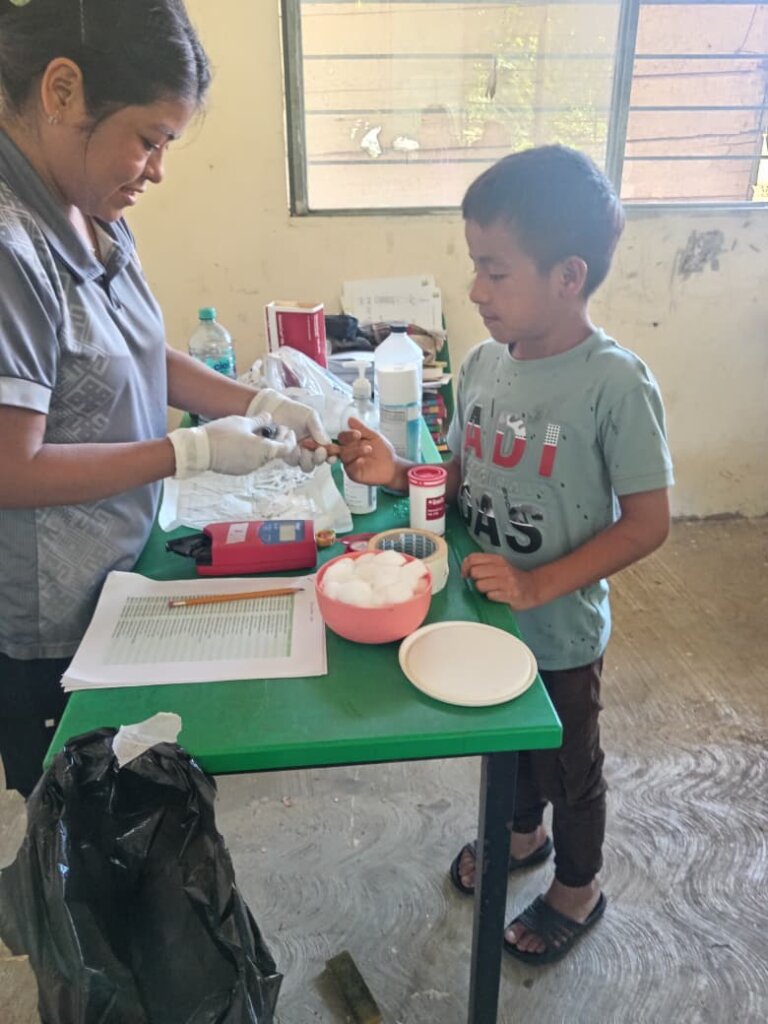
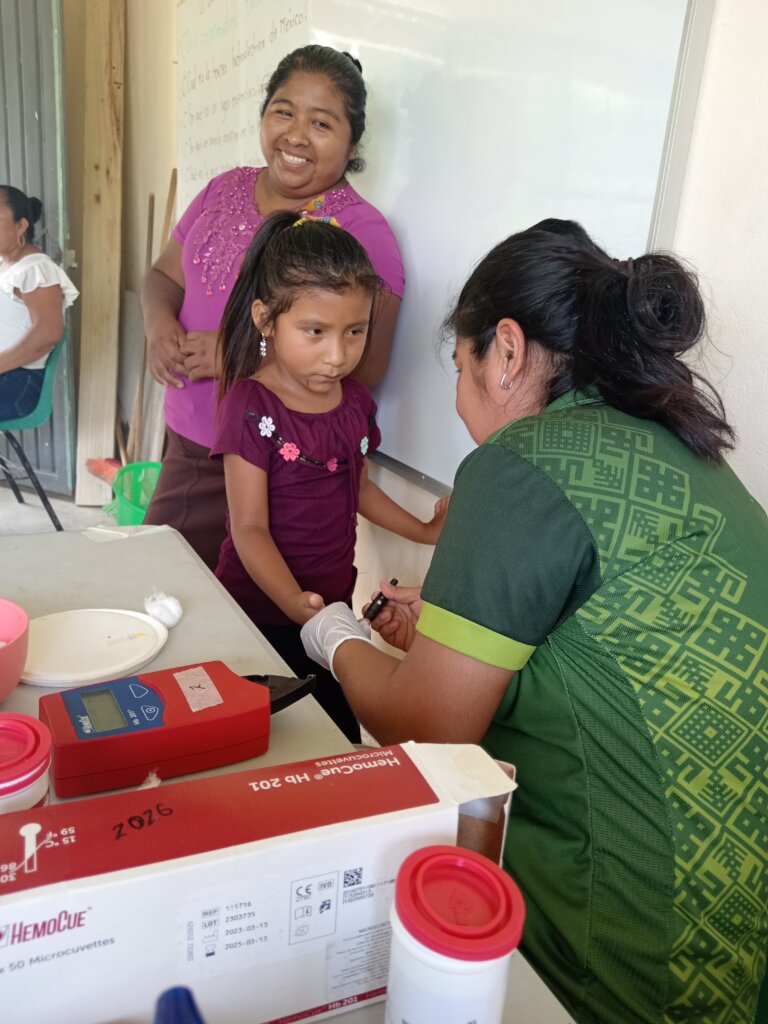
Previo a las jornadas, se brindaron indicaciones a las jtijawetik, quienes apoyaron en la organización del proceso, la toma de medidas y la participación ordenada de las y los niños. Se realizaron mediciones antropométricas (peso, talla y circunferencias) y pruebas de hemoglobina. Las madres mostraron interés en conocer los resultados y dar seguimiento a la salud de sus hijos.
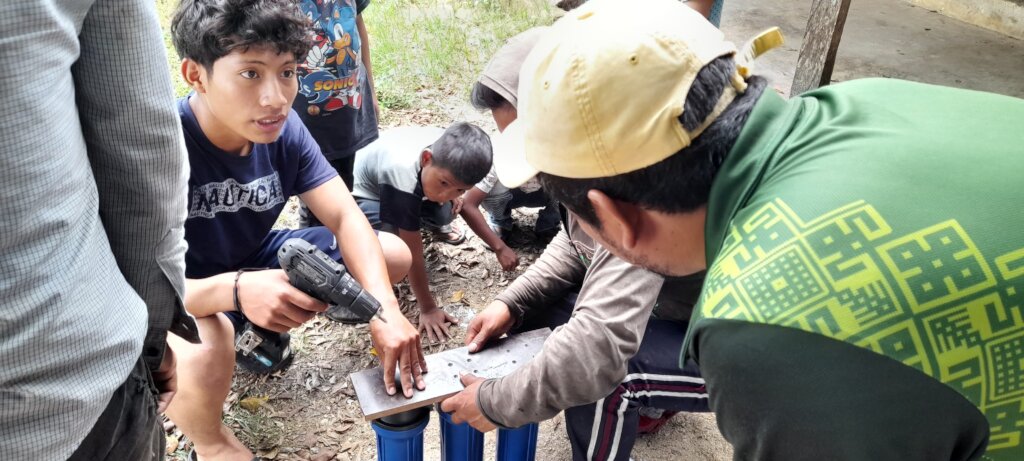
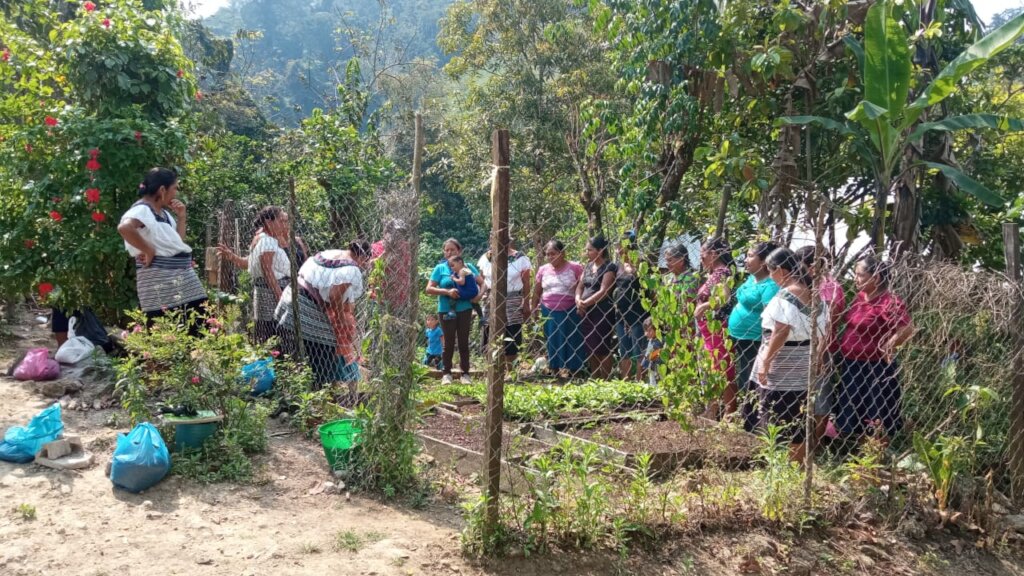
Se llevó a cabo la instalación y seguimiento de filtros purificadores de agua mediante un enfoque participativo. Las familias colaboraron en la instalación, aprendieron sobre el uso y mantenimiento del sistema y reflexionaron sobre la importancia del consumo de agua potable para la prevención de enfermedades. En algunos casos, las instalaciones se reprogramaron debido a lluvias intensas, entregando previamente los materiales necesarios.
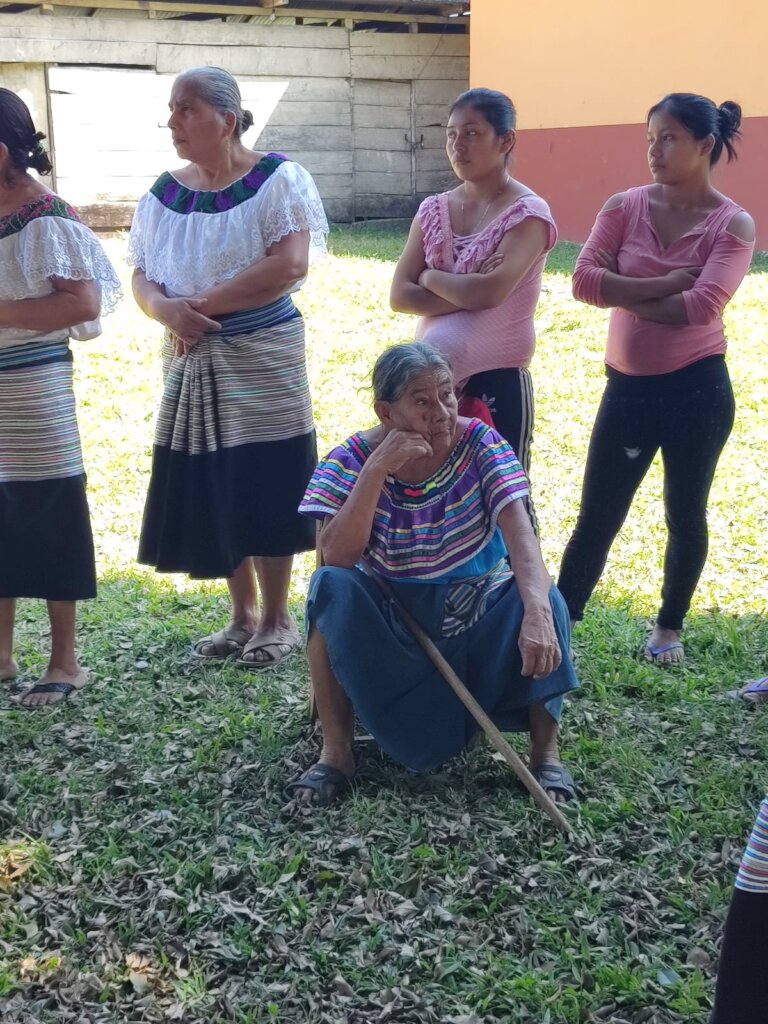
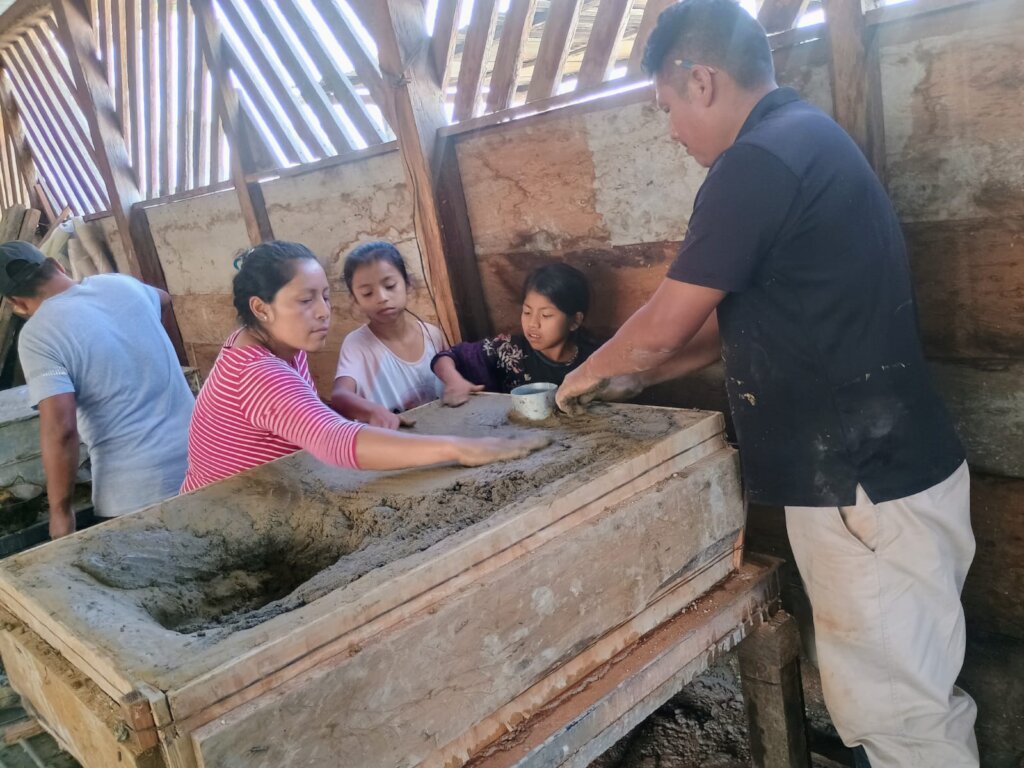
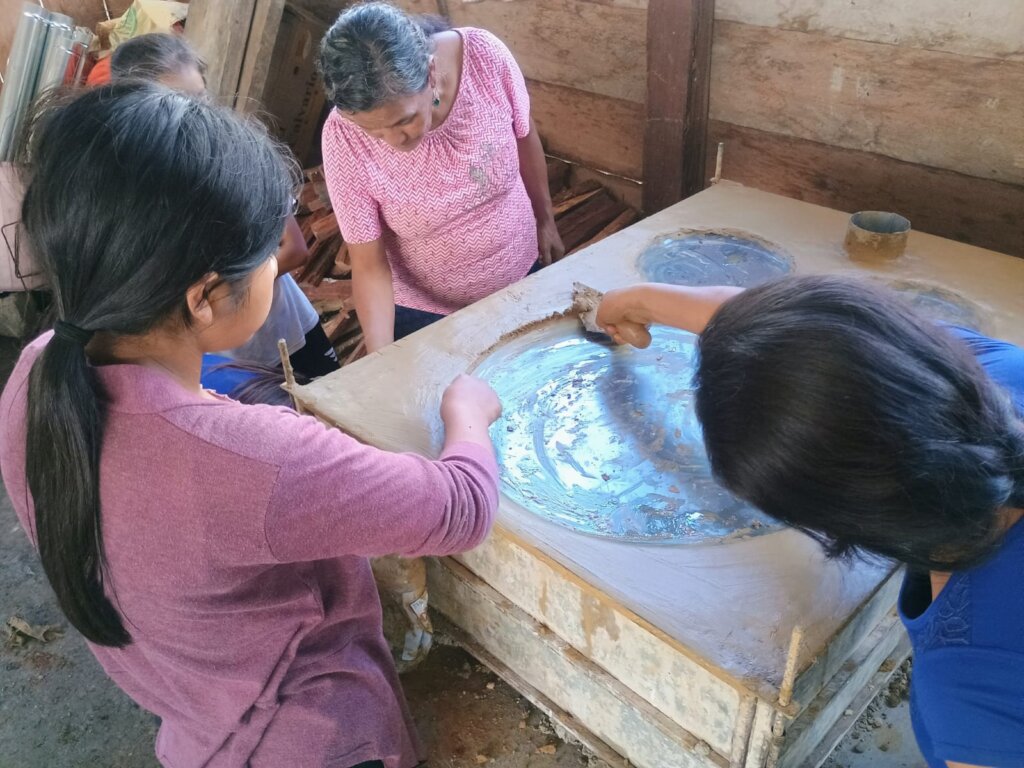
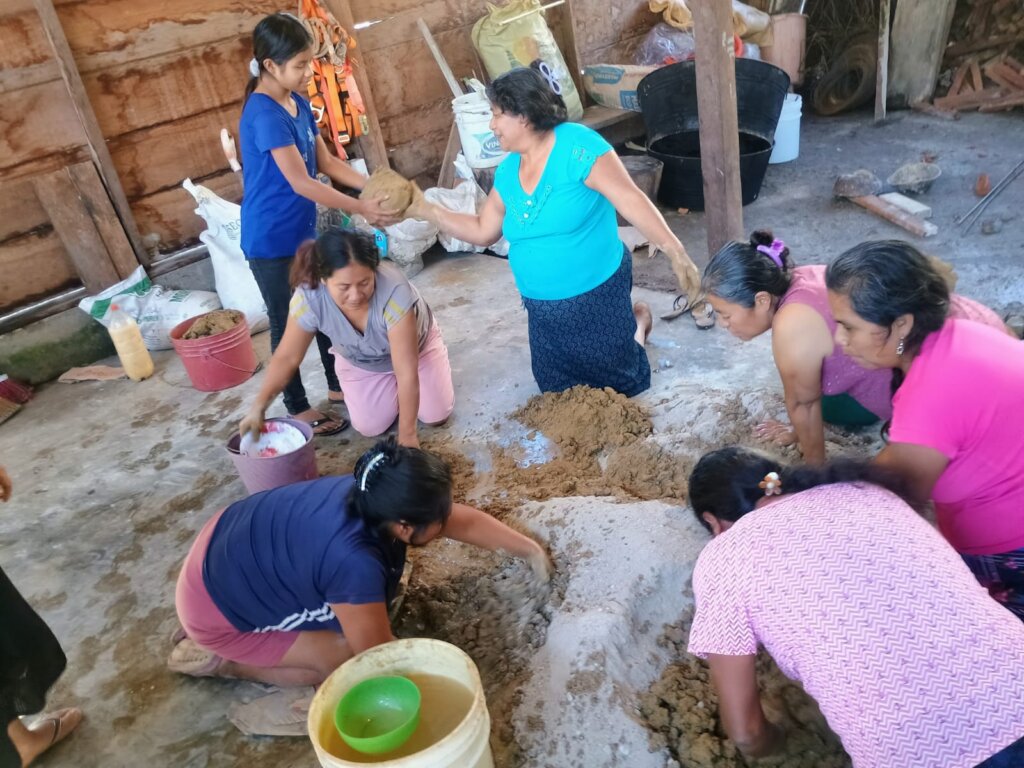
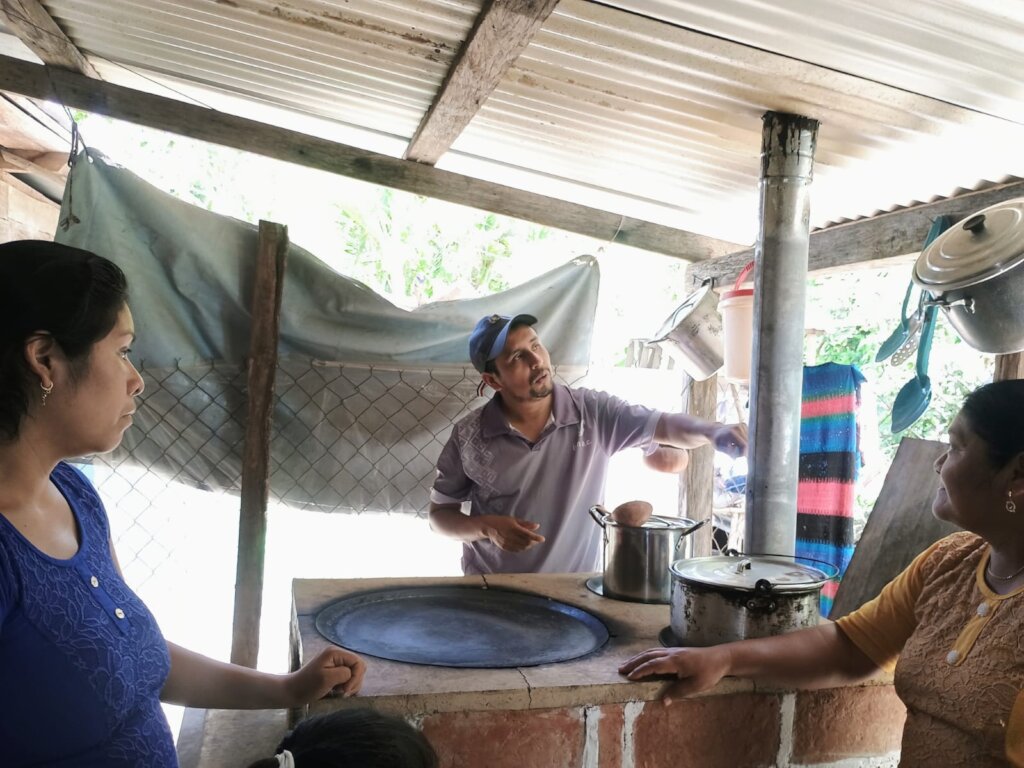
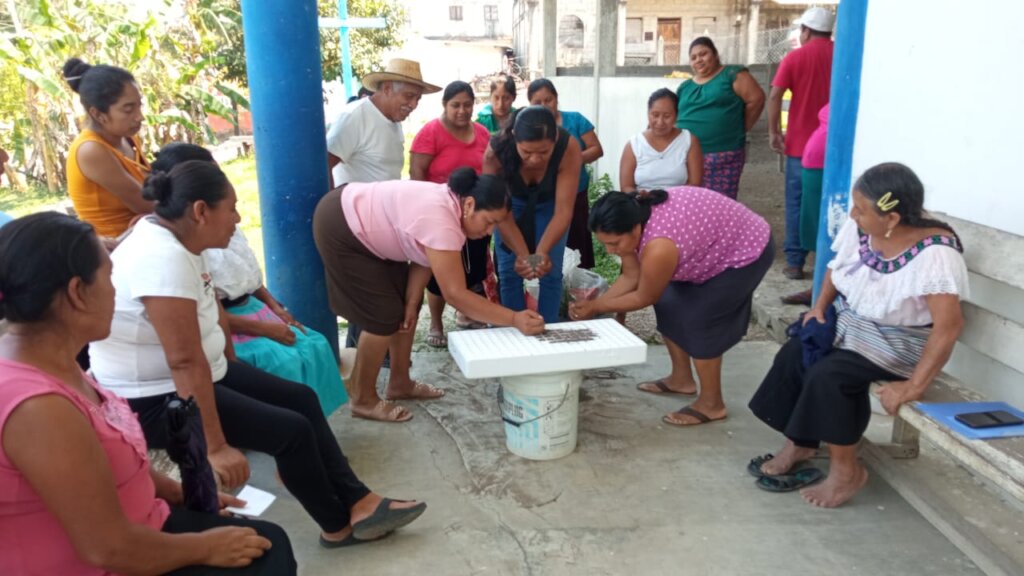
Asimismo, se realizaron talleres teóricos y prácticos sobre el uso y mantenimiento de fogones Patsarí. Las participantes destacaron la reducción del humo dentro del hogar, el menor consumo de leña y la mejora en la salud familiar. A través del intercambio de experiencias, varias mujeres manifestaron su decisión de dejar de utilizar el fogón tradicional.
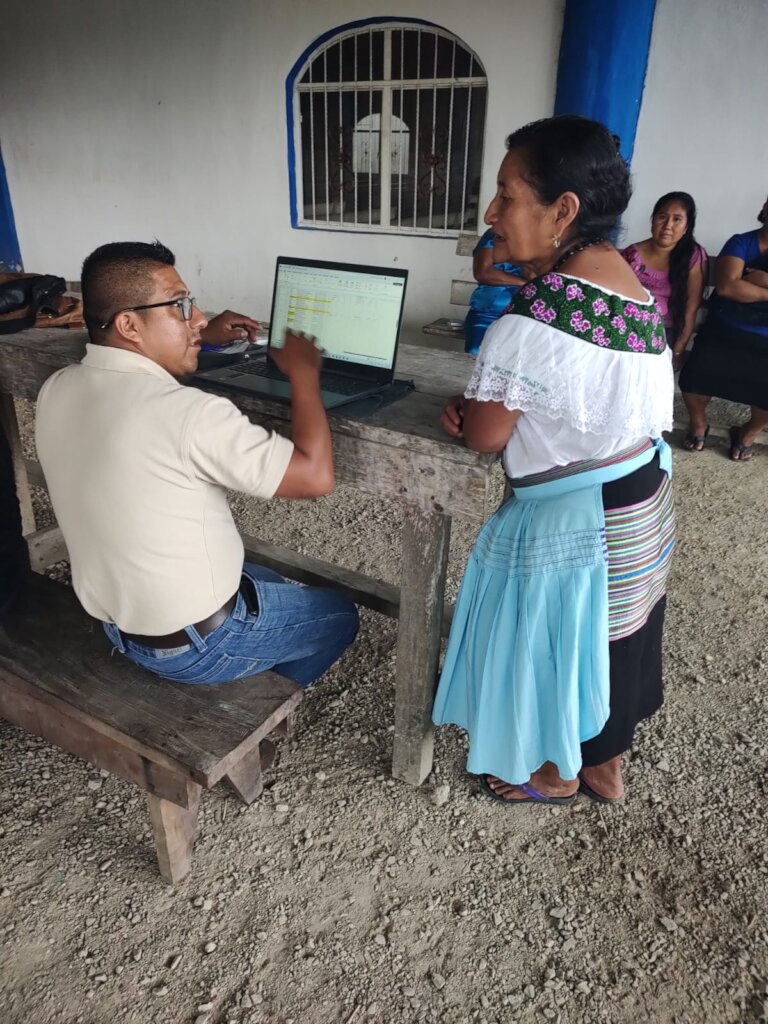
De acuerdo con el reglamento del grupo, se efectuó un monitoreo semestral del uso de ecotecnologías mediante visitas domiciliarias, registrando la información en la cartilla de Hogar Tseltal Saludable y dialogando con las familias sobre los beneficios y retos en su uso cotidiano
____________
During these months, follow-up actions, training sessions, and accompaniment activities were carried out with the aim of improving child health, strengthening the proper use of ecotechnologies, and consolidating self-management processes within households.
Follow-up was conducted with girls and boys previously identified with anemia in order to verify the correct intake of ferrous fumarate and to reinforce the importance of adequate nutrition. For this purpose, the “frequent food consumption” section of the health card was reviewed as a tool to encourage mothers to reflect on their children’s diets and make positive adjustments.
Prior to the field activities, guidance was provided to the jtijawetik, who supported the organization of the process, the taking of measurements, and the orderly participation of the children. Anthropometric measurements (weight, height, and circumferences) and hemoglobin tests were carried out. Mothers expressed interest in learning about the results and continuing to follow up on their children’s health.
The installation and follow-up of water purification filters were carried out using a participatory approach. Families collaborated in the installation process, learned about the proper use and maintenance of the system, and reflected on the importance of consuming safe drinking water to prevent disease. In some cases, installations were rescheduled due to heavy rainfall, with materials delivered in advance.
Likewise, theoretical and practical workshops were conducted on the use and maintenance of Patsarí stoves. Participants highlighted the reduction of smoke inside the home, lower firewood consumption, and improvements in family health. Through the exchange of experiences, several women expressed their decision to stop using traditional stoves.
In accordance with the group’s internal regulations, semiannual monitoring of the use of ecotechnologies was carried out through household visits, recording information in the Hogar Tseltal Saludable booklet and engaging in dialogue with families about the benefits and challenges of their everyday use.
Links:
By Isabel Chandoqui | Project Leader
By Ana V. Olvera | Projects Coordinator
Project reports on GlobalGiving are posted directly to globalgiving.org by Project Leaders as they are completed, generally every 3-4 months. To protect the integrity of these documents, GlobalGiving does not alter them; therefore you may find some language or formatting issues.
If you donate to this project or have donated to this project, you can receive an email when this project posts a report. You can also subscribe for reports without donating.



Support this important cause by creating a personalized fundraising page.
Start a Fundraiser