By Michele Bornstein | Country Director Sierra Leone
Background
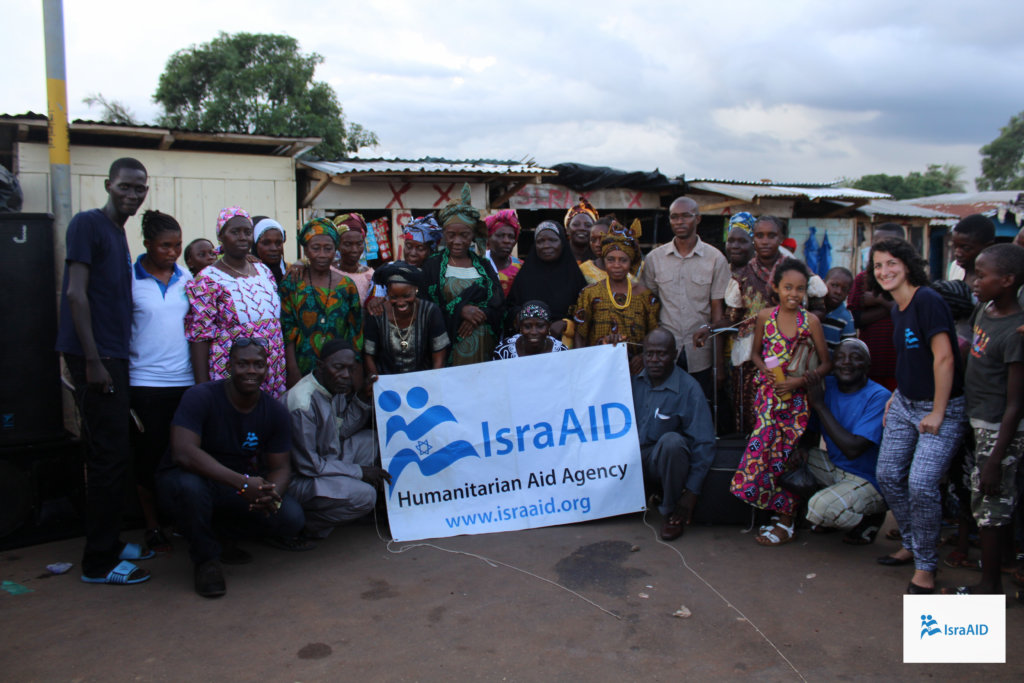
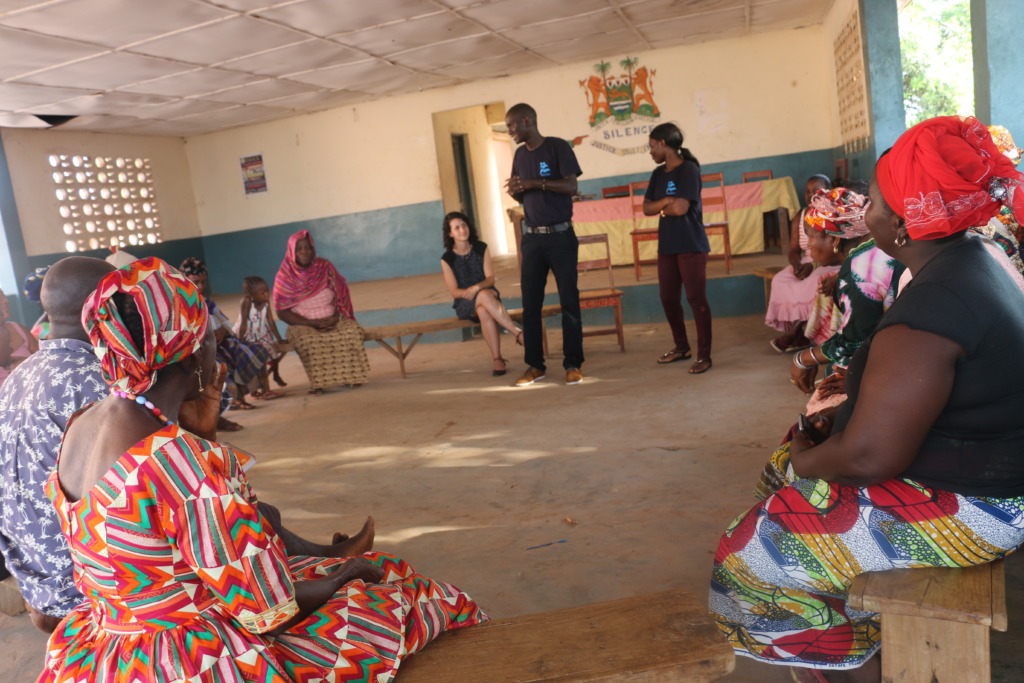
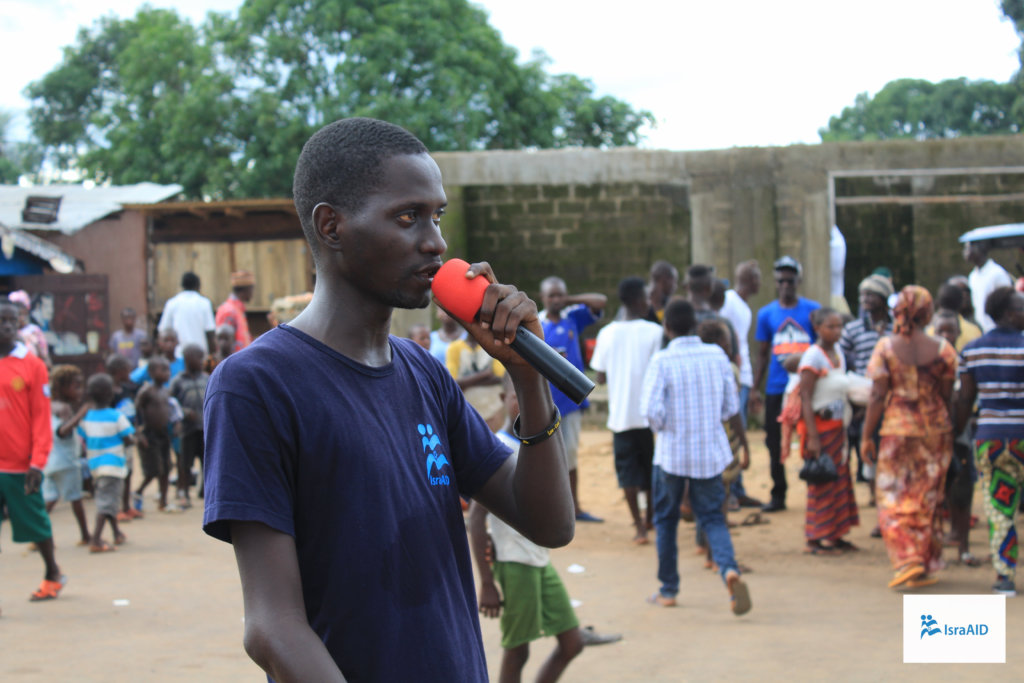
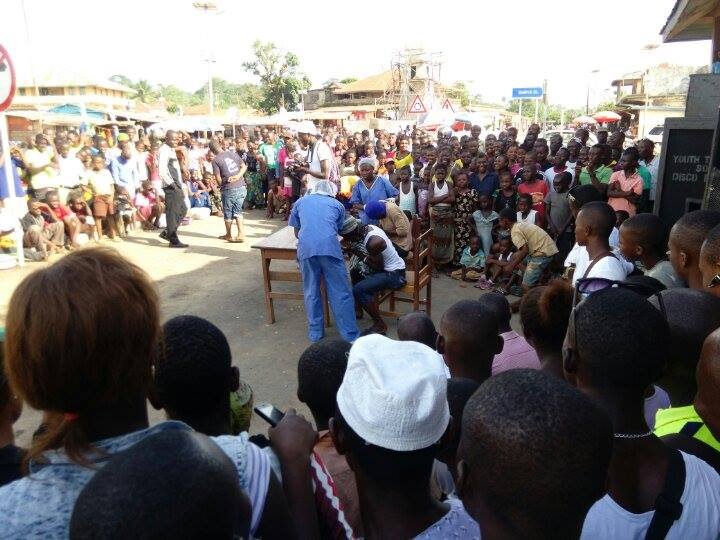
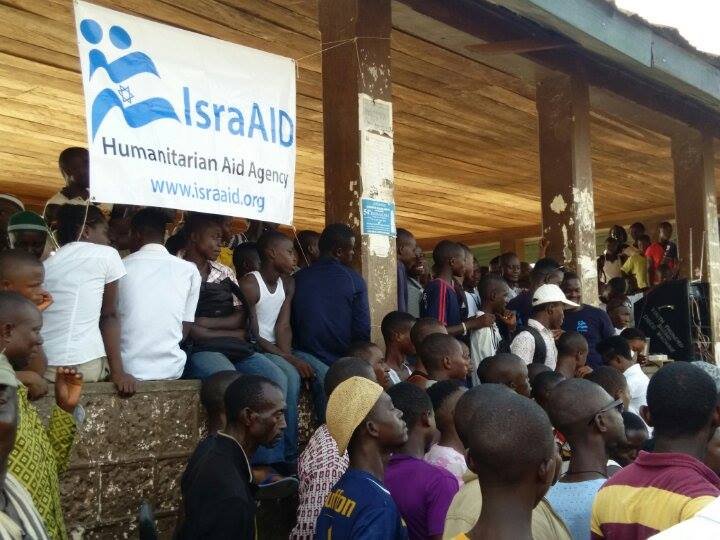
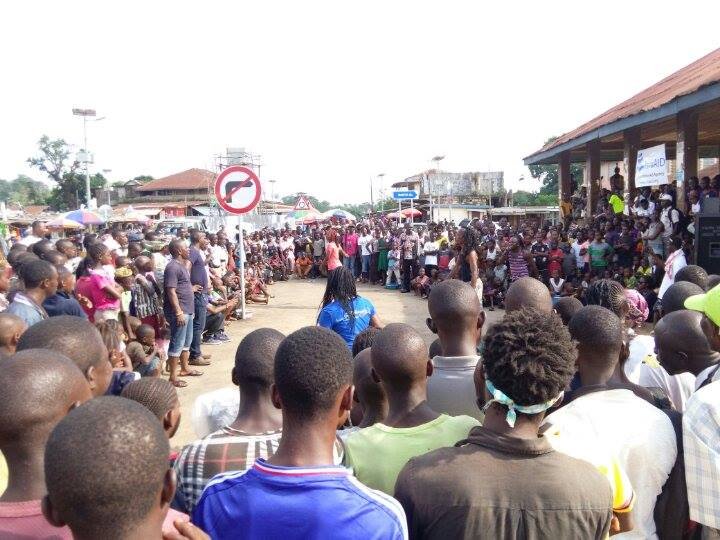
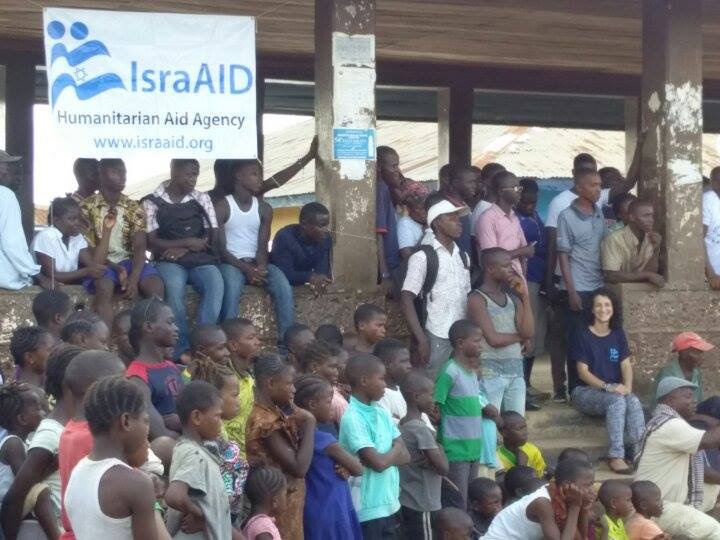
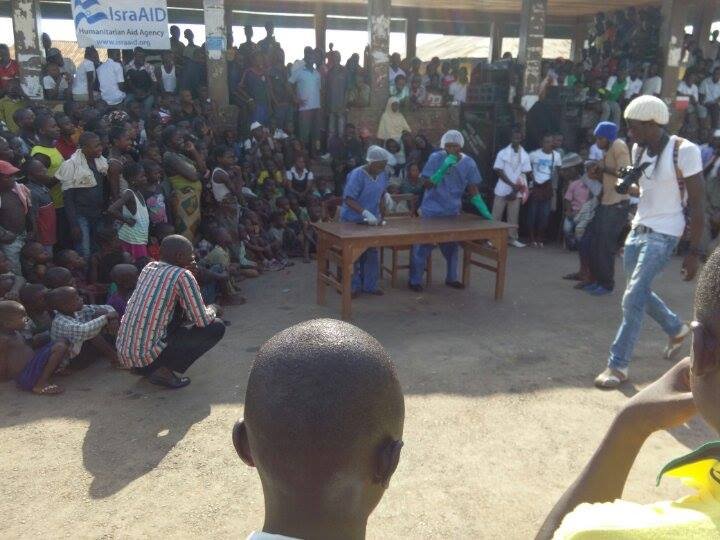
In spring 2014, the Ebola Virus Disease Epidemic (EVD)spread across West Africa into Sierra Leone. It killed over 3,500 individuals in Sierra Leone alone and left about 3,500 survivors in its wake. Amidst the Ebola Virus Disease (EVD) outbreak, IsraAID’s mission in Sierra Leone launched in September 2014, when a preliminary needs assessment highlighted the gaps in mental health response being provided. Given their expertise in trauma and psychosocial support, IsraAID has subsequently offered a range of programming striving to mitigate the implications of EVD on stress, trauma, and social stigmatization and marginalization on survivors, frontline workers, and other communities impacted by the EVD epidemic.
IsraAID has undertaken a range of projects working with international NGOs, local NGOs, and International Organizations these include, the United Nations Development Programme, the United Nations Children's Emergency Fund, GOAL, Forah Bay College, EHealth Africa, COOPI, Save the Children, International Medical Corps, Njala University, SHADE, Concern Worldwide, CAPS, Sierra Leone Association of Ebola Survivors, and others. IsraAID’s efforts in Sierra Leone have and continue to respond to the emerging mental health and psychosocial needs of the Sierra Leonean people.
Upcoming Projects:
Following the successful realization of the Ebola Heroes project, IsraAID SL has been undergoing extensive program development and partnership building based on the evolving needs of Sierra Leoneans. With this next stage of programming, IsraAID is transitioning its focus from responding to those impacted by the EVD epidemic to longer-term development interventions. Evaluating the pressing needs on the ground, IsraAID identified gender programming as a key sector to continue to utilize and build upon its mental health and psychosocial capacity and expertise. Several projects have been developed, and new partnerships were formed with CARE Sierra Leone, Focus1000, Columbia University's Psychiatric Institute and Planting Partners. They include 1) Bold Response to Adolescent Pregnancy 2) Outreach, Screening, and Trauma Intervention (OSTI) for Women in Sierra Leone 3) Planting Partners, Sensitizing Teachers to Promote Conflict Resolution and 4) UNDP-IsraAID Provision of specialized mental health and rehabilitative care for EVD survivors.
Bold Response to Adolescent Pregnancy
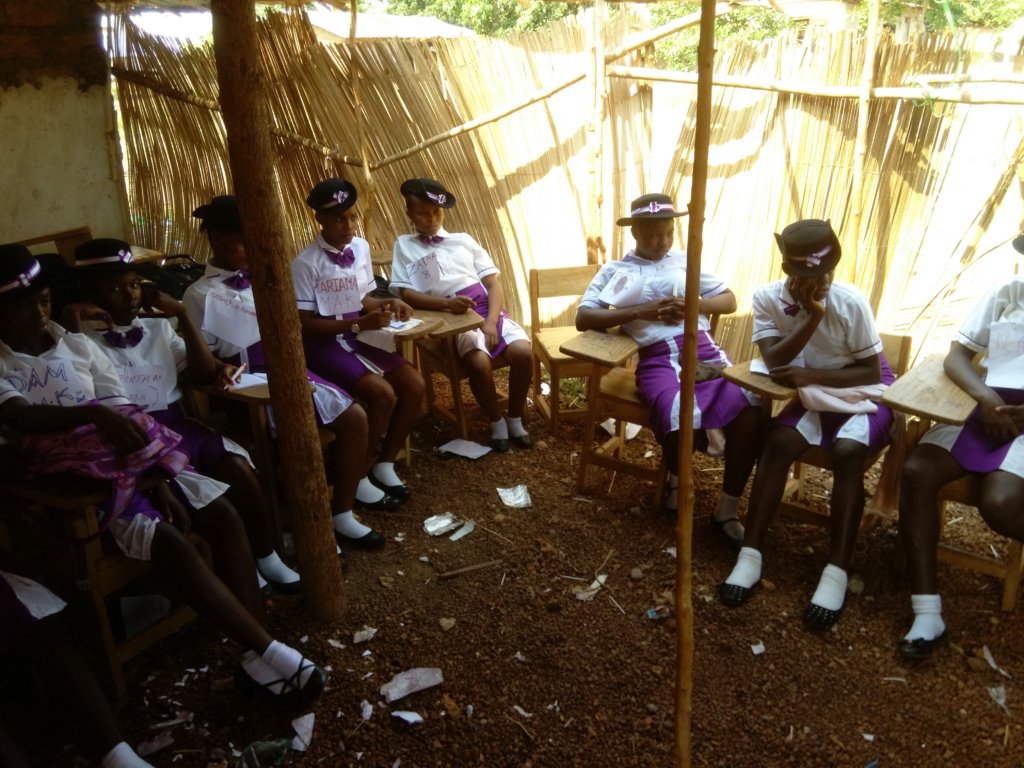
Sierra Leone has the highest rate of maternal/infant mortality globally. Over 28% of girls between 13-28 get pregnant. Following a Presidential decree in May 2015, once identified as pregnant, girls can not longer attend school. This project seeks to provide pregnant teens and young men with psychosocial support, reproductive health education, nutrition information and promote education/livelihood opportunities for them, enabling them to strive for better outcomes. Peer support groups will be held weekly led by a social worker, peer mentor, and nurse. Lessons will be bolstered through community health messaging using cellphone texting platforms. To ensure effective community engagement IsraAID has partnered with Focus1000, a local NGO with extensive community-based networks and CARE a global NGO focused on reproductive health and gender programming. IsraAID is actively seeking funding for a pilot of this initiative and will begin content development shortly.
Outreach, Screening, and Trauma Intervention (OSTI) for Women in Sierra Leone
In partnership with Columbia University’s Psychiatric Institute and Center for PTSD IsraAID is developing a multi-faceted project to a) adapt and culturally validate measures of common trauma-related mental disorders (PTSD; depression; generalized anxiety disorder); b) train and supervise personnel to provide a three step-care, personally tailored, integrated approach, ranging from outreach to adult traumatized women, to screening, and personalized treatment; and c) assess the effectiveness of the three step-care model and develop best practices; and d) create research capacity able to collect, manage and participate in data analyzes mental health data; and e) build mental health capacity nationally. Program planning and fundraising is underway.
Planting Promise, Sensitizing Teachers to Promote Conflict Resolution
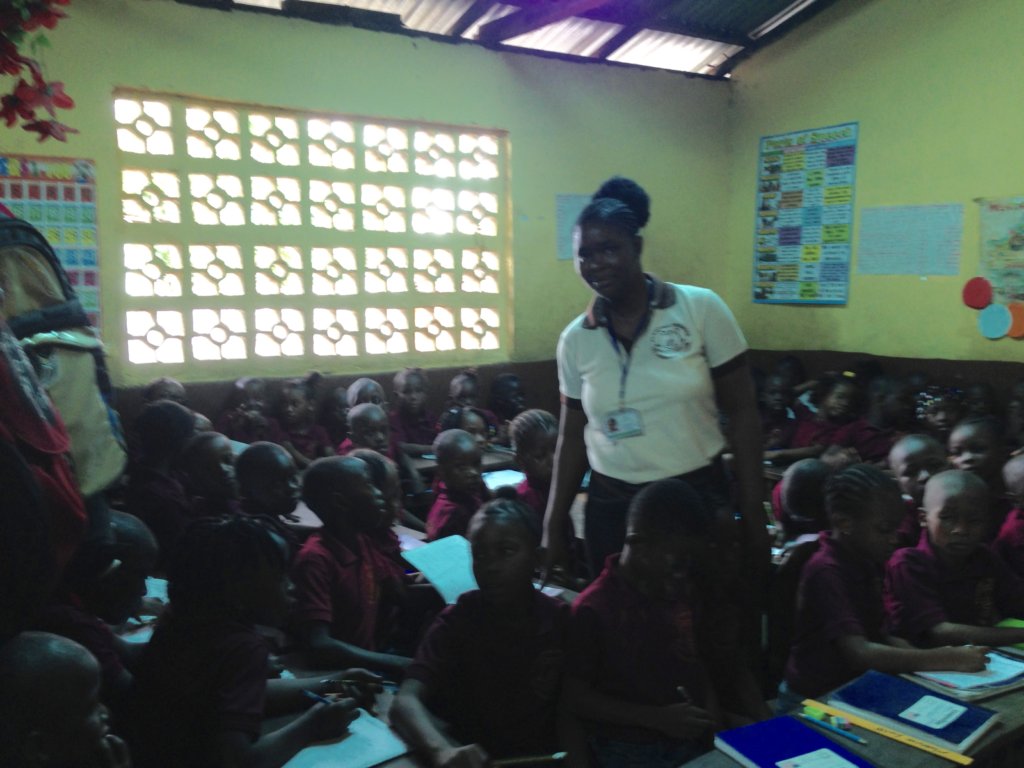
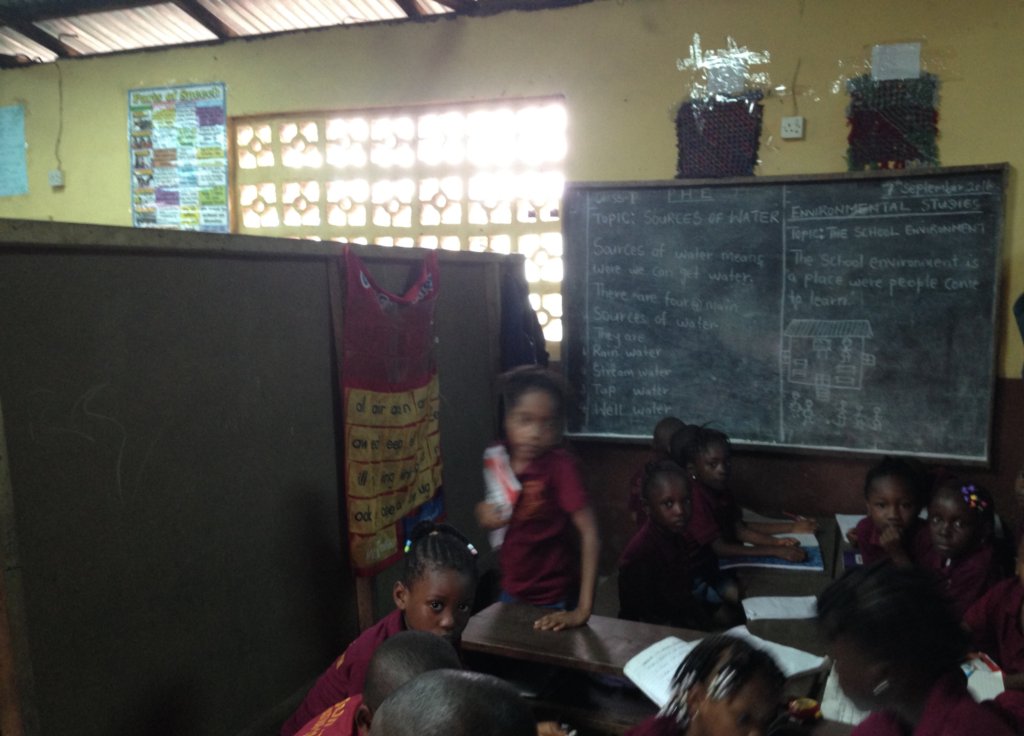
Throughout Sierra Leone corporal punishment is rampant. IsraAID has partnered with the NGO/Social enterprise, Planting Promise to develop and pilot a curriculum that will promote conflict resolution in classrooms and empower teachers to respond better to the emotional needs of their students. Through the tailoring of these materials and provision of training and supervision, IsraAID will validate and strengthen its content and pilot materials. Curriculum development and implementation beginning.
Provision of Specialized Mental Health and Rehabilitative care for Ebola survivors
This project seeks to integrate specialized clinical care for Ebola Virus Disease survivors into the current tertiary health care system. As an initial entry point, the project will seek to work within three government facilities in Western Area, Bombali, and Bo, striving to provide national coverage and promote greater sustainability. This year-long project aims to bring in three physical therapists/rehabilitation specialists and three psychiatrists/clinical psychologists to Sierra Leone. The specialists will provide both in-country and telemedicine remote care throughout the year. The schedule for specialist support will comprise of alternating periods with in-country direct support, followed by remote telemedicine support.
As Sierra Leone continues to rebuild in the wake of the Ebola epidemic, IsraAID is uniquely positioned to respond to the most pressing national mental health needs, those of- women, children, and adolescents. These projects strive to lend support to vulnerable population and build national capacity for mental health treatment and research.
By Michele Bornstein | Country Director Sierra Leone
By Yeshaya Amichai | Ebola Heroes Program Manager
Project reports on GlobalGiving are posted directly to globalgiving.org by Project Leaders as they are completed, generally every 3-4 months. To protect the integrity of these documents, GlobalGiving does not alter them; therefore you may find some language or formatting issues.
If you donate to this project or have donated to this project, you can receive an email when this project posts a report. You can also subscribe for reports without donating.