By Andra Weissberger | Sierra Leone Country Director
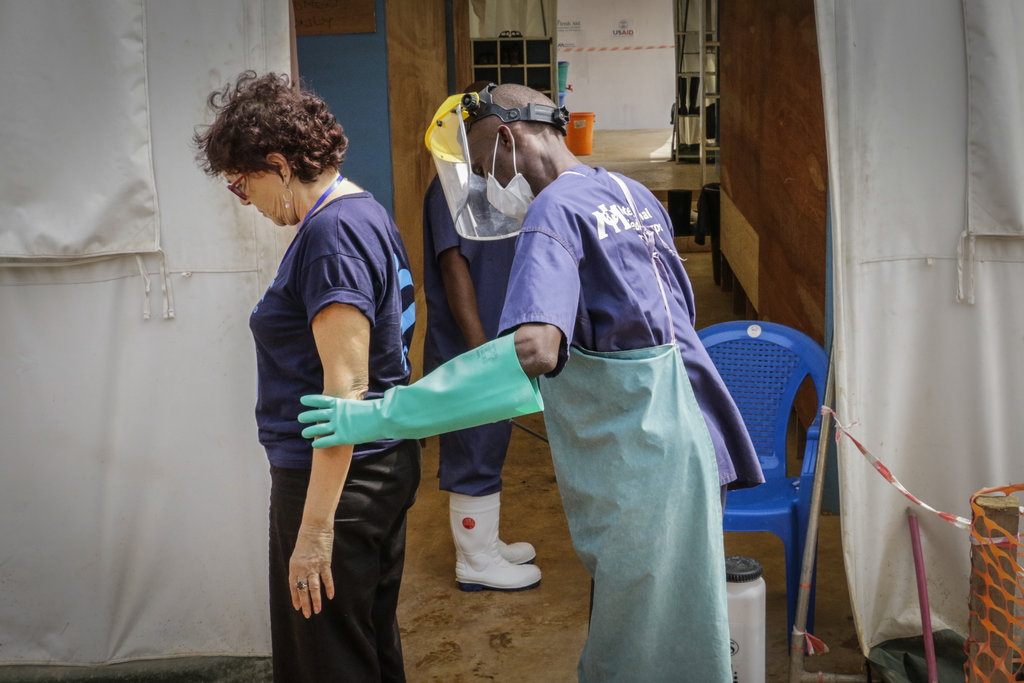
IsraAID began its mission in Sierra Leone in September 2014 in response to the deadly outbreak of Ebola Virus Disease (EVD). A preliminary needs assessment highlighted gaps in the psychosocial response to EVD, the vast majority of national and international resources having been dedicated to emergency medical interventions. EVD impacts not only those infected by the disease, but their families and communities, as well as the front-line service providers; the effects are not solely medical but have wider implications for stress, trauma and social stigmatisation and marginalisation.
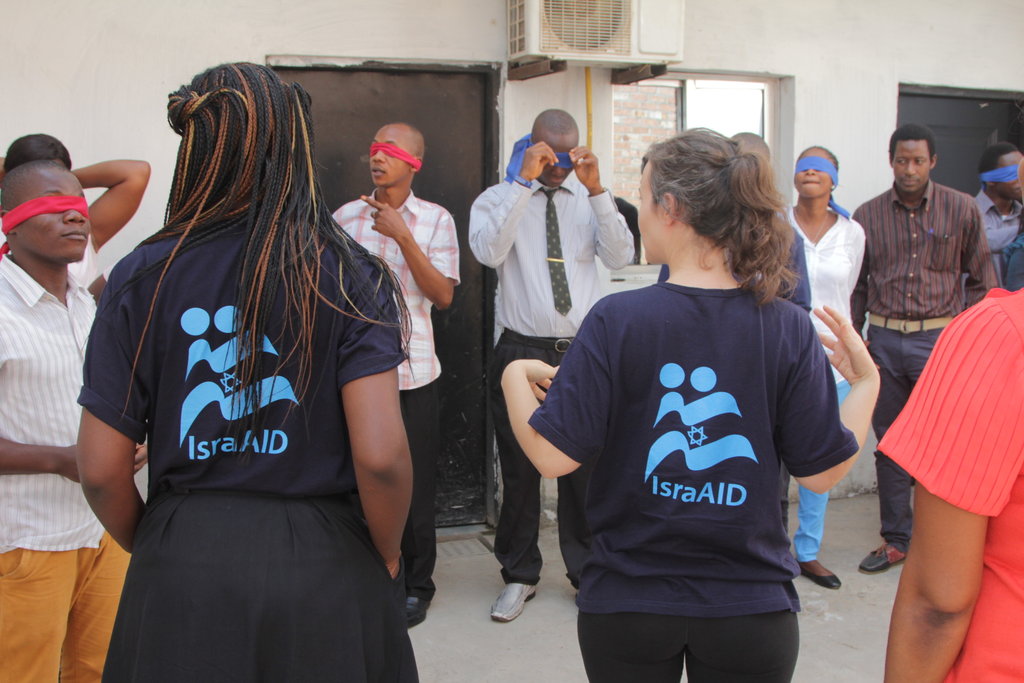
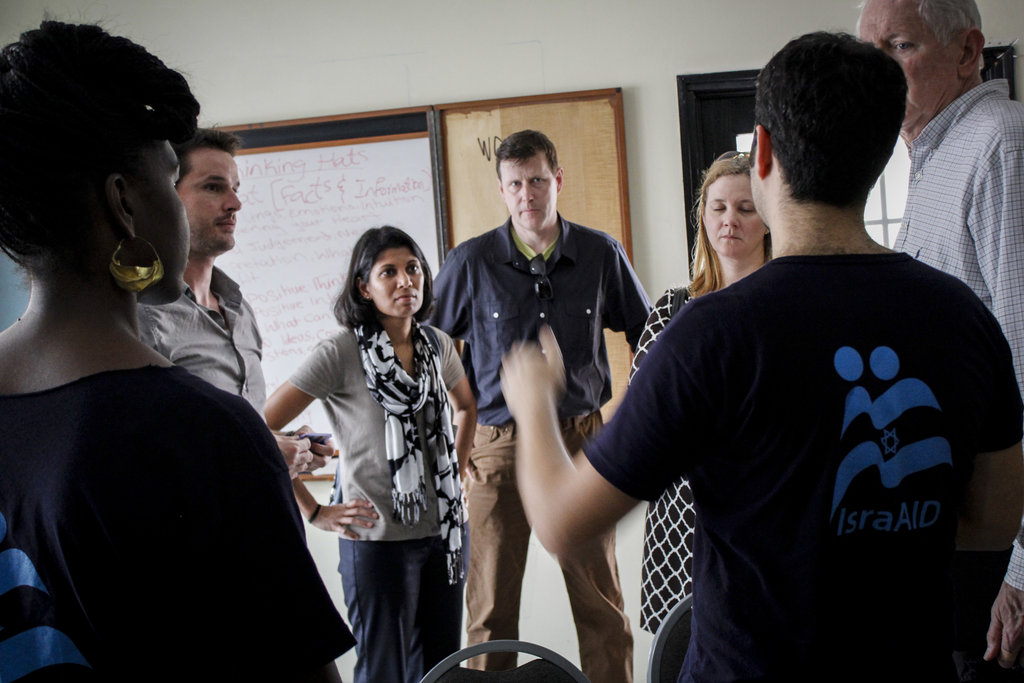
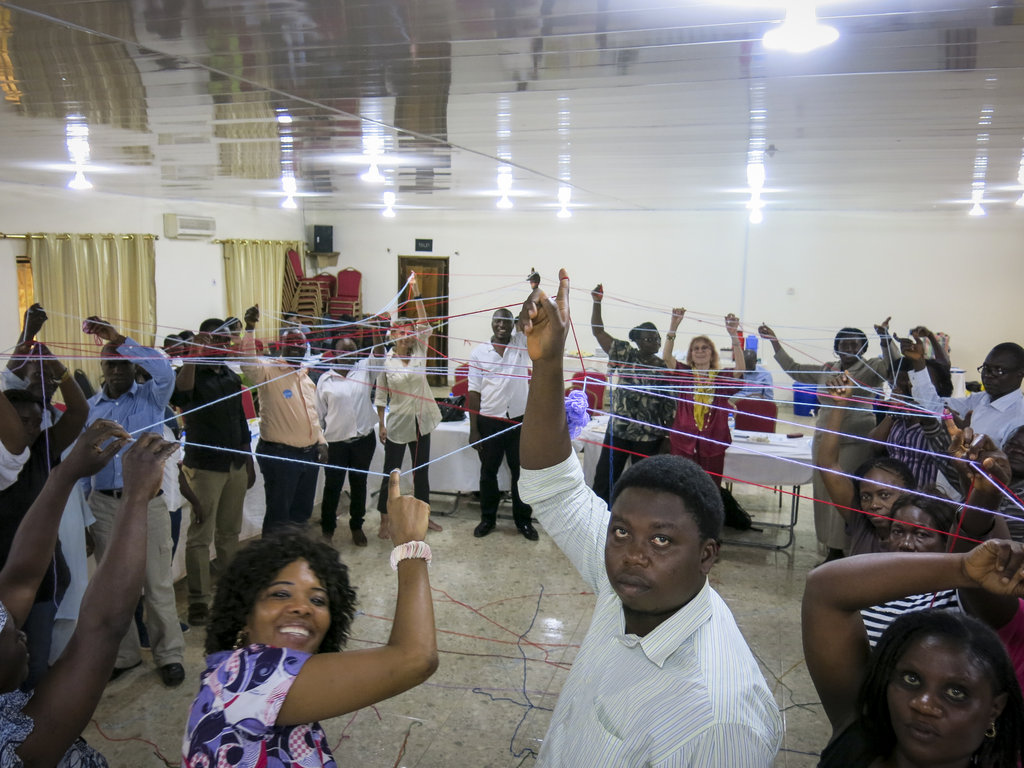
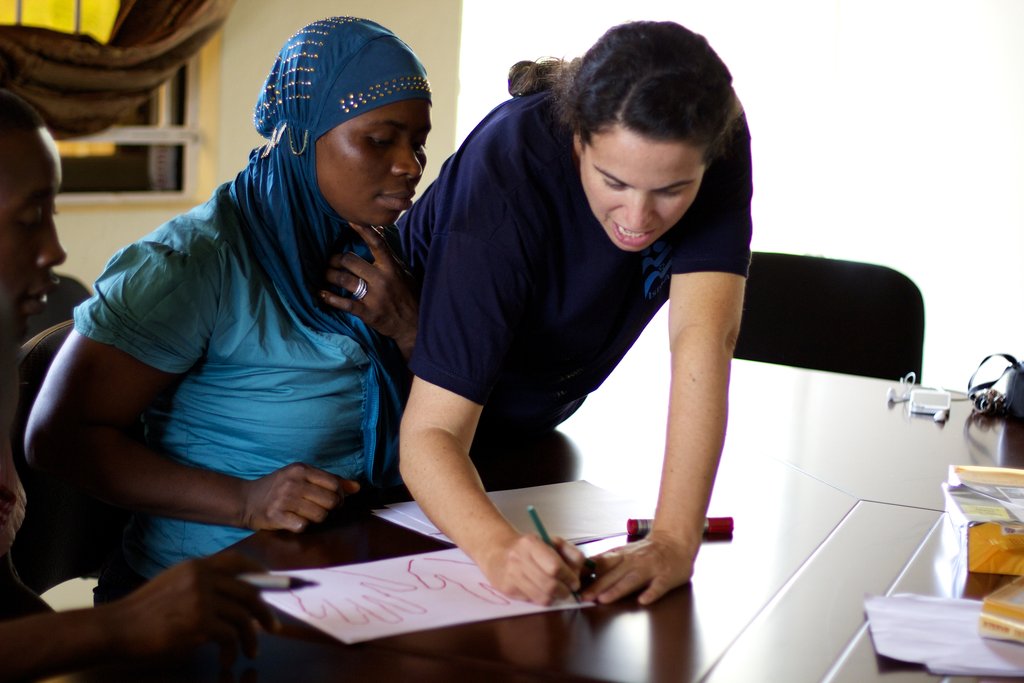
IsraAID has positioned itself, with the overwhelming support of the OFL, national and international actors as the leading agency for MHPSS, PSS training and support, bringing in expatriate expertise in a wide range of specialisations including psychotherapy, psychology, social work, child trauma, art therapy, movement therapy and group facilitation experts.
As Sierra Leone moved toward recovery and post Ebola projects IsraAID IsraAID developed projects in the mental health and psychosocial support sector focusing to the issues of those who had been marginalized such as frontline workers. Additionally, a pilot internship programme with students from the school of Social work at Fourah Bay College in alternative therapies and group facilitation is ongoing. All of our programming is designed in-line with the approved PFA guidebook promoted by MSWGCA with a view to strengthening governmental initiatives and promoting local capacity building. All of the knowledge and experience IsraAID brings to Sierra Leone has allowed us to be part of the development of important protocols and documents including the Survivor Service Packages and the MHPSS Strategy.
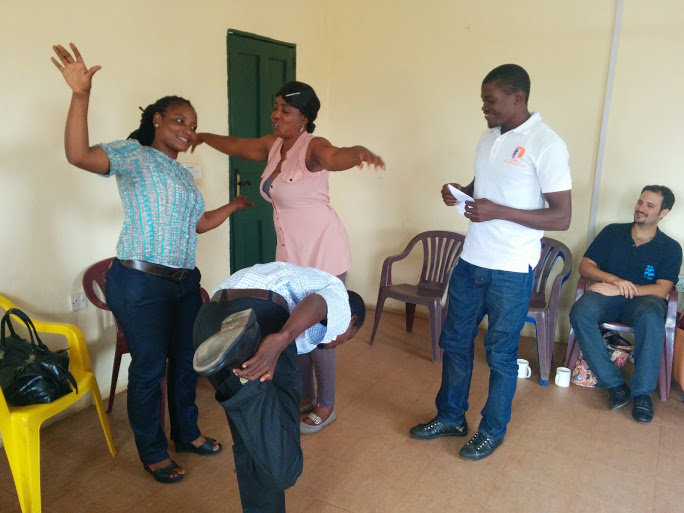
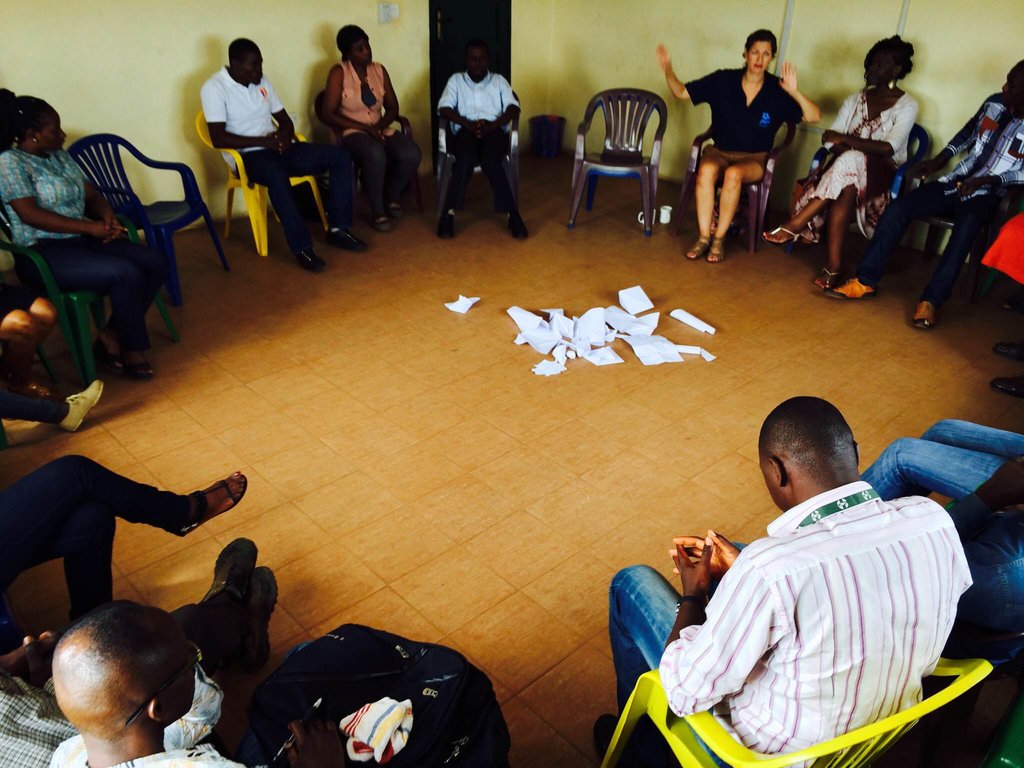
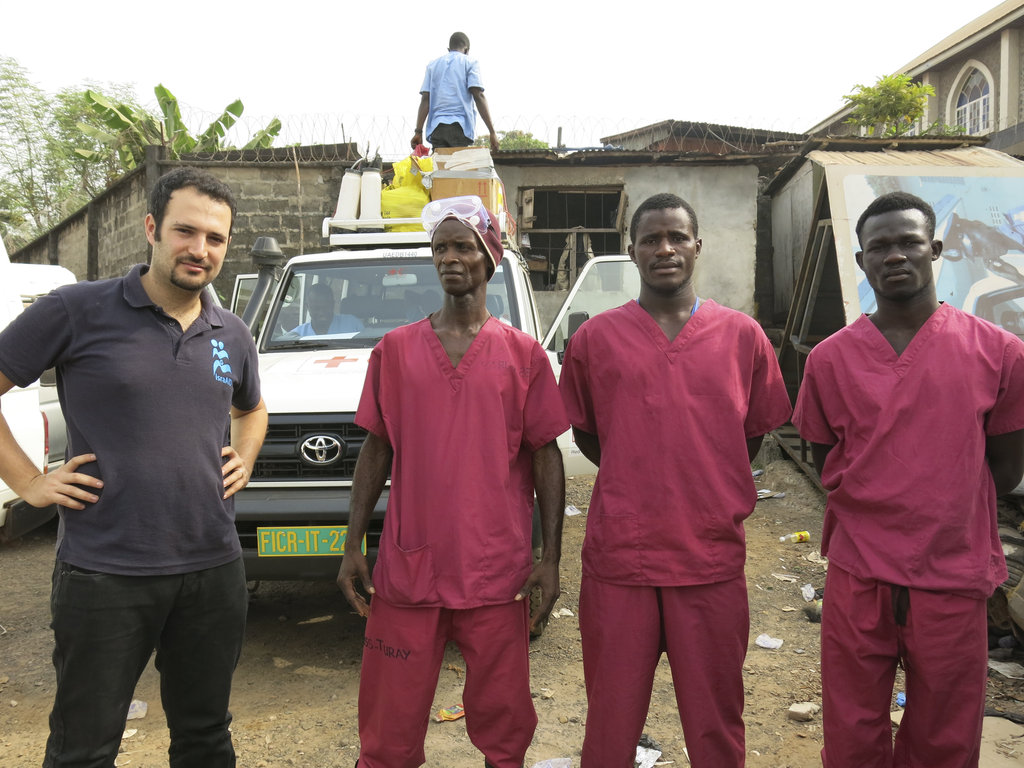
IsraAID Sierra Leone engaged 175 Ebola frontline workers, including nurses, community mobilisers, 117 operators, burial teams, cemetery workers, hygienists, health promoters, and social workers in 7 communities across Western Area District. On the 2nd of December 2015, we concluded the ‘Ebola Heores’ project with the final stigma reduction event in the community of Calabatown in Western Area, Sierra Leone. This event capped off 4 months of narrative therapy interviews with Ebola frontline workers, in which we collected stories of trauma, discrimination, and ostracisation, and 4 weeks of educational stigma-reduction activities in communities with large numbers of frontline workers.
The high levels of attendance and engagement during the community events are a testament to their success in educating people about Ebola, thereby reducing stigma against survivors and frontline workers. It must be noted however that these benefits are limited to those who attended the events, and the lack of deeper engagement has lead to the conception of a second phase more focused on community engagement and healing.
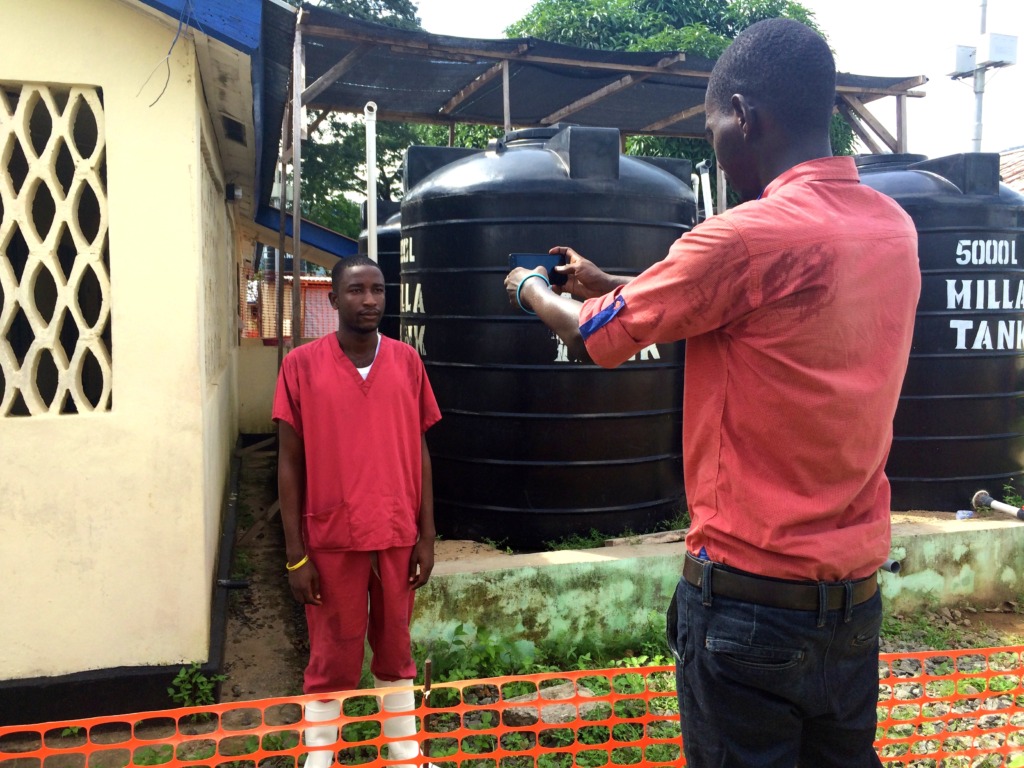
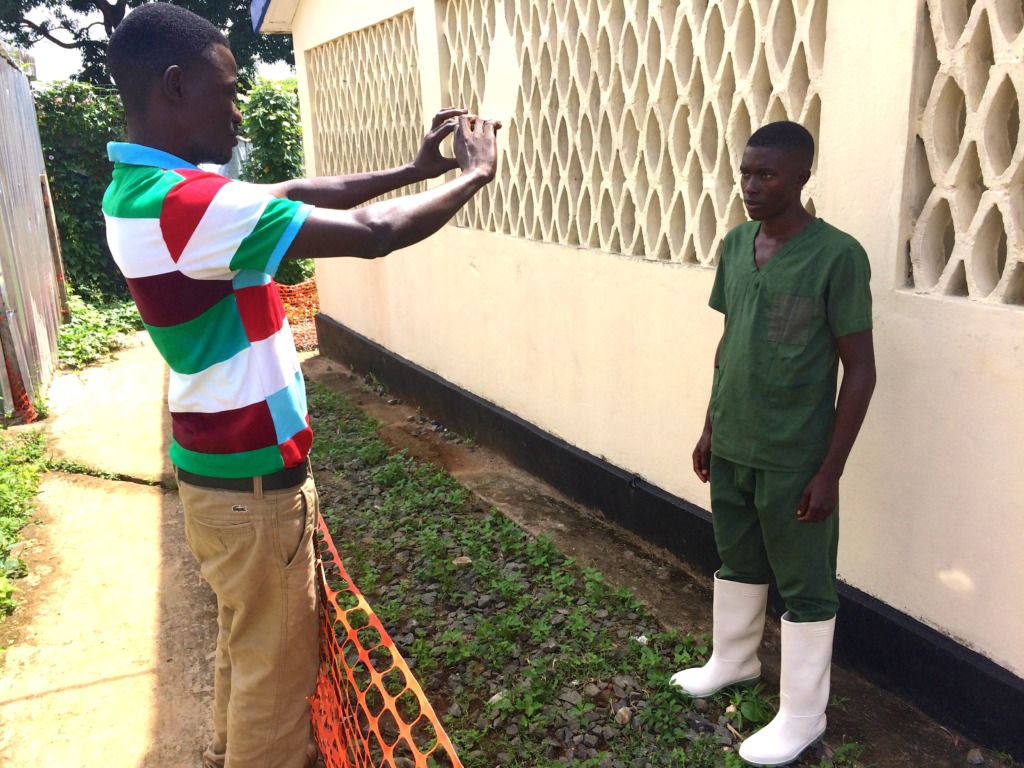
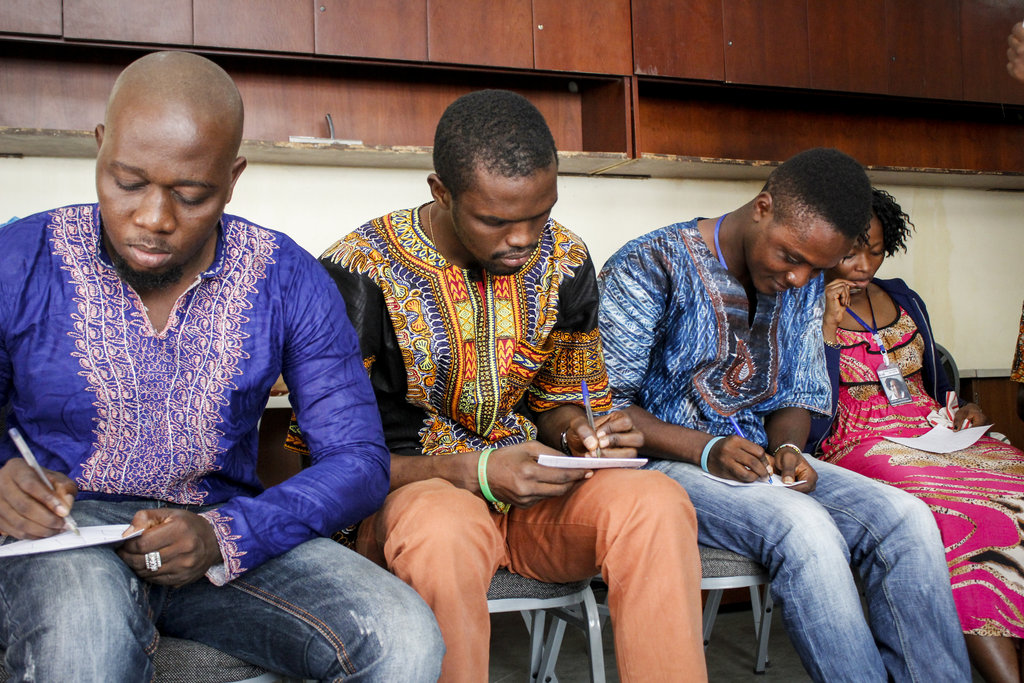
Five IsraAID Field Officers, all graduating social work students who previously interned with the organisation, conducted narrative therapy interviews with 175 Ebola frontline workers. They were given a set of pre-determined questions to administer to participants, and they were trained and supervised by technical advisors from IsraAID. They were also given a short photography course and access to a professional camera in order to capture portraits of the participants to be printed as tokens for the participants to keep. The interviews were conducted in the workplaces of the participating forntline workers e.g. cemeteries and hospitals. The Field Officers initially contacted frontline workers through their contacts as prominent members of their own communities in Western Area. As this became unsustainable, particularly because many frontline workers needed permission from their organisation before participating, the Project Manager made contacts with high-level management to organise further interviews.
One of the Field Officers shared his experience:
"When doing Narrative Therapeutic Interviews with frontline workers it was challenging on one hand and encouraging on the other hand. During our interview with the frontline workers that we were opportune to interview we came to the realization that most of them were traumatize because of the stigmatization that they were facing on a daily bases. As a result of that some of them were blaming themselves for all what they were going through. As field officers during our Narrative therapeutic interviews with them we tried to validate their experience and made them to realize their heroic deeds even though it was not an easy task. Also during our community events we were able to sensitize the community people about the impact of stigmatization on the frontline workers and the importance of acceptance and inclusion. During the events we made a clear explanation of the deadly sacrifices made by the frontline workers; also that the frontline workers are not responsible for the outbreak so they should not be stigmatize against. Most people who participated in the event noted that they were not aware of the efforts that these frontline workers have made in eliminating the virus from the country but now that they are aware they sure to accept them in their community. Finally, some of the frontline workers that we interviewed called and appreciated our services and explained that the techniques that we used were helpful to them whenever they get stress."
During the process of interviewing the frontline workers the IsraAID team laid the groundwork for community events which would consist of a short play highlighting the stories and experiences of the frontline workers in their communities, which would be based on actual interviews. In order to organise the community events, the Project Manager, along with the lead Field Officers and representatives from the Freetong Players theatre troupe, visited 9 communities in Western Area with high numbers of frontline workers living and working in them to do a mapping. We met with community leaders, including Chiefs, counsellors, and Youth Chairmen, and introduced IsraAID and the Ebola Heroes project. All of the leaders were enthusiastic to participate, but we ultimately decided on 7 communities based on the existence of a vibrant, central meeting area in which we could conduct the events. We also scouted locations for the events, settling on open fields and market places rather than community centres because they were more inclusive and likely to attract a larger and more diverse crowd of people. In order to truly engage the community it was important to go to them where they would commonly gather.
One story of an interview with a nurse is as follows:
"I am Nurse by qualification. During the Ebola outbreak I was one of the 36 Nurses trained by Red Cross to go to the field and fight against the outbreak. After the training only six of us went to the field to do the work, the thirty did not agree to go. I was first posted in Kailahun District where I was working with the late Doctor Khan. My family abandon me for accepting to go to Kailahun district. But with all the family and community stigmatization I received I never decline from being a working Nurse, I took an oath. When the Ebola situation become worst I was transferred to Kenema hospital that was hosting the highest amount of patient, where I was made the welfare Nurse of the hospital. During my work in the hospital I contacted the virus, which made me to be laid off and sent for treatment by Red Cross. I was totally barred from returning home by my husband, family and other community members. Fortunately for me, I got healed and return to work at the hospital. By the end of 2014 I was transferred to Kono District hospital where I worked for some time and finally transferred to Freetown Hasting Treatment Center but as a nurse for the Ebola quarantine home."
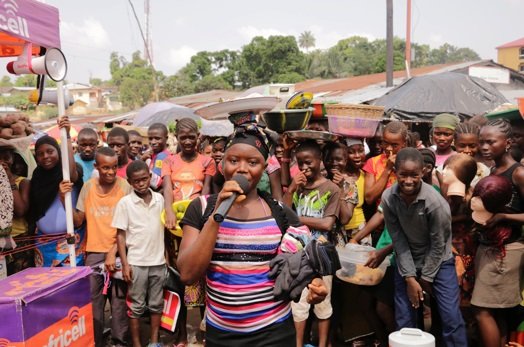
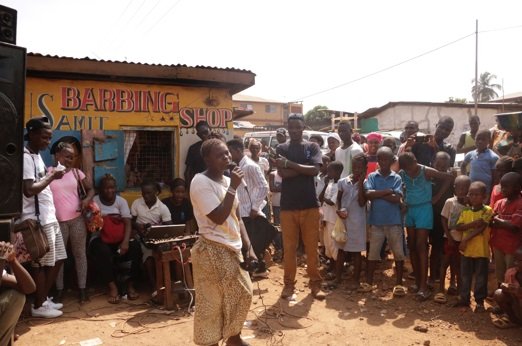
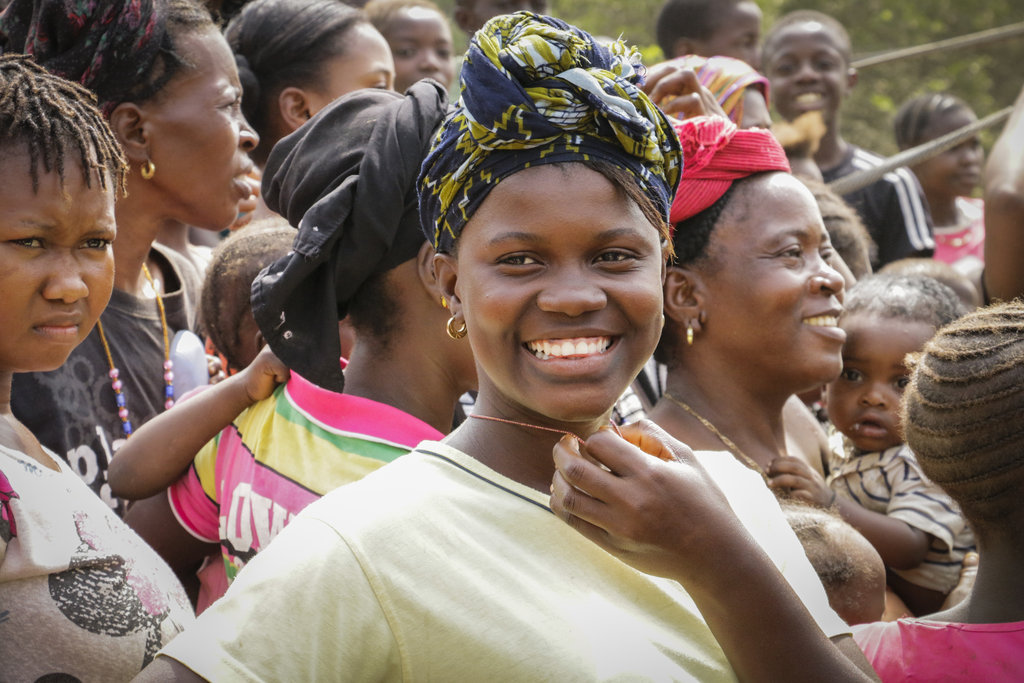
The events took place in 7 communities in Western Area, including Eastern Police, Rokel, Waterloo, Godridge, Kissy, Wellington, and Calabatown. They went for approximately 4 hours, including initial music to attract crowds, song and dance performances with a message about loving each other and national pride by Freetong Players, a skit aimed at reducing stigma developed in partnership with IsraAID and Freetong, and a question and answer session facilitated by the Field Officers. All of the events can be described as a success, with crowds of over 100 people in attendance, and high levels of audience participation and engagement as observed by the Field Officers and the Project Manager. All of the questions and comments from community members at the conclusion of the events were positive towards the role of frontntline workers in the fight against Ebola, and reinforced the need for community cohesion. Many community members recognized the need to reintegrate and include those who had been pushed out and were willing to openly say they had not done enough to include them.
Here is an account of one community event where a frontline worker attended as told by an IsraAID Field Officer. During our community event in Rokel for frontline workers, one participant who was working as a Community sensitization volunteer was impressed with our program. When given the opportunity to share his experience “he noted that he is really amazed with the Ebola Heroes Community Event” he explained to the public the challenges he had gone through as a frontline worker who was doing community sensitization work. According to him there were times when he was chased, stone and even driven away from his community. He was very happy and pleased with the program and noted in his final statement that “this are the types of programs he is expecting the government to embark on”. The program focus was mainly on community acceptance and inclusion of frontline workers who have been stigmatize against.
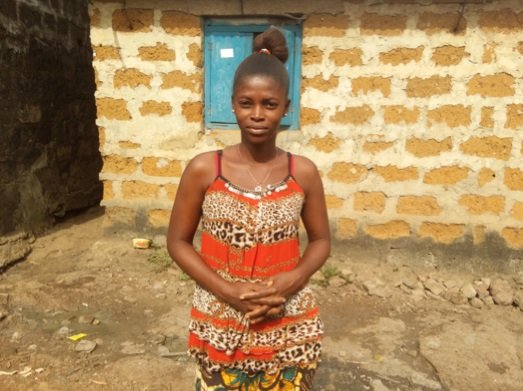
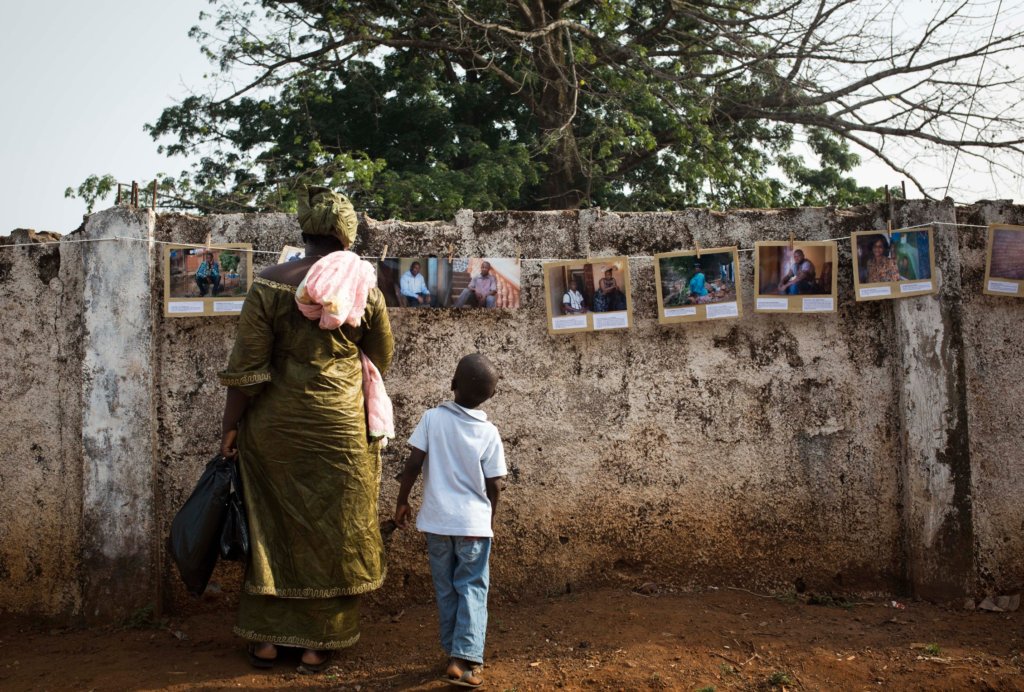
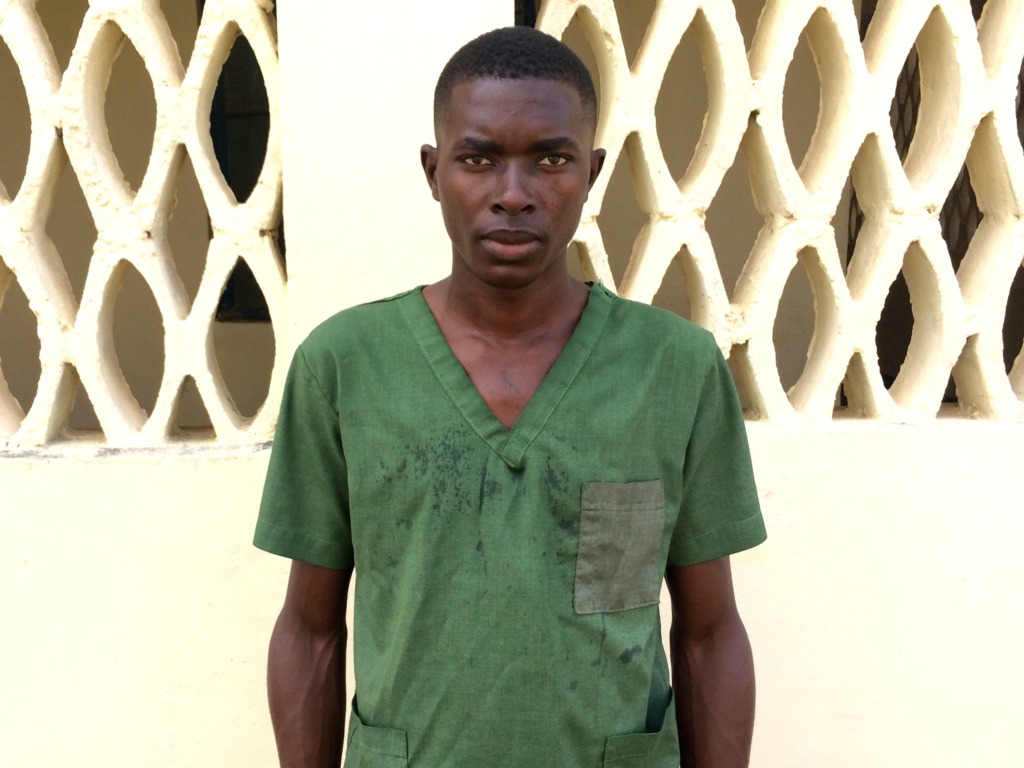
A major component of Ebola Heroes was to provide an outlet for the frontline workers to share their stories but also to listen. They are a group that has been largely marginalized by their communities and their voices were not being heard. They were not being noticed or recognized for their heroism during the fight against Ebola. In order to recognize them IsraAID provided each participant with a portrait taken of them, which was printed as a postcard along with a quote from their interview. These postcards were distributed to them as keepsakes to remember the vital role they played in the fight against Ebola.
The stories collected through the narrative interviews were recorded, transcribed into English, and edited for publication. They will be uploaded onto the Ebola Heroes website, which will act as an online archive for academics, journalists, and other interested parties. As agreed upon in the consent forms, each story will be uploaded along with a portrait of the participant and an audio recording of the interview. The stories and photos will also be given to the National Ebola Museum housed at Njala University.
There were many lessons to be learned from the first phase of the Ebola Heroes project. The first phase of the project and its outcomes have helped to inform the development of a second phase which will be community based.
The continuation of this project would benefit from further empowerment of the Field Officers. Rather than projects being designed in a top down manner, the Field Officers are perhaps in the best position to design projects as they are integrated in the cultural context in which we are working, and have the tools to better address the needs of the community. It is important to have a Project Manager to coordinate the inevitable bureaucratic and organisational issues, but the professional aspect of the project can, with supervision, be designed and undertaken by the Field Officers.
One valuable piece of advice for future community events is to host them in fields and market places rather than community centres. During the community mapping process, it became evident that community centres are seen as elite and exclusive places where many average members of the community would not feel comfortable venturing. If the aim of an event is to reach as many people as possible in the community and ensure a diverse audience, the best locations are fields and market places with high foot traffic. It is also important to visit the location at the time of day you hope to have the event to make sure it is crowded at that time, because crowds fluctuate at different times from community to community.
Finally it is imperative to include the community in the entire process. Through the community events it became evident that the community had its own story and healing that it needed to do. At each event it became more and more evident that the communities wanted to be engaged in this process and wanted their voices to be heard as well. They had also suffered tremendously.
For more information please visit www.ebolaheroes.com
By Hannah Sharron | Sierra Leone Ebola Heroes Program Manager
By Andra Weissberger | Deputy Country Director
Project reports on GlobalGiving are posted directly to globalgiving.org by Project Leaders as they are completed, generally every 3-4 months. To protect the integrity of these documents, GlobalGiving does not alter them; therefore you may find some language or formatting issues.
If you donate to this project or have donated to this project, you can receive an email when this project posts a report. You can also subscribe for reports without donating.